

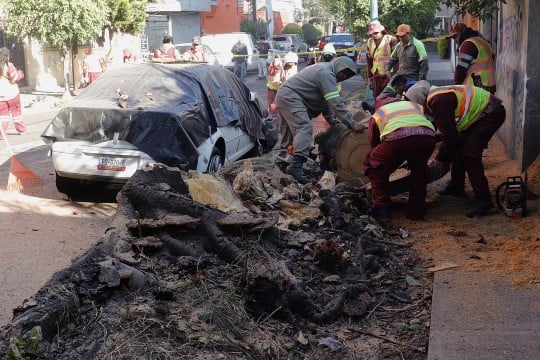
A powerful magnitude 6.5 earthquake struck Mexico, sending tremors across a wide region and prompting emergency alerts as authorities assessed potential damage and injuries.
The earthquake occurred at moderate depth, according to seismic monitoring agencies, and was felt in several states, causing buildings to sway and residents to rush outdoors. Initial reports indicated strong shaking in urban areas near the epicenter, while lighter tremors were felt hundreds of kilometers away.
Mexico’s national civil protection agency said emergency protocols were activated shortly after the quake. Local authorities began inspections of infrastructure, including roads, bridges, hospitals, and public buildings, to determine whether structural damage had occurred. At least temporarily, some public services were disrupted as precautionary measures were put in place.
Residents described moments of fear as the ground shook unexpectedly. In some areas, power outages were reported, while mobile phone alerts warned people to stay away from damaged structures and be prepared for aftershocks. Emergency sirens were activated in certain cities, reflecting Mexico’s extensive earthquake preparedness systems developed after decades of seismic activity.
So far, there have been no immediate reports of widespread casualties, though officials cautioned that damage assessments were still ongoing. Authorities urged the public to remain calm, follow official guidance, and avoid spreading unverified information while rescue teams continued their work.
Mexico sits along the Pacific “Ring of Fire,” a seismically active zone where tectonic plates frequently shift, making earthquakes a recurring threat. As a result, the country has invested heavily in early warning systems, public drills, and emergency response planning. Experts say these measures have helped reduce casualties in recent years, even during strong earthquakes.
Seismologists warned that aftershocks are likely in the hours or days following the main quake. While most aftershocks are weaker, they can still pose risks, particularly to buildings already weakened by the initial shaking. Authorities advised residents to inspect their homes for cracks, gas leaks, or other hazards before re-entering.
In major cities, schools and government offices temporarily paused operations as safety checks were carried out. Transportation officials monitored rail lines and highways for damage, while hospitals confirmed they were prepared to handle potential injuries.
The earthquake has once again highlighted Mexico’s vulnerability to seismic events and the importance of preparedness. Disaster response officials reiterated that knowing evacuation routes, emergency contacts, and basic safety procedures can make a critical difference when strong earthquakes strike without warning.
As officials continue to gather information, further updates are expected regarding damage assessments, aftershock activity, and any emergency measures. For now, authorities are urging residents to remain vigilant and stay informed through official channels.
Watch video below :


