

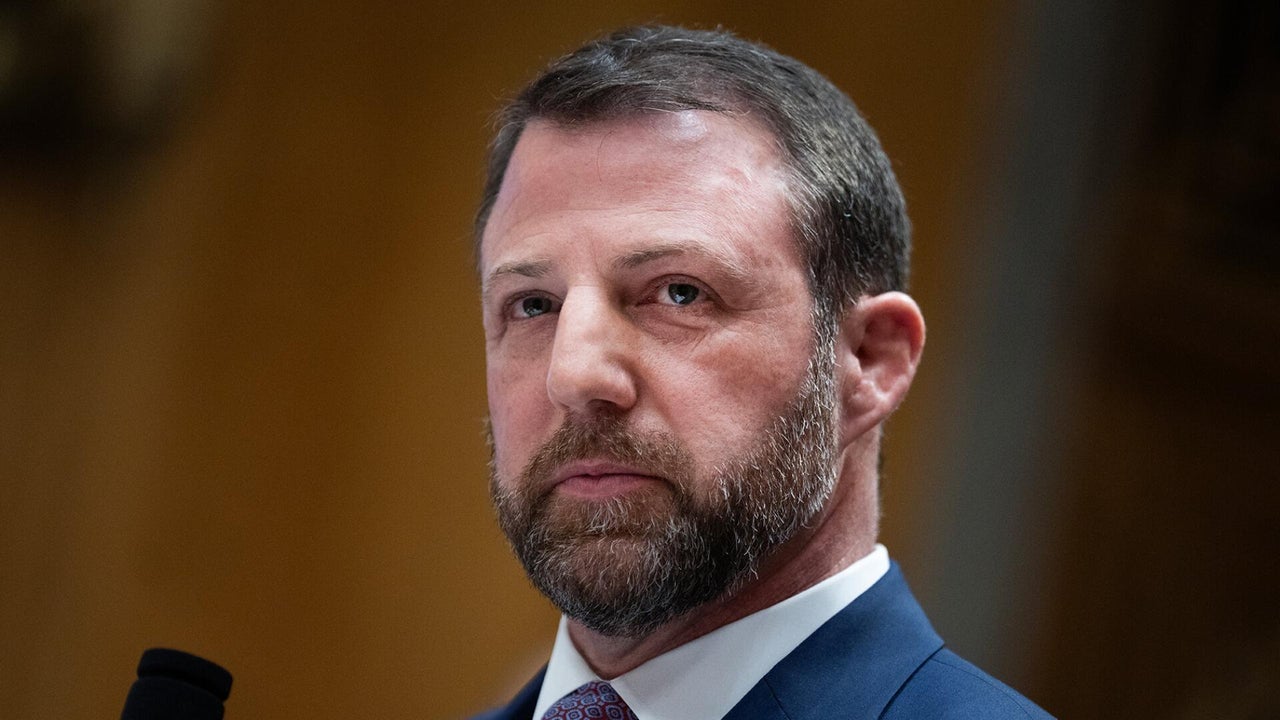
The United States Senate has confirmed Oklahoma Senator Markwayne Mullin as the new head of the Department of Homeland Security (DHS), marking a significant leadership change at one of the most powerful security agencies in the country. The confirmation vote, reported to be 54–45, reflects strong political divisions but ultimately secures Mullin’s position in President Donald Trump’s cabinet.
Mullin replaces Kristi Noem, who previously led the agency but was reassigned following mounting criticism over immigration enforcement strategies and internal management controversies. The leadership transition comes at a time when DHS faces intense scrutiny over border control operations, national security preparedness, and policy direction regarding immigration enforcement.
The Department of Homeland Security is responsible for a wide range of national security functions, including counterterrorism, border protection, cybersecurity defense, and disaster response coordination. Major agencies under DHS include Immigration and Customs Enforcement (ICE), the Transportation Security Administration (TSA), the Federal Emergency Management Agency (FEMA), and the U.S. Secret Service.
Mullin, a Republican senator from Oklahoma and former member of the U.S. House of Representatives, has been closely aligned with Trump’s policy priorities, particularly in areas related to immigration control and border security. His appointment signals continuity in the administration’s broader national security agenda, while also raising questions about possible policy adjustments aimed at addressing public criticism of enforcement tactics.
Political analysts note that Mullin assumes leadership during a particularly challenging period for DHS, including funding disputes in Congress and operational pressures affecting airport security staffing and immigration enforcement resources. Some lawmakers have called for reforms to agency procedures, particularly regarding the use of enforcement powers and accountability standards for federal officers.
Supporters argue that Mullin’s experience in Congress and his alignment with executive priorities could allow for more streamlined coordination between the White House and federal agencies responsible for homeland security. Critics, however, point to his combative political style and past controversies as potential obstacles to bipartisan cooperation.
The confirmation also creates political ripple effects in Oklahoma, where state officials are now expected to appoint an interim replacement for Mullin’s Senate seat. This development could influence upcoming election dynamics and reshape political balance in the region.
As the new Secretary of Homeland Security prepares to assume office, policymakers and security experts will closely monitor how leadership changes affect U.S. immigration policy, national security strategy, and interagency coordination. The direction Mullin takes could play a key role in shaping federal responses to both domestic and international security challenges in the coming years.
Watch video below :