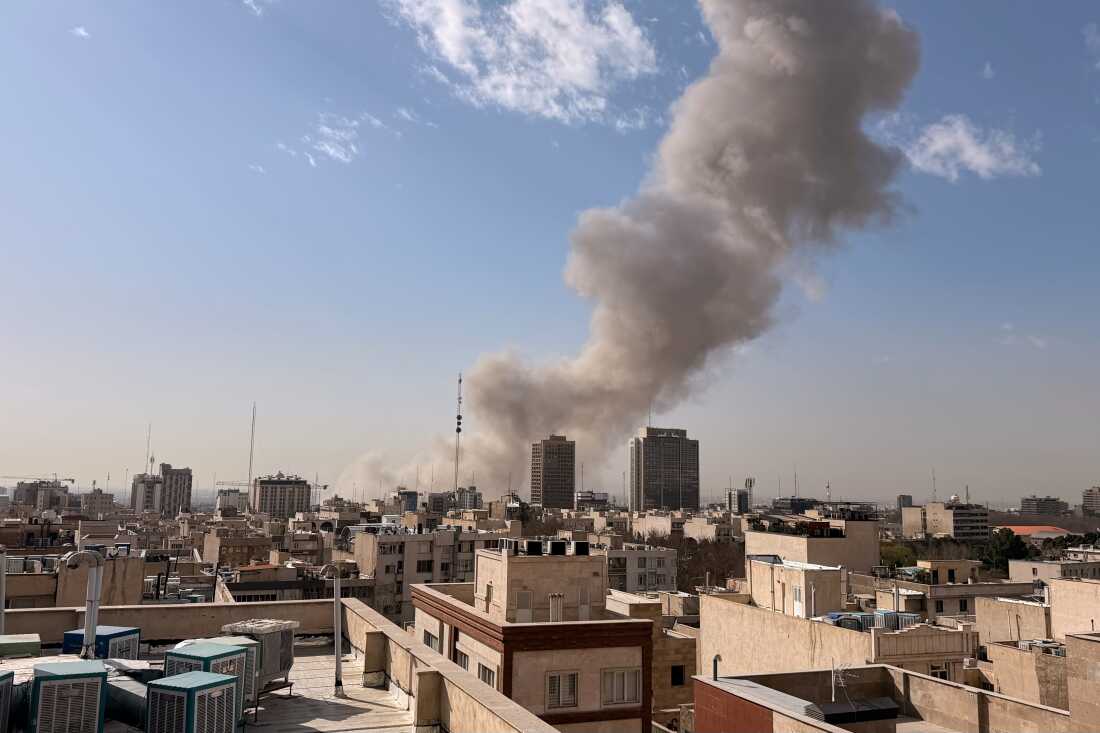


Global energy markets are bracing for significant price increases in both oil and gas after a U.S. strike on Iran triggered heightened geopolitical tensions and disrupted critical energy links, analysts say. The conflict has already pushed crude prices sharply higher, with experts warning that continued instability could ripple across economies and consumer fuel costs worldwide.
The initial market reaction has been swift. Brent crude prices have climbed approximately 10%, reaching around $80 per barrel in over-the-counter trading, with predictions that prices could exceed $100 per barrel if disruptions persist — a level not seen in years.
The central concern for global markets is the Strait of Hormuz, a narrow but vital maritime chokepoint through which about one-fifth of the world’s oil and significant volumes of liquefied natural gas (LNG) pass each day. Military action, retaliatory strikes, and regional instability have led tanker operators and major energy firms to avoid the area, tightening already fragile supply chains.
“The key factor here is potential closure or reduced traffic through the Strait of Hormuz,” energy analysts noted. This risk has incentivized traders to bid up prices, factoring in a geopolitical risk premium as markets reassess potential supply shortfalls.
A prolonged disruption could have extensive effects beyond crude oil benchmarks. Natural gas markets are also vulnerable, especially for Asian and European economies that depend on Gulf energy shipments. Analysts from major financial institutions are already revising forecasts to reflect heightened risks, expecting broader commodity price pressures.
In the United States, gasoline prices are expected to climb at the pump. With crude costs rising, analysts warn that average U.S. gas prices could exceed $3.00 per gallon — the highest in several months — potentially reversing recent declines and adding inflationary pressure to consumer budgets.
For many countries, particularly in Europe and Asia, energy price hikes could strain fragile economies. Higher fuel costs often translate into increased transportation and goods prices, feeding into broader inflation and potentially forcing central banks to adjust monetary policy to counter rising living costs.
OPEC+ producers have responded to market instability by agreeing on modest production increases, but most analysts say this effort is unlikely to fully compensate for potential supply bottlenecks created by the conflict and tanker avoidance in the Gulf region.
While some market commentators urge caution, noting that prices may stabilize if shipping lanes remain open and regional tensions ease, many believe that continued conflict will sustain higher prices — at least in the short to medium term.
As geopolitical risks mount, investors and industries alike are watching energy markets closely. With crude and gas prices on the rise, consumers may soon feel the effects at the pump and on household energy bills, underscoring how closely global security developments are tied to everyday economic realities.
Watch video below :