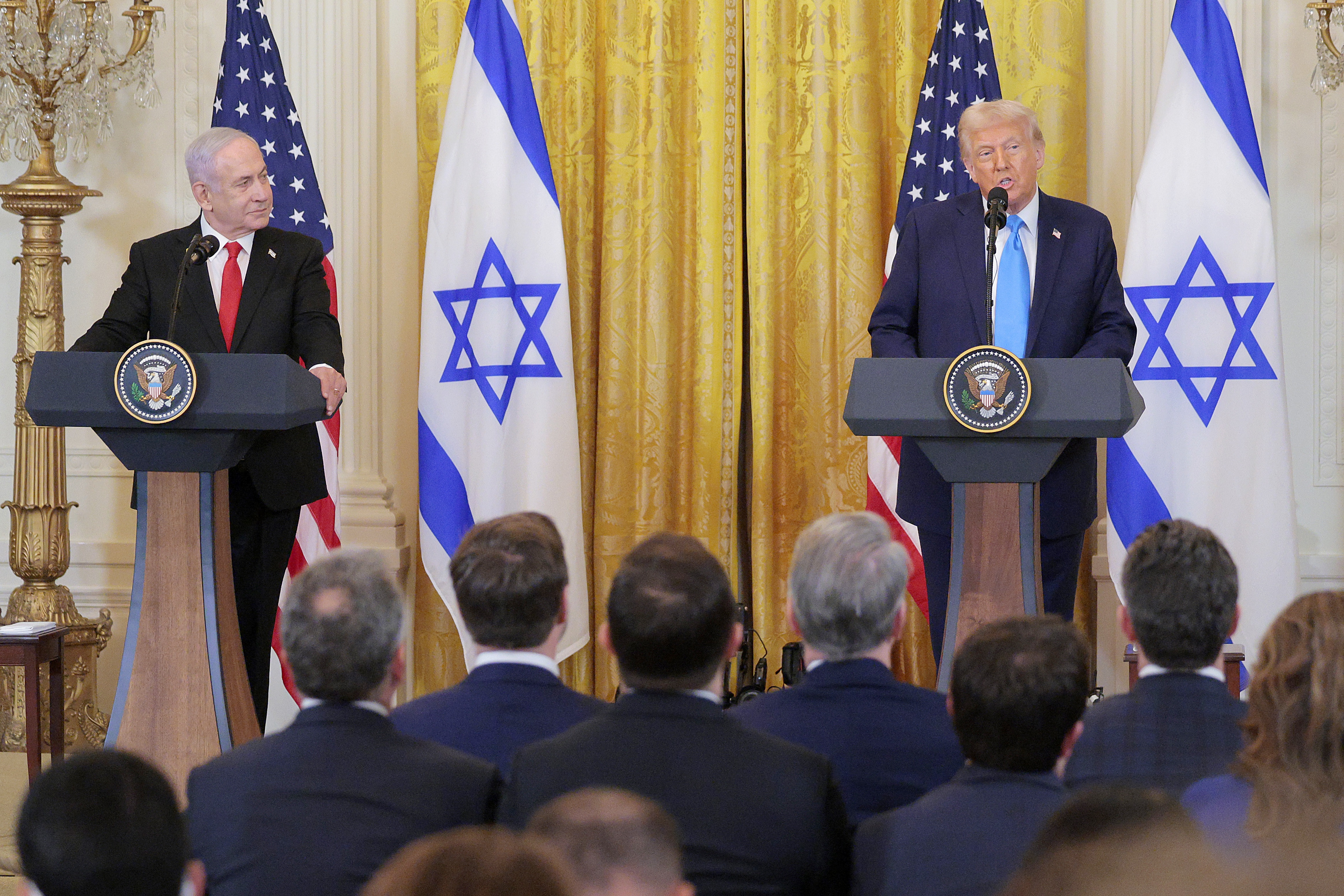
In an exclusive interview, Israeli Prime Minister Benjamin Netanyahu spoke publicly for the first time about Donald Trump’s proposed 21-point Gaza peace plan, describing it as a potential framework but emphasizing that hostage release and dismantling Hamas must remain the top priorities.
Hostages and Hamas at the Center
Netanyahu was clear about what Israel considers non-negotiable. “We want to free our hostages, get rid of Hamas rule, disarm them, and ensure Gaza is demilitarized,” he said. For him, any roadmap for peace must begin with addressing these urgent security concerns before considering broader diplomatic arrangements.
The Prime Minister also linked the plan’s success to ensuring a “new future” not only for Israelis but also for Palestinians in Gaza, suggesting that economic opportunities and regional stability could follow once Hamas is neutralized.
Ambiguities Remain
When asked about the possibility of Hamas leaders being given amnesty or safe passage out of Gaza under the proposed plan, Netanyahu avoided a direct answer, saying he would not “preempt” negotiations. His cautious response highlights the sensitive and politically charged nature of such proposals.
On the issue of governance, Netanyahu strongly opposed granting the Palestinian Authority (PA) full control of Gaza, citing longstanding doubts about the PA’s ability to reform and act as a reliable governing partner. Instead, he hinted at the need for alternative structures but provided no specifics.
Diplomatic Balancing Act
Despite the lack of concrete commitments, Netanyahu confirmed that talks with Trump’s team are ongoing and that the plan is still evolving. He also downplayed concerns that Israel’s military operations in Gaza or recent strikes abroad could damage ties with regional partners.
“The Abraham Accords will not only endure but will be expanded,” Netanyahu stated, signaling confidence that Israel’s normalization agreements with Arab states remain secure despite the escalating conflict.
Challenges and Criticism
Analysts warn that Netanyahu’s cautious stance reflects the delicate balance Israel faces: addressing domestic security concerns, negotiating with international partners, and managing relations with Palestinians. Critics argue that without a clear governance plan for Gaza, the peace framework risks stalling before it can take shape.
Meanwhile, Trump continues to promote his plan as the closest path toward ending the conflict, though past attempts at Middle East peace initiatives have faced skepticism from both Palestinian leaders and international observers.
Looking Ahead
Netanyahu’s comments leave many questions unanswered. Who will govern Gaza if Hamas is removed? How will security be guaranteed long-term? And can hostages be freed without concessions seen as politically unpalatable in Israel?
For now, Netanyahu is signaling conditional openness to Trump’s proposal—supporting its broad goals but reserving judgment on the details. As negotiations progress, the world will be watching closely to see whether this plan becomes a turning point in the region’s long-running conflict or another unrealized vision for peace.
Watch video below :


:max_bytes(150000):strip_icc():focal(749x0:751x2)/Karoline-Leavitt-Expecting-Baby-No-2-122625-3ee9c9c5c0004741808a746cca98b9b2.jpg?w=350&resize=350,220&ssl=1 "White House Press Secretary Karoline Leavitt Announces Pregnancy, Expecting Baby Girl")





:max_bytes(150000):strip_icc():focal(749x0:751x2)/Karoline-Leavitt-Expecting-Baby-No-2-122625-3ee9c9c5c0004741808a746cca98b9b2.jpg?w=180&resize=180,130&ssl=1 "White House Press Secretary Karoline Leavitt Announces Pregnancy, Expecting Baby Girl")