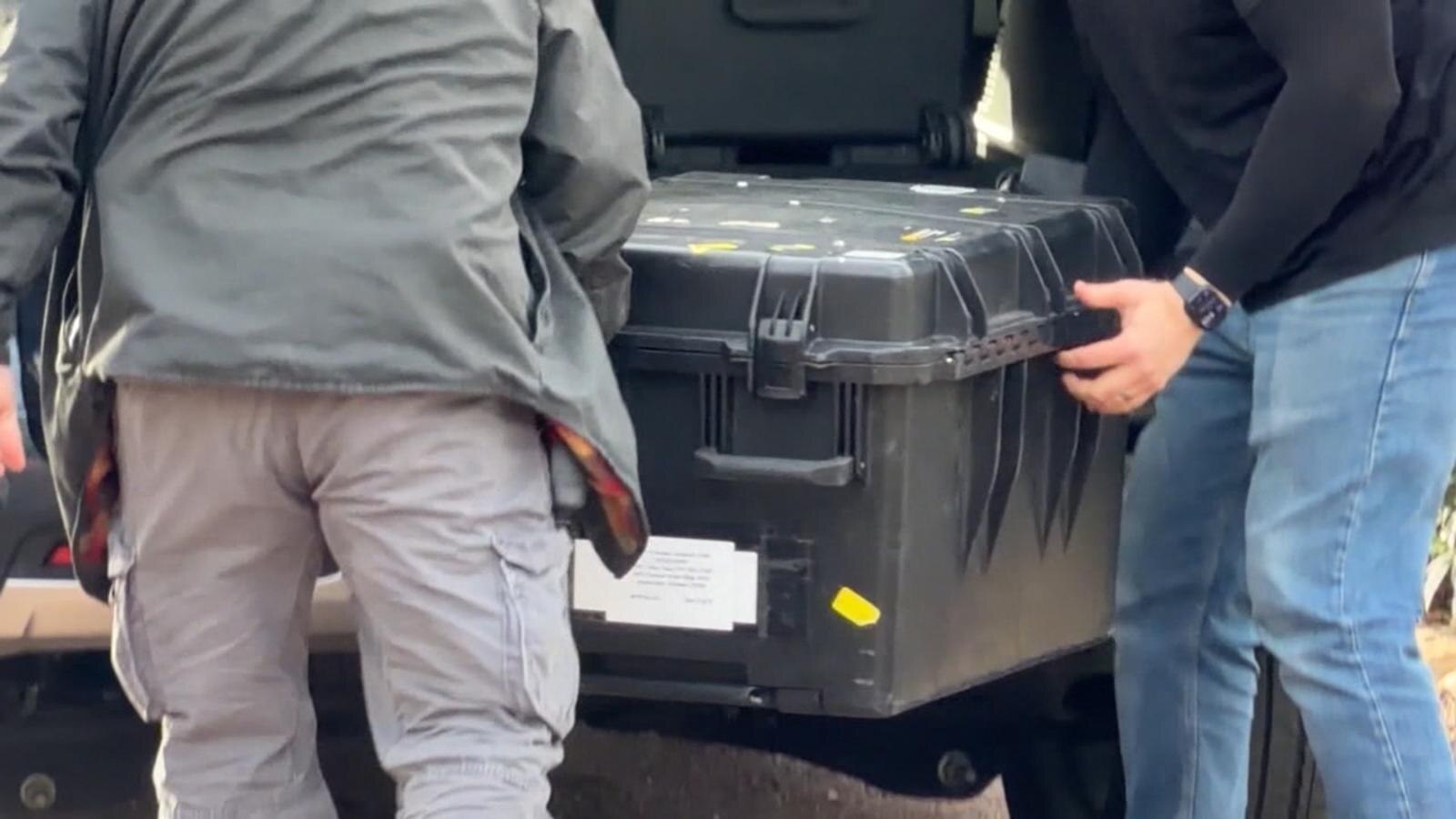
Investigators are intensifying their efforts in the case of Nancy Guthrie, focusing on crucial clues — including newly analyzed DNA evidence — as authorities work to piece together what happened.
Law enforcement officials confirmed that forensic analysis has become central to the investigation. Detectives are re-examining biological samples collected at the scene, applying updated DNA testing techniques that were not available when the case first emerged. Advances in forensic science, including more sensitive genetic profiling and expanded national databases, have provided renewed hope that long-standing questions may finally be answered.
According to investigators, DNA remains one of the most powerful tools in modern criminal investigations. Even trace amounts of genetic material — such as skin cells, hair fragments, or other biological evidence — can now yield detailed profiles. Authorities are reportedly comparing recovered samples against national and state databases in an effort to identify potential suspects or persons of interest.
In addition to DNA, detectives are reviewing witness statements, reanalyzing physical evidence, and reassessing timelines. Officials emphasized that no single clue determines the outcome of an investigation; instead, multiple pieces of evidence must align to build a comprehensive and legally sound case.
Sources close to the investigation say renewed attention to forensic findings has narrowed the focus onto several key leads. While authorities have not publicly named suspects, they have indicated that progress is being made. Law enforcement representatives stress that maintaining investigative integrity is essential and that certain details cannot yet be disclosed.
For families of victims, the pace of criminal investigations can be emotionally challenging. Loved ones of Nancy Guthrie have expressed hope that advances in DNA technology may finally provide clarity and accountability. Community members have also voiced support for law enforcement’s continued efforts.
Criminal justice experts note that cold or complex cases often hinge on forensic breakthroughs. In recent years, improved DNA analysis — including genealogical research and advanced laboratory techniques — has helped solve cases that once seemed unsolvable. However, experts caution that forensic evidence must be handled carefully to avoid contamination and ensure admissibility in court.
Authorities have reiterated that the investigation remains active and ongoing. They encourage anyone with additional information to come forward, emphasizing that even small details can prove significant when combined with forensic findings.
While investigators continue to examine DNA results and other evidence, officials urge the public to avoid speculation. Preserving the integrity of the legal process is critical to ensuring that any potential charges are supported by solid, admissible proof.
As forensic teams analyze key clues, the focus remains on uncovering the truth in the Nancy Guthrie case. With renewed momentum and modern scientific tools at their disposal, investigators hope that long-awaited answers may soon emerge.
Watch video below :