

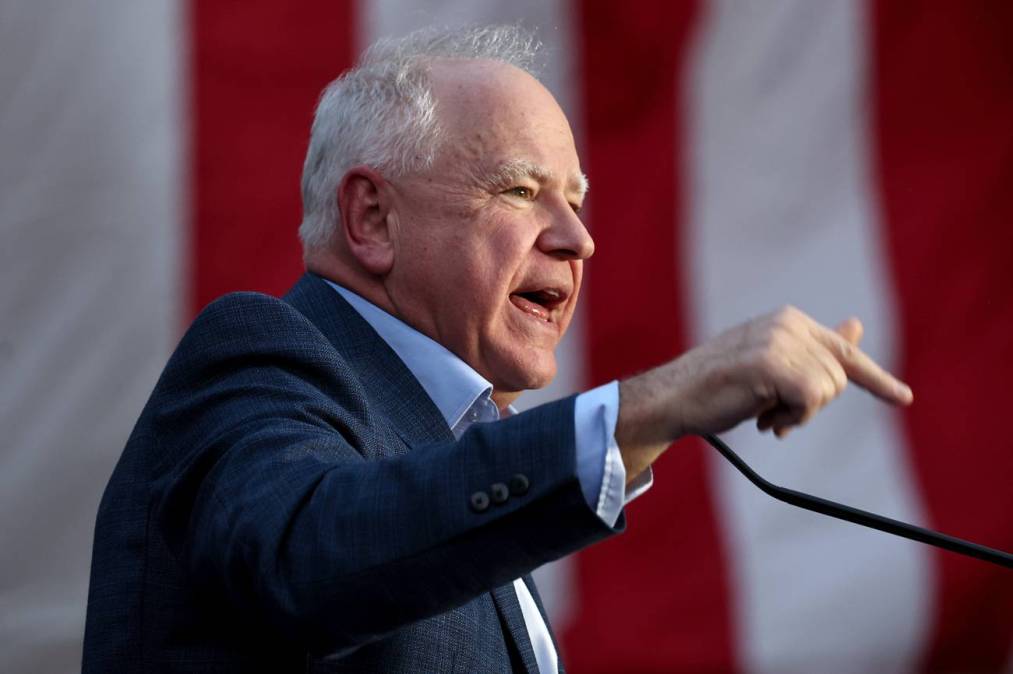
The Minnesota fraud scandal is rapidly expanding, as investigators uncover new layers of alleged misconduct, additional suspects, and mounting financial losses tied to what officials now describe as a systemic breakdown in oversight and accountability.
What began as a single investigation into misuse of public funds has grown into a far-reaching probe involving multiple organizations, government programs, and individuals. Law enforcement authorities say the scale of the alleged fraud is significantly larger than initially believed, with potential losses now reaching tens — possibly hundreds — of millions of dollars.
At the heart of the scandal are accusations that public money intended for vulnerable communities was diverted through shell organizations, falsified documents, and inflated claims. Investigators allege that fraudulent operators exploited weak controls and slow auditing processes, allowing the scheme to continue for years without detection.
As the investigation widens, new arrests, indictments, and subpoenas are expected. Prosecutors have indicated that additional charges could be filed as financial records are reviewed and cooperating witnesses come forward. Authorities are also examining whether individuals inside government agencies failed to act on warning signs — or actively enabled the fraud.
“This is no longer about a few bad actors,” one source familiar with the investigation said. “It’s about a system that failed repeatedly.”
The expanding Minnesota fraud case has triggered intense political fallout. State lawmakers from both parties are facing pressure to explain how oversight mechanisms failed so dramatically. Critics argue that regulators ignored red flags, whistleblower complaints, and obvious discrepancies in reporting while continuing to approve funding.
Public outrage has intensified as details emerge about the contrast between the program’s original mission and how the funds were allegedly used. Many of the grants and reimbursements were designed to support low-income families, children, and underserved populations, making the alleged misuse particularly disturbing.
State officials have pledged reforms, including tighter auditing standards, faster fraud detection systems, and stricter eligibility requirements for organizations receiving public funds. However, critics argue that proposed changes may be too late to recover lost money or restore public trust.
The scandal has also drawn federal attention, with national agencies assisting in financial tracing and criminal prosecution. Legal experts say the case could become one of the largest public-funding fraud investigations in Minnesota’s history, with potential implications beyond the state.
Beyond legal consequences, the damage to public confidence may be lasting. Taxpayers are demanding answers, advocacy groups are calling for transparency, and watchdog organizations are pushing for independent reviews of state agencies involved in administering the funds.
As the investigation continues to expand, officials warn that more revelations are likely. What is already clear is that the Minnesota fraud scandal is not an isolated incident, but a cautionary tale about what happens when massive public programs move faster than the systems designed to protect them.
The coming months are expected to bring new charges, deeper scrutiny, and major political repercussions, as Minnesota confronts one of the most serious fraud crises in its recent history.
Watch video below :


