

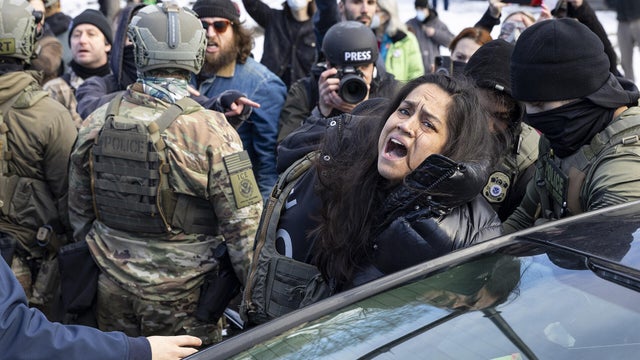
Minneapolis Mayor Jacob Frey has said that a significantly increased presence of U.S. Immigration and Customs Enforcement (ICE) agents in the city is driving turmoil and escalating tensions behind a wave of ongoing protests, as federal immigration enforcement collides with local concerns over public safety and civil rights.
In public remarks, Frey argued that the expanded federal operation has created instability rather than calm, placing additional strain on city resources and deepening fear within immigrant communities. He described the situation as “not sustainable,” warning that the scale and intensity of ICE activity have contributed directly to unrest on Minneapolis streets.
The protests erupted following a surge in federal immigration enforcement, which included the deployment of hundreds — and potentially thousands — of ICE and other federal agents. Demonstrators have gathered in multiple parts of the city, accusing federal authorities of aggressive tactics and calling for greater accountability. While many protests have been peaceful, tensions have remained high, prompting an increased law enforcement presence.
Mayor Frey emphasized that Minneapolis officials were not adequately consulted ahead of the federal deployment. He said local police have been forced into a difficult position, balancing routine public safety duties with the need to manage large demonstrations sparked by federal actions. According to Frey, this dynamic has undermined trust between law enforcement and the community.
The heightened tensions follow several high-profile incidents involving federal agents, which have further inflamed public anger and fueled demonstrations. Civil rights advocates argue that these events highlight broader concerns about the role of federal immigration enforcement in local communities and the potential for escalation when heavily armed agents operate in densely populated urban areas.
Federal officials, however, have defended the increased ICE presence, saying it is necessary to enforce immigration law and maintain order amid rising unrest. Supporters of the operation argue that federal authorities have a responsibility to act when immigration laws are violated and when public safety is at risk.
The clash between Minneapolis leadership and federal officials reflects a broader national debate over immigration enforcement and the limits of federal power. Cities across the United States have struggled to balance cooperation with federal agencies while addressing the concerns of residents who fear that aggressive enforcement damages community trust and discourages cooperation with local police.
Frey has repeatedly called for de-escalation, urging protesters to remain peaceful and asking federal authorities to reconsider the scale of their presence. He warned that continued confrontation could lead to further instability and urged all parties to focus on protecting lives and restoring calm.
As protests continue, Minneapolis remains a focal point in the national conversation over immigration policy, civil liberties, and public order. Whether tensions ease will likely depend on how federal and local leaders navigate the coming days and whether meaningful dialogue can reduce the conflict fueling demonstrations.
Watch video below :


