A growing number of major U.S. media organizations — including The New York Times, The Washington Post, Reuters, CNN, Fox News, and NBC — are rejecting a new Pentagon press access policy that requires journalists to sign a pledge restricting their reporting on unapproved information. The move has sparked a heated national debate over press freedom, government transparency, and the limits of national security.
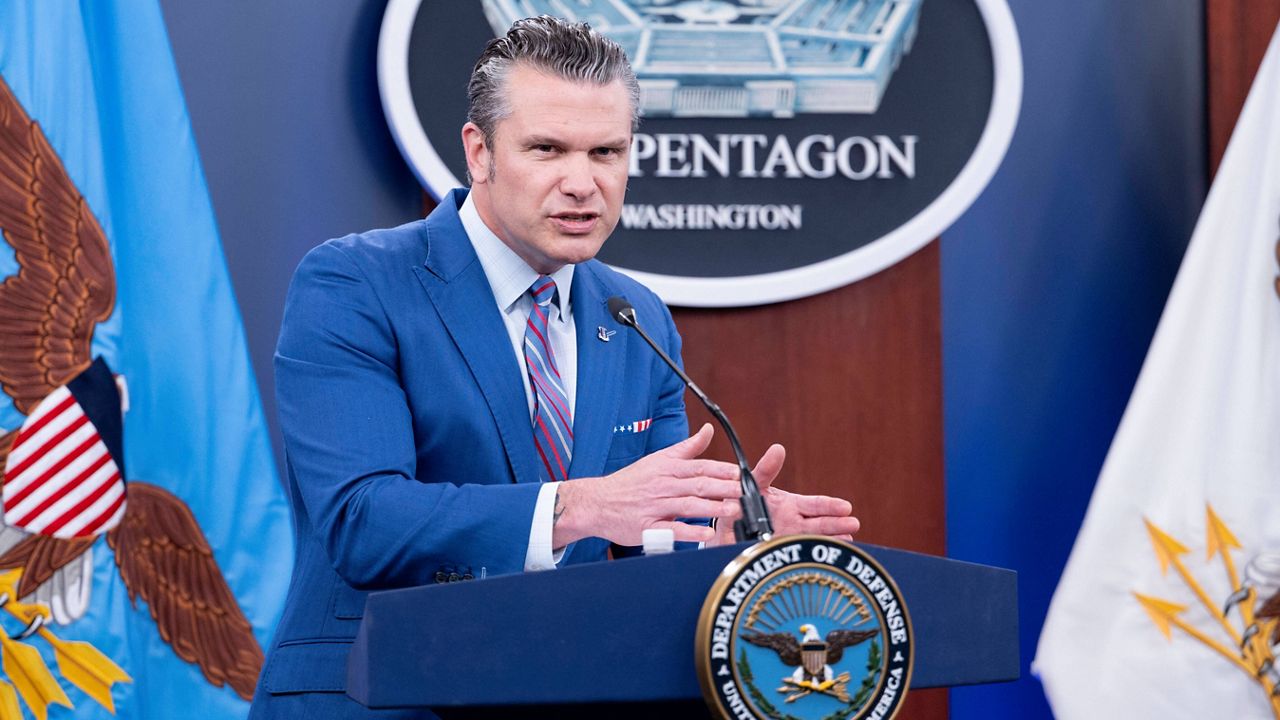
Under the new rules, announced by the Department of Defense and approved by Secretary Pete Hegseth, journalists covering the Pentagon must pledge not to seek, obtain, or publish information unless it has been explicitly cleared for public release. Even unclassified materials are covered under the restrictions. Reporters who refuse to comply could lose their press credentials, offices, or access privileges inside the Pentagon.
Pentagon officials have defended the policy as a measure to protect sensitive information and maintain operational security. A spokesperson said the guidelines “ensure responsible reporting practices” and “prevent the mishandling of non-public materials that could compromise defense operations.”
However, media organizations and press freedom advocates say the policy crosses a constitutional line.
“This is not about security — it’s about control,” said a representative from the Pentagon Press Association (PPA). “Requiring journalists to pledge away their right to seek information is fundamentally incompatible with the First Amendment.”
The backlash has been swift and nearly unanimous. The five major broadcast networks — ABC, NBC, CBS, CNN, and Fox News — released a joint statement rejecting the pledge, saying they will not “sacrifice editorial independence for access.” Only One America News Network (OAN) has reportedly signed the agreement after legal review.
Organizations such as the National Press Club, the Committee to Protect Journalists (CPJ), and the American Civil Liberties Union (ACLU) have condemned the move as an attempt to censor and intimidate the press. They argue that the policy’s language is so vague it could be used to punish reporters for routine investigative work — even for reporting on non-classified information already in the public domain.
Legal experts also warn that the policy may violate the First Amendment by conditioning access to government facilities on journalists’ willingness to avoid reporting certain information. Some outlets are reportedly considering legal challenges if the Pentagon enforces the pledge.
Despite the mounting criticism, Pentagon officials have not indicated any plans to withdraw or revise the rules. Outlets that refuse to sign may soon lose their on-site press credentials, potentially limiting public access to critical information about U.S. defense policy, military operations, and government accountability.
The standoff highlights an escalating conflict between the government’s desire for information control and the media’s role in holding power to account. As the signing deadline approaches, the question remains: Will the Pentagon back down — or will it risk a historic clash over the future of press freedom in America?
Watch video below :