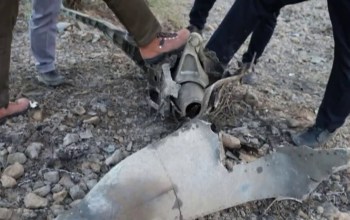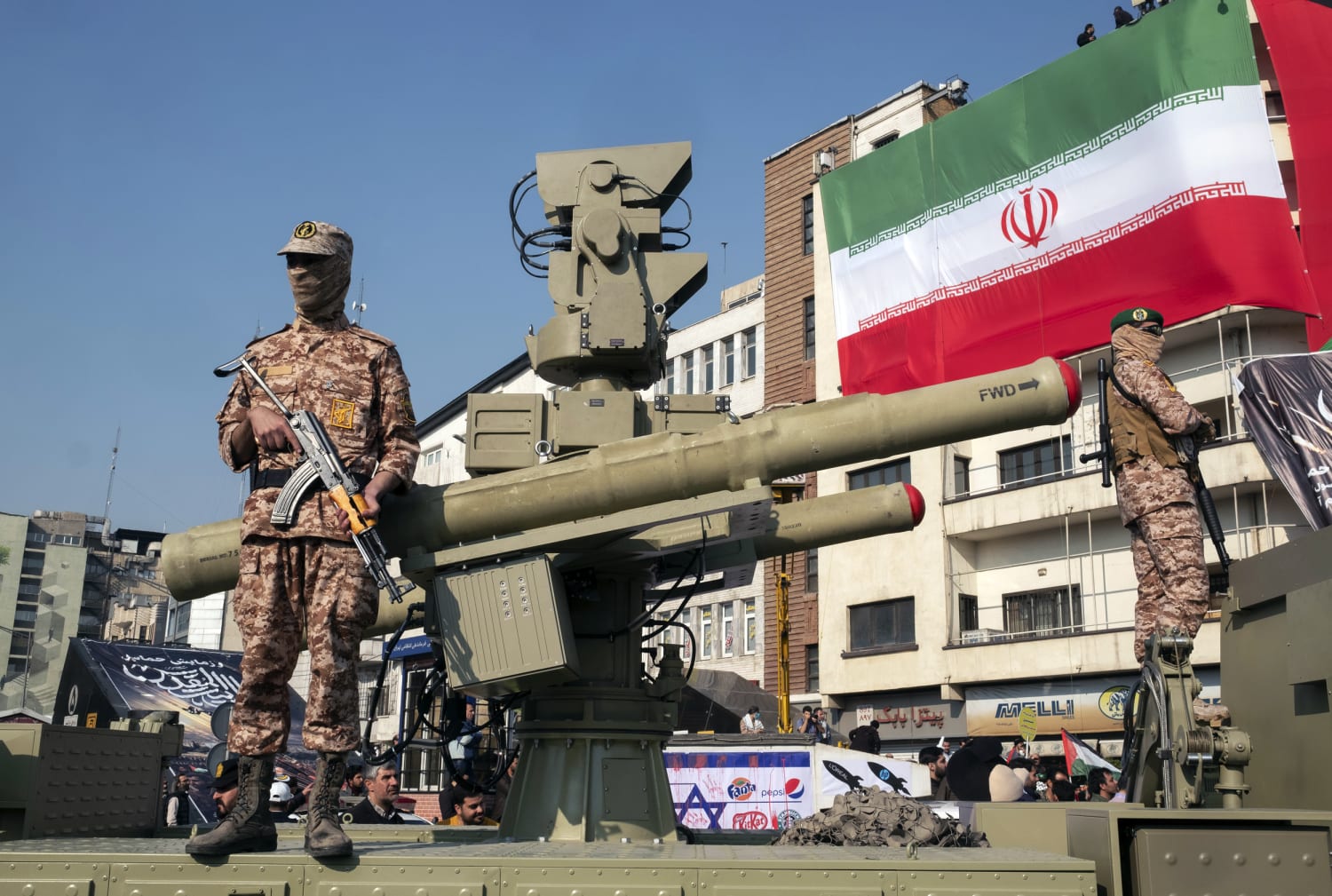
A senior Kurdish official has issued a stark warning about the risk of Iranian retaliation as tensions continue to escalate across the Middle East. The comments come amid expanding military operations involving the United States, Israel, and Iran, raising fresh concerns about the stability of northern Iraq and neighboring border regions.
The official, speaking from the semi-autonomous Kurdistan Region, cautioned that Kurdish territories could become vulnerable if Iran seeks to respond to recent strikes targeting its military assets. While Kurdish authorities are not direct participants in the broader confrontation, their geographic proximity to Iran places them at heightened risk.
“We are deeply concerned about possible retaliation,” the Kurdish official said, emphasizing the need for heightened security coordination. Regional leaders fear that missile strikes, drone attacks, or proxy operations could spill into Kurdish-controlled areas, particularly if Tehran aims to target U.S. interests or perceived allied positions.
The Kurdistan Region hosts U.S. military personnel and coalition forces involved in regional security operations. That presence, while central to counterterrorism efforts, could make certain facilities potential targets in the event of further escalation. Kurdish security forces have reportedly increased defensive readiness and intelligence monitoring along key border zones.
Analysts say Iran has historically relied on both direct missile capabilities and affiliated armed groups to project power across Iraq and Syria. In previous crises, Iranian-aligned militias have launched rocket and drone attacks against installations housing American forces. As tensions rise again, Kurdish officials worry that similar tactics could reemerge.
The warning also reflects broader anxieties about economic and humanitarian fallout. Northern Iraq has enjoyed relative stability compared to other parts of the country, attracting foreign investment and supporting large displaced populations. Any renewed cross-border hostilities could disrupt trade routes, energy infrastructure, and civilian life.
Regional observers note that Kurdish leaders are walking a delicate diplomatic line. While maintaining close security ties with Washington, they must also manage complex relations with Baghdad and Tehran. Escalating hostilities between major powers could complicate that balance and strain political cohesion within Iraq.
Meanwhile, Iranian officials have vowed to respond to what they describe as aggressive actions by the United States and Israel. Though Tehran has not specified targets, its rhetoric has fueled fears that retaliation could extend beyond traditional flashpoints.
Security experts emphasize that even limited retaliatory strikes could trigger broader instability, particularly if civilian areas are affected. As a result, Kurdish authorities are urging international partners to prioritize de-escalation and diplomatic engagement alongside military preparedness.
For now, the Kurdistan Region remains on alert, closely monitoring developments as the regional confrontation unfolds. The warning from Kurdish leadership highlights how quickly geopolitical conflict can ripple outward, placing neighboring communities at risk even when they are not direct parties to the dispute.
Watch video below :