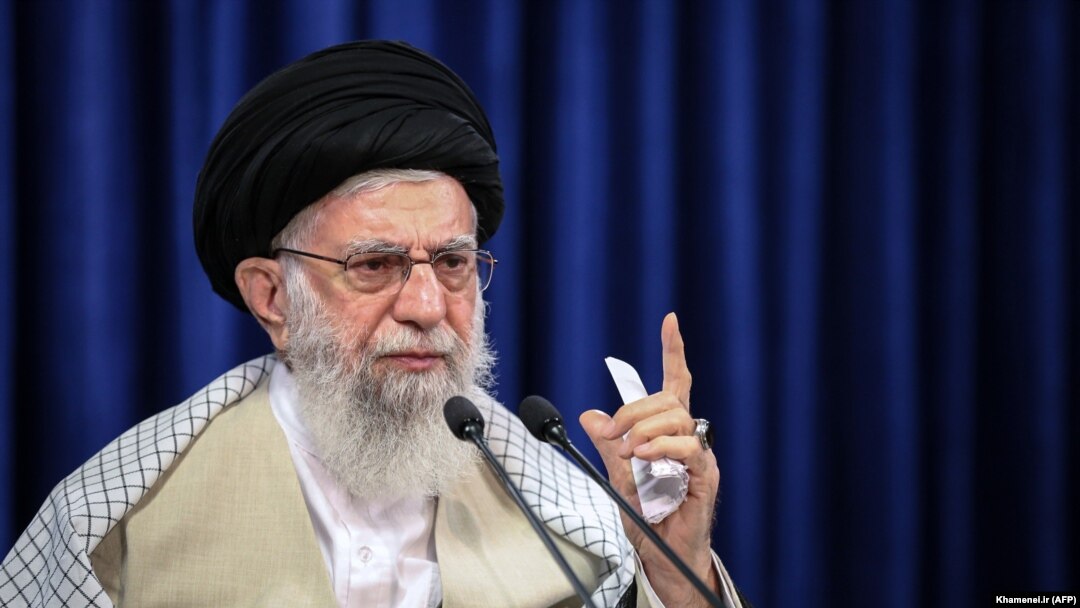
Tensions between Iran and the United States are escalating again after Iran’s Supreme Leader Ayatollah Ali Khamenei delivered remarks that experts say amount to a direct warning toward Washington.
Speaking about the growing military and political pressure facing Tehran, Khamenei issued a strong message suggesting Iran is prepared to respond aggressively if the United States continues what Iran describes as hostile actions. His words have sparked widespread attention, with analysts warning that the rhetoric signals a dangerous shift in the already fragile relationship between the two countries.
The founder of the Washington-based think tank Foundation for Defense of Democracies (FDD) described Khamenei’s comments as an open threat against the U.S., saying the Iranian leader is attempting to project power and intimidate American policymakers. According to the expert, Tehran is using strategic messaging to signal that Iran will not back down, even as U.S. military presence in the region remains strong.
Khamenei’s remarks come at a time when the Middle East is already facing heightened instability. Iran’s nuclear ambitions, regional proxy activity, and ongoing tensions involving U.S. allies have created a volatile environment where a single miscalculation could trigger a broader confrontation.
Security analysts believe Iran’s leadership may be relying on threats and symbolic statements to strengthen domestic unity and deter foreign action. However, critics argue that such language increases the risk of escalation, especially when paired with military exercises, drone development, and Iran’s support for allied armed groups across the region.
The FDD founder warned that Iran’s leadership has a long history of using aggressive rhetoric to test U.S. resolve, and that Washington should not underestimate Tehran’s willingness to act through indirect attacks, including proxy forces targeting American interests.
While no immediate military response has been announced, experts say the situation is becoming increasingly dangerous. As tensions rise, the international community is watching closely to see whether diplomatic efforts can reduce the pressure—or if the growing war of words will push both sides closer to confrontation.
Watch video below :