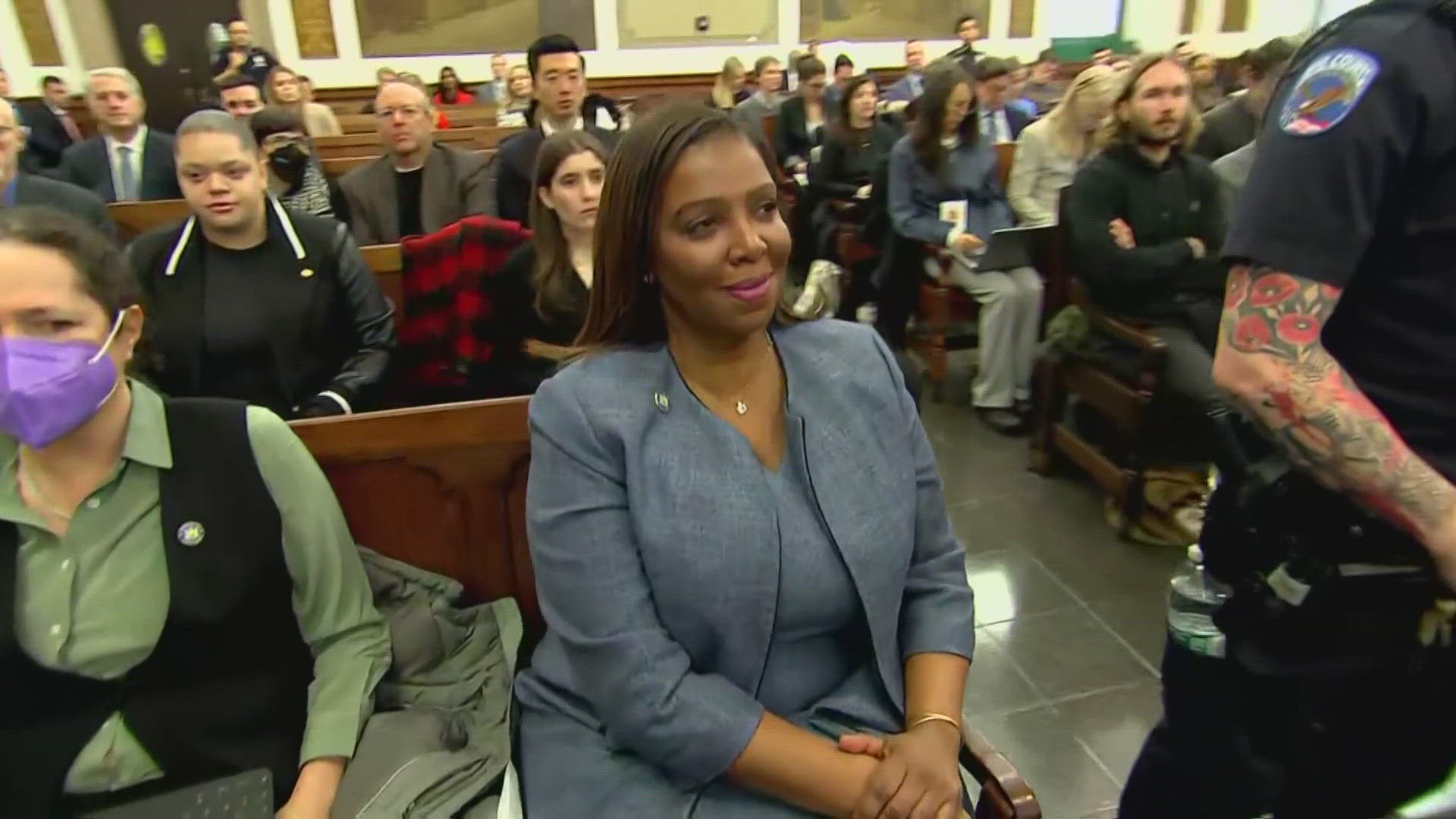
The political and legal landscape in the United States has once again erupted in controversy as the Justice Department failed for the second time to re-indict New York Attorney General Letitia James. In a stunning repeat of last week’s outcome, a federal grand jury in Alexandria, Virginia refused to bring charges against James, signaling a major setback for federal prosecutors and adding fuel to an already explosive political debate.
This latest rejection follows an earlier refusal by a separate grand jury in Norfolk, Virginia, marking two consecutive failures in less than two weeks. The case, which centers on alleged mortgage-fraud violations tied to James’s 2020 purchase of a property in Norfolk, has become one of the most politically charged legal battles in the country. Federal prosecutors claimed that James misrepresented the home as a “second residence” to obtain better loan terms. James, a high-profile Democrat and outspoken critic of President Donald Trump, has consistently denied any wrongdoing and labeled the prosecution as a politically motivated attack.
The Justice Department had attempted to revive the case after a federal judge dismissed the original indictment in November. The dismissal was triggered by a stunning procedural failure: the prosecutor leading the case, Lindsey Halligan, had been improperly appointed, rendering the entire indictment invalid. Despite reassigning the case and reconvening a new grand jury, the department has now faced two rare public rebukes. In the American legal system, grand juries almost always side with prosecutors—making this double rejection both extraordinary and deeply embarrassing for federal officials.
Political analysts note that the case has become a symbolic showdown between the Justice Department and one of the most prominent state-level officials in the nation. Letitia James has led several major civil and criminal actions involving corporate fraud, political corruption, and investigations targeting Trump’s business empire. Her supporters argue that the federal case is a clear retaliation tactic designed to undermine her credibility and derail her ongoing legal initiatives. Meanwhile, critics insist that no public official is above the law and that prosecutors should continue pursuing what they claim is legitimate evidence of mortgage misrepresentation.
The back-to-back grand jury refusals, however, raise serious questions about the strength of that evidence. Legal experts point out that repeated failures at this stage indicate either insufficient documentation, credibility problems, or juror concerns about political influence overshadowing the legal process. For the Justice Department, the challenge now is determining whether to escalate the case further or finally concede defeat in a prosecution effort that appears to be losing momentum rapidly.
As the nation watches closely, the outcome of this legal battle may influence broader conversations about political power, judicial independence, and the role of federal authorities in high-profile investigations. Whether the Justice Department attempts a third re-indictment or steps back from the case entirely, the saga surrounding Letitia James has already become one of America’s most closely scrutinized justice controversies.
If you want, I can generate a shorter version, a more keyword-dense SEO version, or create social media captions for this article.
Watch video below :