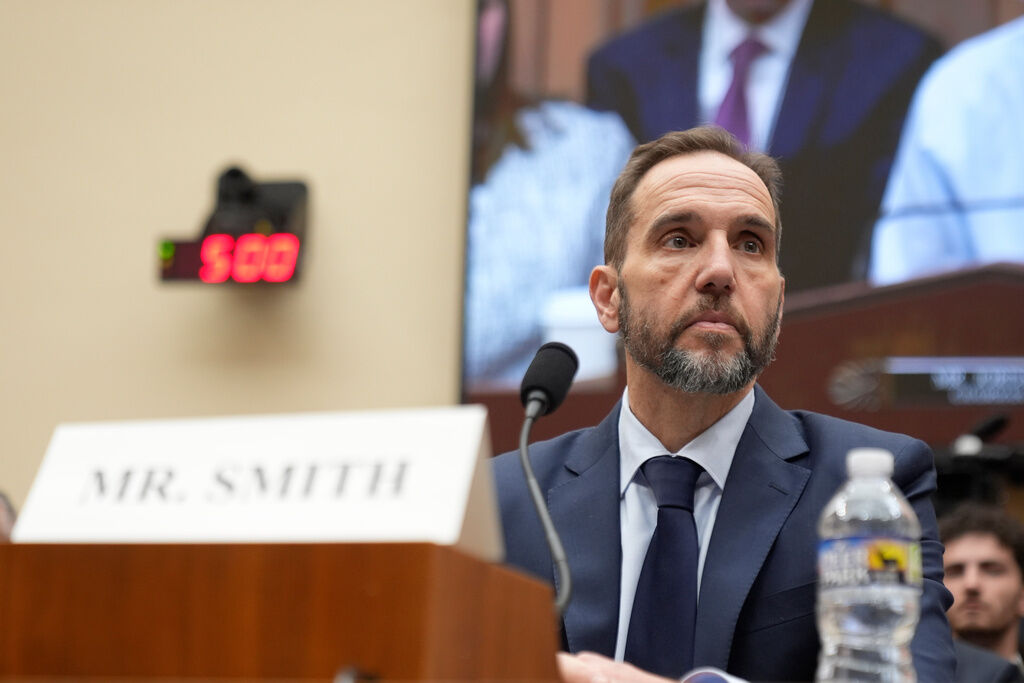
A federal judge’s decision to permanently block the release of Special Counsel Jack Smith’s classified report related to the Donald Trump presidential documents investigation has sparked intense legal debate. The ruling raises fundamental questions about transparency, executive privilege, separation of powers, and the public’s right to information in high-profile legal matters.
Background: The Trump Documents Investigation
The case stems from a high-stakes federal investigation into President Donald Trump and his handling of classified documents after leaving the White House. Prosecutors led by Special Counsel Jack Smith sought to determine whether Trump mishandled sensitive material and to recommend appropriate legal action. The resulting report — long anticipated by lawmakers, media, and the public — was expected to shed detailed light on prosecutorial reasoning, classified evidence, and legal conclusions.
The Court Ruling: Permanent Block
In a controversial move, a federal judge ruled that the classified Special Counsel report must not be released to the public or made available through Freedom of Information Act (FOIA) channels. While some courts have allowed redacted disclosures in similar cases, this judge cited national security concerns, potential harm to intelligence sources and methods, and risks to ongoing investigations as key reasons to bar release entirely.
Executive Privilege and National Security
A primary factor in the ruling was executive privilege — the constitutional doctrine allowing certain presidential communications to remain confidential. Legal experts argue that when classified national security material is involved, courts defer heavily to the executive branch’s assessments of risk. In this case, the judge appears to have accepted arguments that disclosure could compromise intelligence collection and diplomatic relationships.
Critics counter that the decision effectively places some executive actions beyond meaningful public scrutiny. They contend that unchecked secrecy can erode democratic accountability, especially in matters involving a president’s conduct.
Separation of Powers and Judicial Authority
The ruling also highlights tensions between the judiciary and other branches of government. Legal scholars note that courts traditionally play a balancing role, weighing national security against First Amendment and transparency interests. However, when a judge gives significant deference to executive assessments of harm, critics argue this can tilt the balance too far toward secrecy.
Supporters of the decision emphasize the judiciary’s duty to prevent undue risk to the nation. They argue that classified information, once public, cannot be “unseen,” and that the ramifications of inadvertent disclosure can extend for decades.
Impact on Public Trust and Transparency
Permanent suppression of the report could have far-reaching effects on public trust. Transparency advocates warn that withholding key legal reasoning in such a high-profile matter may fuel speculation and political polarization. Without access to the Special Counsel’s detailed findings, the public — and even some lawmakers — may struggle to evaluate the strength of prosecutorial judgments or the legal basis for decisions made during the investigation.
Legislative and Political Reactions
Some members of Congress have indicated they may pursue legislative avenues to compel review or secure classified briefings for key committees. Others argue that judicial restraint on matters of national security is appropriate, insisting that executive and legislative branches must respect each other’s prerogatives.
Longer-Term Legal Implications
The judge’s decision could set judicial precedent for how sensitive investigative reports are treated going forward. Future special counsel investigations — particularly those involving classified material — may be subject to similarly restrictive rulings, potentially limiting public access even when transparency advocates argue it is in the national interest.
Conclusion: A Legal Crossroads
At its core, the judge’s permanent block of the Jack Smith report encapsulates deep legal and constitutional questions about accountability, secrecy, and the public’s right to know. As legal experts continue to dissect the ruling, its implications for executive power, judicial deference, and democratic transparency will remain central to debates over the role of law in shaping America’s political landscape.
Watch video below :