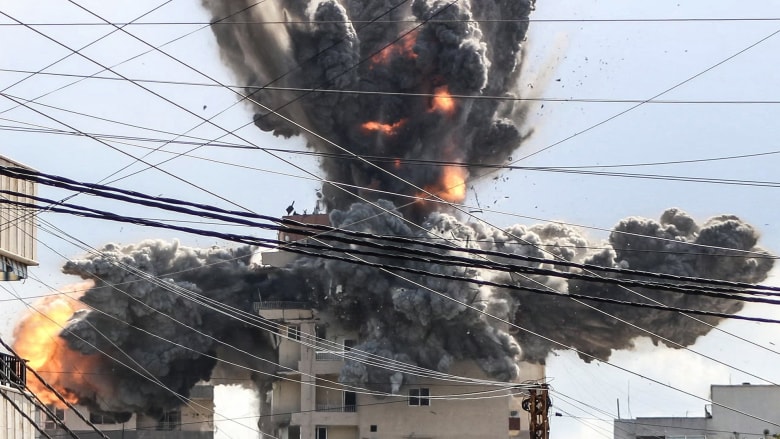
Renewed military activity involving Israel has raised concerns about the stability of an already fragile peace process in the Middle East, as the White House confirmed preparations for a new round of diplomatic talks aimed at preventing further escalation. The latest developments highlight the delicate balance between security concerns and ongoing international efforts to maintain regional stability.
According to officials familiar with the situation, Israeli strikes targeted locations believed to be linked to militant activity, intensifying fears that recent progress toward de-escalation could be undermined. Analysts note that even limited military operations in sensitive areas can rapidly increase tensions, particularly when ceasefire arrangements remain politically complex and vulnerable to disruption.
The White House emphasized the importance of diplomatic engagement, stating that new talks are intended to reduce the risk of broader conflict while addressing underlying security challenges. U.S. officials reiterated their commitment to working with regional partners to preserve stability, prevent humanitarian deterioration, and encourage dialogue between relevant parties.
Recent developments underscore the ongoing volatility in the region, where ceasefire agreements often rely on fragile understandings rather than comprehensive political settlements. Experts in international relations suggest that diplomatic negotiations remain critical to preventing escalation cycles that can emerge from retaliatory actions or misinterpretation of military intentions.
The situation also reflects broader geopolitical dynamics influencing Middle Eastern security policy. Strategic interests, historical grievances, and domestic political considerations frequently shape responses to perceived threats. As a result, even limited incidents can carry significant symbolic weight and influence public perception on all sides.
Officials in Washington indicated that the upcoming talks will involve coordination with key international stakeholders, with the goal of reinforcing communication channels and encouraging restraint. Diplomatic observers suggest that sustained engagement from major global actors often plays a crucial role in maintaining ceasefire arrangements, particularly when trust between parties remains limited.
While no timeline for a long-term agreement has been announced, policymakers continue to stress the importance of preventing escalation that could jeopardize civilian safety and regional economic stability. Energy markets, global trade routes, and international security frameworks are all sensitive to sudden changes in Middle Eastern stability, making diplomatic progress a priority for many governments.
Security analysts caution that maintaining calm will likely require both short-term confidence-building measures and longer-term political dialogue addressing root causes of conflict. The White House statement reflects ongoing efforts to balance support for security concerns with diplomatic initiatives designed to reduce tensions.
As negotiations move forward, the international community will be closely monitoring whether renewed dialogue can help preserve the fragile peace framework. The evolving situation demonstrates how quickly regional stability can shift and underscores the continued importance of diplomatic coordination in addressing complex geopolitical challenges.
Watch video below :