

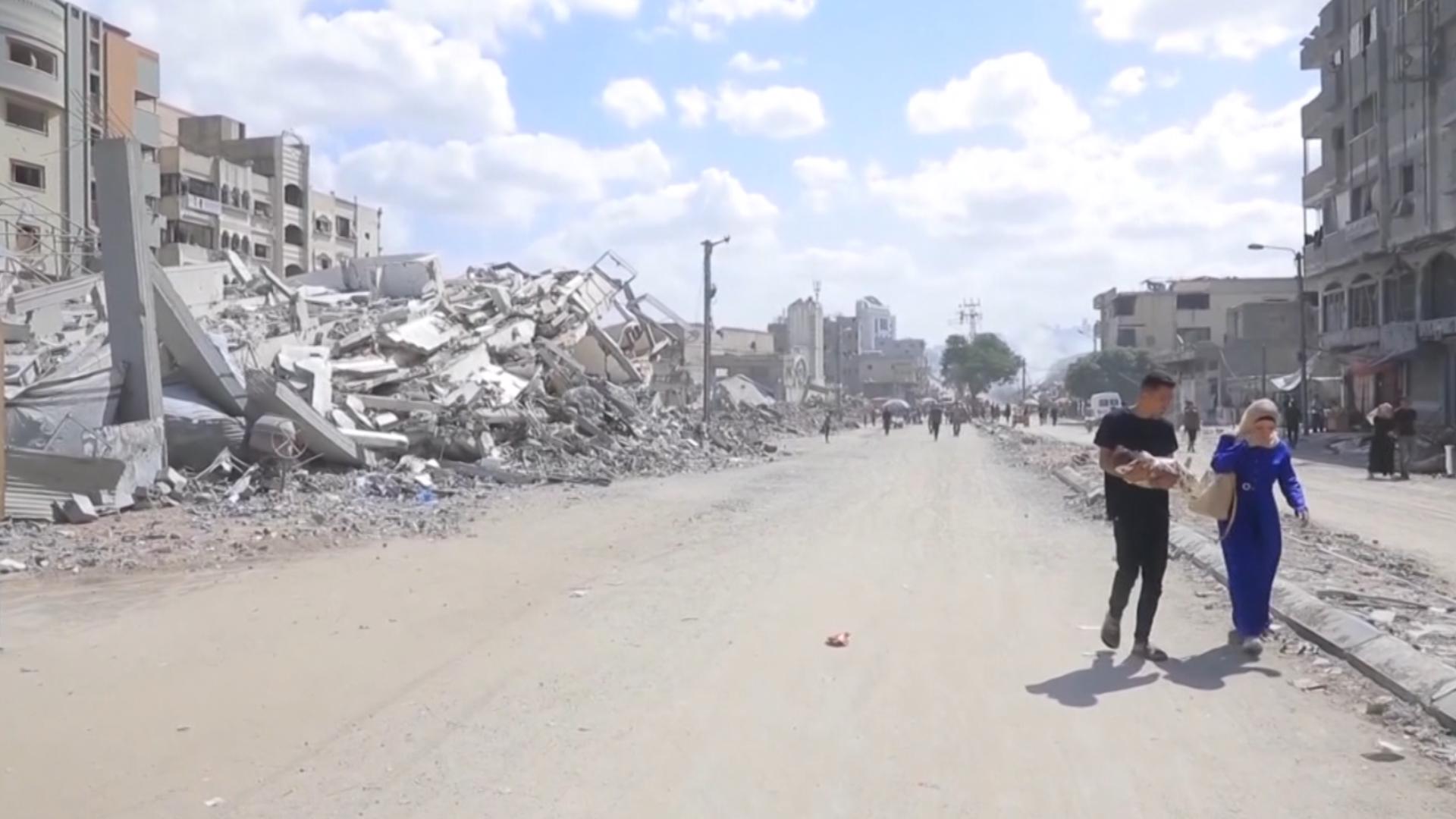
In a potential turning point for one of the world’s most volatile conflicts, Israel and Hamas are set to negotiate the final terms of a new ceasefire deal that could bring an end to the devastating war in Gaza. The talks, mediated by the United States, Egypt, and Qatar, aim to secure an agreement that would include an immediate ceasefire, the release of hostages, and a phased Israeli military withdrawal.
According to multiple diplomatic sources, Israel has accepted a preliminary withdrawal line inside Gaza as part of a U.S.-brokered framework. This would mark the first significant step toward de-escalation since the war began nearly two years ago. The ceasefire would take effect as soon as Hamas formally confirms its acceptance of the plan, triggering the start of hostage and prisoner exchanges.
Hamas officials have indicated their willingness to move forward with President Trump’s proposed roadmap, agreeing in principle to release all Israeli hostages, both living and deceased. However, the group has expressed reservations about certain provisions, particularly those related to disarmament and post-war governance in Gaza. Hamas insists that any final deal must respect Palestinian sovereignty and reject foreign control over local administration.
On the Israeli side, Prime Minister Benjamin Netanyahu has instructed the Israel Defense Forces (IDF) to scale back offensive operations in Gaza City and shift to a defensive stance in preparation for a possible truce. Nonetheless, Netanyahu emphasized that Israel will retain control over key security zones and expects any long-term peace to include the complete dismantling of Hamas’s military wing—a point that remains a major sticking issue in negotiations.
Diplomatic mediators are meeting in Cairo to finalize the terms, which include security guarantees, humanitarian aid corridors, and international monitoring mechanisms. A U.S. official described the progress as “encouraging but fragile,” warning that unresolved political divisions within both parties could still derail the talks.
For Hamas, the challenge lies in balancing its internal factions—some of which oppose disarmament—and maintaining political legitimacy among Palestinians after years of war. Meanwhile, Israeli hardliners within Netanyahu’s coalition are pushing back against concessions, arguing that any withdrawal could allow Hamas to regroup.
Civilian suffering continues to be a key driver behind international pressure for a deal. The war has left tens of thousands dead and Gaza’s infrastructure in ruins. Aid agencies warn that without a sustainable ceasefire, famine and disease could soon escalate beyond control.
If finalized, the deal would mark the most significant diplomatic breakthrough in the Middle East in years—potentially ending one of the region’s bloodiest chapters. Yet, as negotiations teeter between hope and hesitation, diplomats caution that a signed agreement is only the beginning. The real test will come in enforcing peace on the ground and rebuilding a fractured Gaza once the guns fall silent.
Watch video below :


