

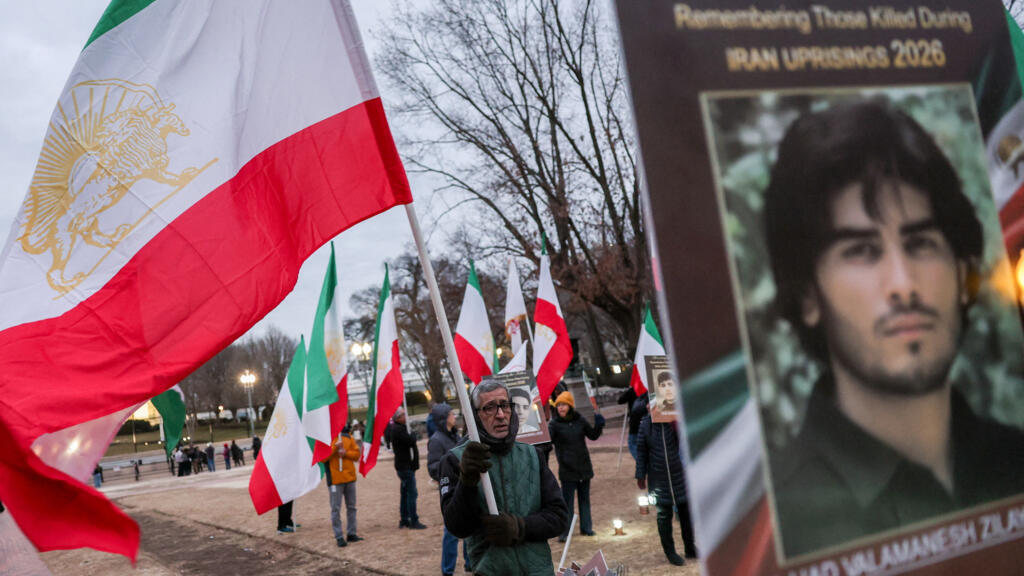
An Iranian official has acknowledged that at least 5,000 people have been killed during nationwide protests, marking one of the deadliest periods of unrest in the country’s recent history and drawing renewed international condemnation.
The protests, which erupted amid worsening economic conditions, initially focused on rising prices, unemployment, and currency collapse. However, they quickly evolved into broader demonstrations against Iran’s political leadership, governance, and long-standing grievances over civil liberties. What began as economic discontent soon transformed into a nationwide challenge to state authority.
According to the official statement, the death toll includes both civilians and members of Iran’s security forces, though the majority are believed to be protesters. The government described the unrest as violent and accused “armed groups and foreign-backed agitators” of fueling chaos, particularly in volatile regions of the country.
Clashes have been especially intense in northwestern provinces with large Kurdish populations, where security forces and protesters have engaged in prolonged confrontations. Human rights advocates report widespread use of force, mass arrests, and extended internet shutdowns, making independent verification of events extremely difficult.
The acknowledgment of such a high death toll has shocked many observers, as Iranian authorities have historically downplayed casualties during periods of unrest. International human rights organizations warn that the true number of deaths may be significantly higher, citing reports from activists, medical workers, and families who claim victims have gone uncounted.
The Iranian judiciary has taken a hardline stance, signaling that some detainees could face severe charges related to national security. Legal experts and rights groups fear that these cases may result in harsh sentences or executions, further intensifying concerns over human rights violations.
Globally, the protests and the government’s response have triggered strong reactions. Western governments have condemned the violence and called for accountability, while Iranian leaders have accused foreign powers of interference and destabilization efforts. Diplomatic tensions have risen as international pressure mounts on Tehran to curb the use of force and allow independent investigations.
Inside Iran, the unrest has deeply affected daily life. Businesses have closed, schools have been disrupted, and families across the country are mourning lost relatives. Despite the crackdown, reports suggest that public anger remains strong, fueled by economic hardship and frustration with political stagnation.
Analysts say the scale of casualties highlights a critical turning point for Iran. The combination of economic collapse, political disillusionment, and widespread repression has created a volatile environment with long-term implications for domestic stability and regional security.
As Iran faces mounting scrutiny, the official admission of at least 5,000 deaths underscores the severity of the crisis. Whether the unrest subsides or escalates further may depend on how authorities respond in the coming weeks — and whether meaningful reforms or dialogue emerge from one of the darkest chapters in the country’s modern history.
Watch video below :


