

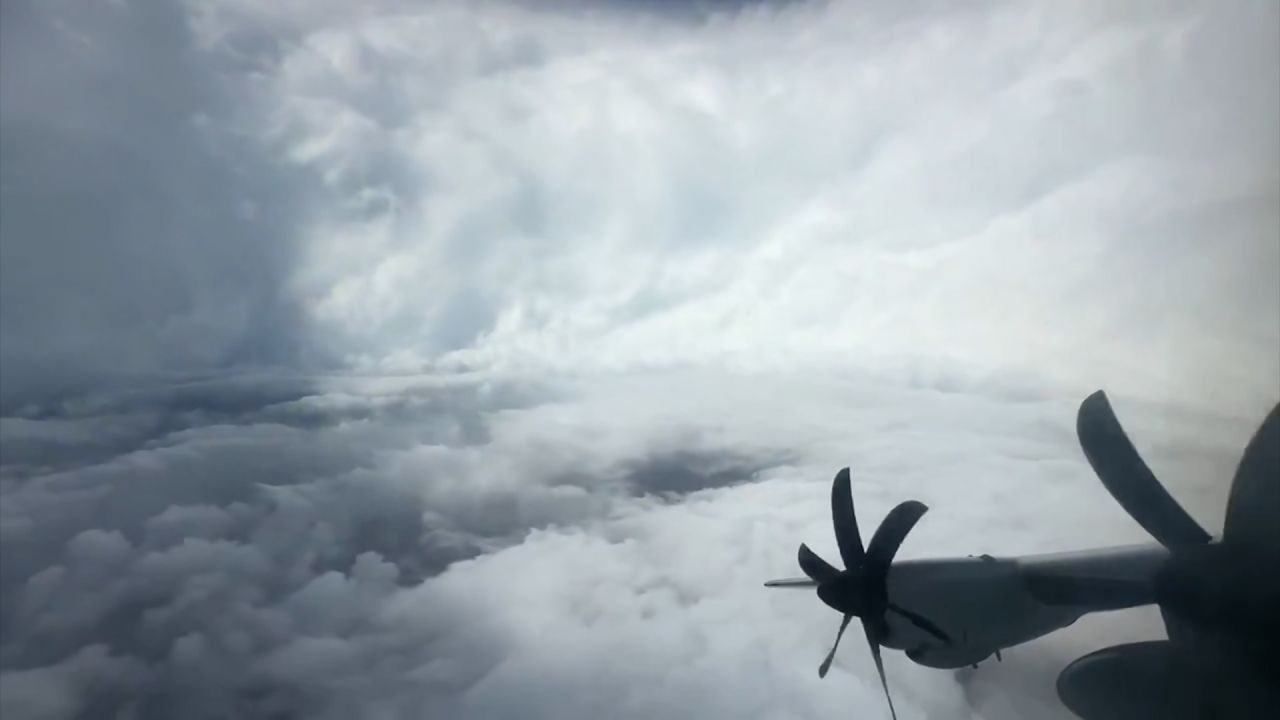
When Hurricane Melissa roared across the Atlantic this October, meteorologists called it one of the most unpredictable storms of the 2025 hurricane season. What began as a small tropical disturbance off the coast of West Africa rapidly evolved into a Category 4 hurricane, packing winds of over 140 mph and threatening millions along its projected path.
The storm’s development stunned experts. Within just 48 hours, Melissa transformed from a tropical depression into a full-fledged hurricane, fueled by unusually warm ocean temperatures and low wind shear. “This rapid intensification is something we’re seeing more often,” explains Dr. Laura Nguyen, a senior hurricane researcher at the National Oceanic and Atmospheric Administration (NOAA). “Warmer waters give these storms more energy, allowing them to strengthen at alarming speed.”
Melissa’s path shifted several times as it moved across the Atlantic, first threatening the Caribbean, then veering north toward Bermuda before brushing the U.S. East Coast. Although it never made direct landfall on the mainland, Melissa’s outer bands caused severe coastal flooding, power outages, and dangerous surf from Florida to New York. In Bermuda, sustained winds exceeding 120 mph uprooted trees, damaged homes, and left thousands without electricity.
Meteorologists credit improved satellite imaging and AI-driven forecasting models for helping predict Melissa’s behavior. New real-time data allowed emergency agencies to issue early evacuation warnings, potentially saving countless lives. Still, the storm underscored how vulnerable even well-prepared regions remain to nature’s extremes.
Environmental scientists are now studying Melissa as part of a broader pattern of stronger and faster-forming tropical cyclones. “The data show a clear trend,” says Dr. Nguyen. “As sea-surface temperatures rise due to climate change, we expect to see more storms like Melissa—rapid, powerful, and harder to forecast.”
Beyond the physical damage, Hurricane Melissa has sparked renewed discussion about climate resilience. Coastal communities are reevaluating infrastructure, flood defenses, and emergency response systems. “This storm was a wake-up call,” says Michael Santos, a disaster-management official in Florida. “We can’t stop hurricanes, but we can build smarter to withstand them.”
In the aftermath, relief organizations and government agencies continue to provide assistance to affected residents. Recovery may take months, but the lessons learned from Hurricane Melissa are already shaping future preparedness efforts.
Hurricane Melissa will be remembered not only for its power but for what it revealed about a changing planet. From its explosive formation to its far-reaching impact, the storm is a stark reminder that climate adaptation and scientific innovation must go hand in hand to protect lives in an increasingly volatile world.
Watch video below :


