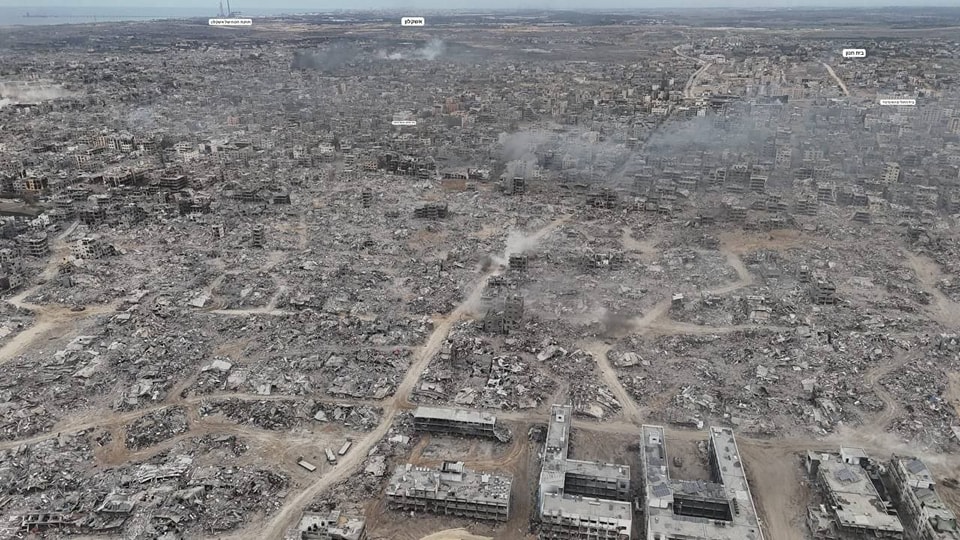
In the heart of Gaza City, what was once a vibrant neighborhood filled with families, markets, and laughter now lies in near-total destruction. Concrete slabs, twisted metal, and shattered glass stretch as far as the eye can see — the devastating result of weeks of relentless airstrikes and ground assaults.
This rare glimpse inside Gaza’s devastated neighborhoods offers a haunting picture of a community fighting to survive amid chaos. Entire apartment blocks have collapsed. Streets that once bustled with children and street vendors are now silent except for the distant rumble of drones and the sound of people searching for loved ones trapped beneath the debris.
“I can still hear the voices under the rubble,” said Aisha Al-Hassan, a mother of three who lost her home in the strikes. Standing before what used to be her apartment building, she clutched a torn photograph of her family. “We have nothing left — not even water, not even electricity. Only memories.”
The United Nations Relief and Works Agency (UNRWA) reports that more than 80% of Gaza’s population has been displaced, with hundreds of thousands seeking refuge in overcrowded shelters. Humanitarian groups warn that access to clean water, food, and medical supplies has reached a critical low. Aid convoys, though occasionally allowed through, face logistical and security challenges that prevent consistent delivery.
International organizations have repeatedly called for a humanitarian ceasefire, but fighting continues to intensify. Satellite imagery released this week shows entire districts of northern Gaza flattened, with infrastructure — including hospitals and schools — heavily damaged or destroyed. The World Health Organization (WHO) estimates that only a fraction of Gaza’s medical facilities remain operational, many running without fuel or anesthesia.
Journalists who entered the area under tightly controlled conditions describe scenes of despair and resilience in equal measure. Amid the destruction, families have set up makeshift camps, cooking over small fires and rationing scarce supplies. Children draw on broken walls with charcoal, while elders share stories of what their neighborhoods once were — thriving, noisy, full of life.
“This is not just rubble — it’s people’s lives, dreams, and histories,” said Ahmed Safadi, a local teacher volunteering with a rescue crew. “We dig not just for bodies, but for any piece of hope that tells us we can rebuild.”
Global reaction to the devastation has been swift. Governments and humanitarian agencies have intensified calls for safe corridors and unrestricted access for aid, while diplomats continue to debate the political future of Gaza.
As the conflict drags on, the human toll deepens — and the world’s attention briefly turns to the shattered streets where survival itself has become an act of defiance. For the people of Gaza, this rare look into their reality is not a headline — it’s daily life, lived among the ruins of what once was home.
Watch video below :