

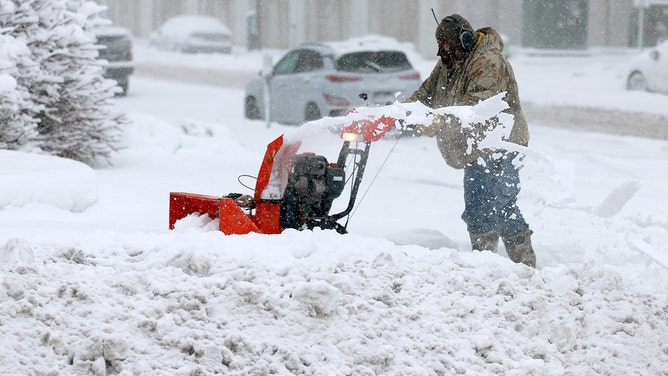
A historic winter storm is forecast to sweep across large parts of the country, with meteorologists warning that it could bring “catastrophic” ice conditions capable of crippling infrastructure, disrupting travel, and leaving millions without power.
Weather experts say the storm’s dangerous potential lies not only in heavy snowfall, but in a prolonged period of freezing rain and ice accumulation. When rain falls onto surfaces already below freezing, it can rapidly coat roads, power lines, trees, and buildings in thick layers of ice, creating one of the most hazardous winter weather scenarios.
“This is not a typical winter storm,” one senior meteorologist warned. “The ice buildup could reach levels that cause widespread tree damage, power outages, and extremely dangerous driving conditions.” Even a thin layer of ice can turn highways into skating rinks, while heavier accumulations may snap branches and down power lines.
Forecast models indicate that multiple regions could experience extended freezing rain, increasing the risk of long-lasting impacts. Transportation officials are already urging residents to avoid unnecessary travel, warning that emergency response times may be severely delayed once conditions deteriorate.
Air travel is also expected to be heavily affected. Ice storms often lead to flight cancellations and airport closures, as aircraft de-icing becomes more difficult and runways turn hazardous. Rail services and public transportation systems may face similar disruptions.
Beyond travel, the storm poses a serious threat to power grids and communication networks. Ice adds significant weight to power lines and transmission towers, increasing the likelihood of large-scale outages. Utility companies in several areas have begun staging repair crews in advance, anticipating prolonged restoration efforts if infrastructure is damaged.
Emergency management agencies are advising residents to prepare for extended power outages by stocking up on food, water, medications, batteries, and alternative heat sources. Officials also stress the importance of checking on elderly neighbors and vulnerable individuals who may struggle during prolonged cold conditions.
Experts note that ice storms are often more destructive than snowstorms because their impacts are less visible but more severe. “People tend to underestimate ice,” a weather analyst said. “But historically, the most damaging winter storms are the ones dominated by freezing rain.”
Climate scientists add that extreme winter weather events are becoming increasingly unpredictable, with rapid temperature swings creating ideal conditions for ice formation. While winter storms are not new, the combination of moisture, cold air, and duration expected with this system raises red flags.
As the storm approaches, authorities continue to monitor forecasts and issue updated warnings. Residents are urged to stay informed through official weather alerts and avoid taking unnecessary risks.
With the potential for catastrophic ice conditions, experts emphasize that early preparation and caution could make a critical difference in reducing injuries, damage, and disruptions as this historic winter storm unfolds.
Watch video below :


