

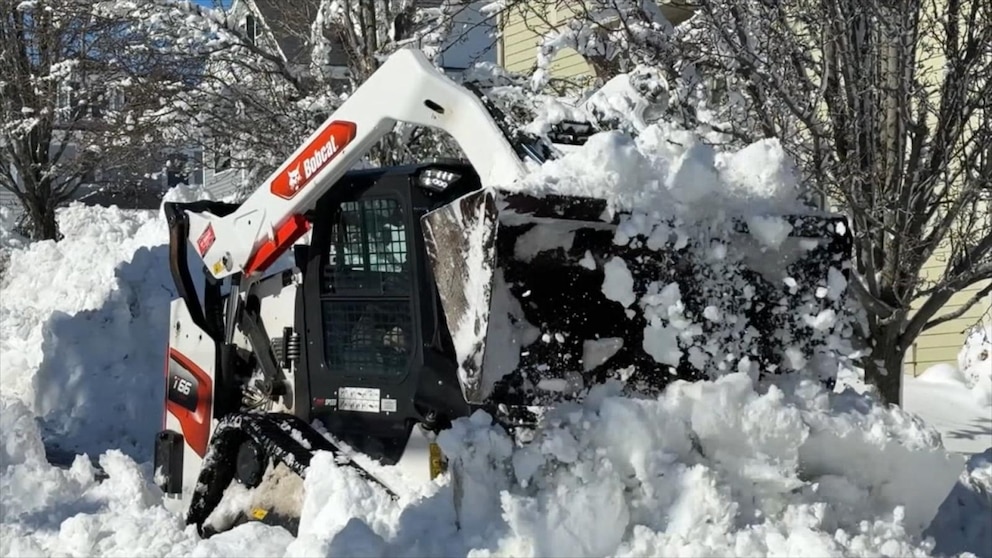
Millions of residents across the Northeastern United States are digging out after a historic winter blizzard blanketed parts of the region with more than three feet of snow, paralyzing transportation, shuttering schools, and straining emergency services.
The powerful winter storm system swept through major population centers, bringing heavy snowfall, fierce winds, and whiteout conditions. Meteorologists reported snowfall totals exceeding 36 inches in some areas, marking one of the most significant snowstorms in recent years. The blizzard also triggered widespread flight cancellations, highway closures, and power outages at the height of the storm.
Governors across several Northeast states declared states of emergency as snowplows worked around the clock to clear major roadways. Officials urged residents to stay off the roads unless absolutely necessary, warning that icy conditions and reduced visibility posed ongoing safety risks even after snowfall began to taper off.
Air travel was particularly hard hit, with thousands of flights delayed or canceled at major regional airports. Commuter rail lines and public transit systems experienced service suspensions, leaving many stranded. Local officials emphasized that recovery efforts would take days, especially in communities where snowfall totals topped three feet.
Beyond transportation disruptions, the blizzard’s impact extended to daily life. Schools and government offices closed across multiple states, while businesses either shut down or shifted to remote operations. Grocery stores saw long lines ahead of the storm as residents stocked up on essentials, anticipating prolonged disruptions.
Emergency responders conducted numerous welfare checks and assisted stranded motorists during the height of the storm. Authorities also warned about the dangers of shoveling heavy snow, particularly for older adults or those with underlying health conditions. Medical professionals advised taking frequent breaks and avoiding overexertion in freezing temperatures.
The extreme snowfall was fueled by a potent combination of Arctic air and abundant moisture, creating ideal conditions for heavy accumulation. Wind gusts exceeding 40 mph intensified the storm, causing drifting snow and further complicating cleanup efforts.
Utility companies reported thousands of customers without electricity at various points during the storm, though crews began restoring service as conditions improved. Officials cautioned that refreezing overnight temperatures could prolong hazardous travel conditions throughout the week.
While the worst of the blizzard has passed, forecasters continue to monitor lingering cold temperatures and potential follow-up systems. Residents are encouraged to remain vigilant, clear vents and hydrants near their homes, and check on vulnerable neighbors.
As communities across the Northeast begin the long process of recovery, the storm serves as a reminder of winter’s disruptive power — and the resilience required to endure it.
Watch video below :