

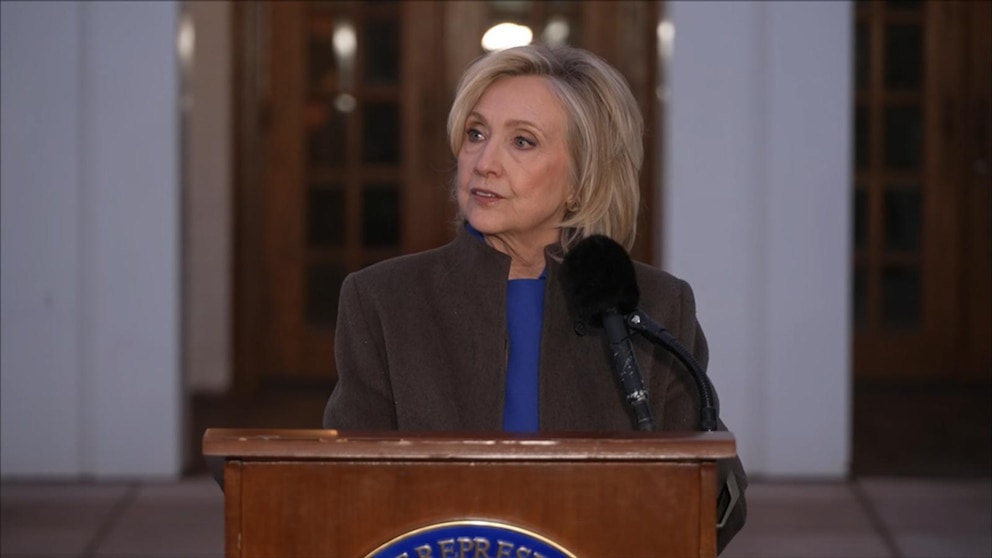
Former U.S. Secretary of State Hillary Clinton sharply criticized a recent House deposition related to convicted sex offender Jeffrey Epstein, calling the proceeding “partisan political theater” after completing hours of closed-door testimony before the Republican-led House Oversight Committee.
The high-profile Epstein hearing has reignited political tensions in Washington, drawing national attention as lawmakers continue to examine connections, associations, and unanswered questions surrounding Epstein’s criminal network. Clinton, who appeared under subpoena, firmly denied any meaningful relationship with Epstein and stated she had no relevant knowledge of his illegal activities.
Clinton Rejects Allegations in Epstein Investigation
In her opening remarks, Clinton reportedly emphasized that she neither maintained a personal relationship with Epstein nor possessed information pertinent to the broader investigation. She described the deposition as politically motivated, arguing that the focus on her amounted to a distraction from more substantive lines of inquiry.
Calling the session “partisan political theater,” Clinton accused committee Republicans of using the Epstein case to generate headlines rather than pursue genuine accountability. Her remarks immediately fueled debate across political circles and social media, intensifying coverage of the Epstein files and ongoing congressional probes.
Democratic members of the committee echoed her concerns, stating that no evidence has surfaced linking Clinton to Epstein’s criminal conduct. They characterized the hearing as an example of political grandstanding during a deeply sensitive investigation.
Political Fallout and Rising Tensions
The Epstein investigation has long carried bipartisan implications, as numerous public figures’ names have surfaced in various documents over the years. Among those frequently mentioned in broader discussions is President Donald Trump, though public records vary widely in context and interpretation. The case has also brought renewed scrutiny to former President Bill Clinton, who is reportedly expected to testify in connection with the same congressional review.
Observers note that the political sensitivity surrounding the Epstein files has transformed each hearing into a high-stakes event. The latest testimony was further complicated when reports surfaced that an unauthorized photo from inside the closed session was leaked, prompting a temporary pause in proceedings and intensifying partisan accusations.
Why the Epstein Hearing Matters
The Epstein investigation continues to command public interest due to the scale of his crimes and the breadth of his associations. Lawmakers have pledged to uncover whether influential individuals had knowledge of, or involvement in, Epstein’s illegal activities. For many Americans, transparency and accountability remain central concerns.
Clinton’s forceful response underscores how politically charged the inquiry has become. While Republicans argue that thorough oversight requires questioning all potentially connected figures, Democrats contend that selective targeting undermines the integrity of the process.
As the House Oversight Committee prepares for additional testimony, including appearances from other prominent figures, the Epstein case remains one of the most controversial political investigations in recent years.
Whether the hearings will produce significant new revelations or continue to deepen partisan divisions remains to be seen. What is clear, however, is that the Epstein investigation is far from over—and its political impact is likely to resonate well beyond Capitol Hill.
Watch video below :


