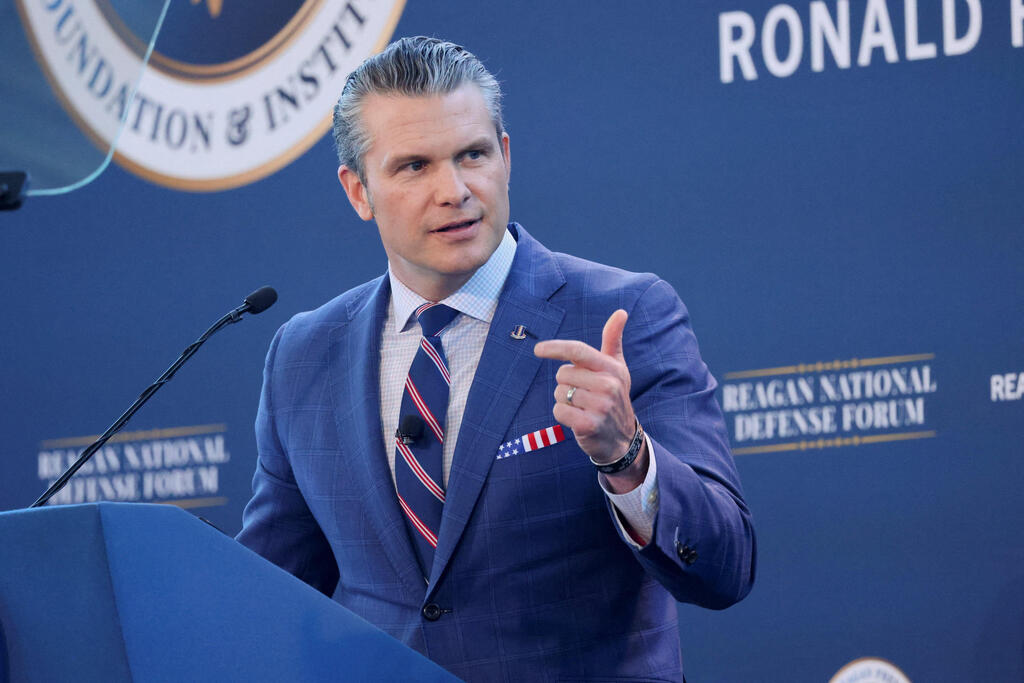
U.S. Defense Secretary Pete Hegseth has ignited intense national debate after publicly defending the controversial military strikes on alleged cartel-operated boats. Speaking at the Reagan National Defense Forum, Hegseth argued that President Donald Trump possesses full executive authority to use military force “as he sees fit” when acting to protect American national security interests. His remarks come amid scrutiny surrounding a series of deadly attacks that have already resulted in dozens of casualties across the Caribbean.
Hegseth framed the strikes as part of a broader campaign to target violent drug-trafficking networks, comparing cartel groups to modern terrorist organizations. According to him, the United States must adopt a “decisive, no-nonsense posture,” similar to the approach taken during the global war on terror. By elevating cartels to the same category as terrorism, Hegseth argued that military action is not only justified but essential for national defense.
However, this strong defense has only intensified criticism from legal experts, lawmakers, and human-rights organizations. Several strikes—most notably a September “double-tap” attack—allegedly targeted survivors who were clinging to debris after their vessel was destroyed. Analysts warn such actions may violate international humanitarian law, raising questions about proportionality, combatant status, and the legality of targeting incapacitated individuals.
The administration has faced growing bipartisan pressure to release full video and audio recordings of the strikes. Members of Congress insist that transparency is necessary to determine whether these operations adhered to the laws of armed conflict and whether the U.S. military followed established rules of engagement. Calls for investigations and official hearings are escalating, as concerns grow about possible violations and potential long-term diplomatic fallout.
Beyond the legal controversy, the strikes signify a major strategic shift in U.S. foreign and security policy. Traditionally, drug trafficking has been treated as a law-enforcement challenge. Targeting cartel boats with military firepower represents a dramatic escalation—one that could reshape America’s approach to narcotics trafficking and cross-border security. Critics warn that such operations risk destabilizing relations with Latin American partners and may provoke retaliation from cartel factions, further complicating regional security.
Hegseth dismissed these concerns, insisting that the United States must avoid “hesitation and political hand-wringing.” He emphasized the need for a hardened national-security agenda focused on operational strength, military readiness, and total commitment to eliminating threats before they reach U.S. shores.
As public pressure builds, several major questions remain: Will the administration release the strike footage? Will Congress open formal investigations? And will this aggressive anti-cartel strategy become a long-term pillar of U.S. national-security policy?
The coming weeks are likely to shape the future of America’s counter-cartel operations—and determine how far executive power can be extended in the name of national defense.
Watch video below :
:max_bytes(150000):strip_icc():focal(749x0:751x2)/Karoline-Leavitt-Expecting-Baby-No-2-122625-3ee9c9c5c0004741808a746cca98b9b2.jpg?w=350&resize=350,220&ssl=1 "White House Press Secretary Karoline Leavitt Announces Pregnancy, Expecting Baby Girl")




:max_bytes(150000):strip_icc():focal(749x0:751x2)/Karoline-Leavitt-Expecting-Baby-No-2-122625-3ee9c9c5c0004741808a746cca98b9b2.jpg?w=180&resize=180,130&ssl=1 "White House Press Secretary Karoline Leavitt Announces Pregnancy, Expecting Baby Girl")