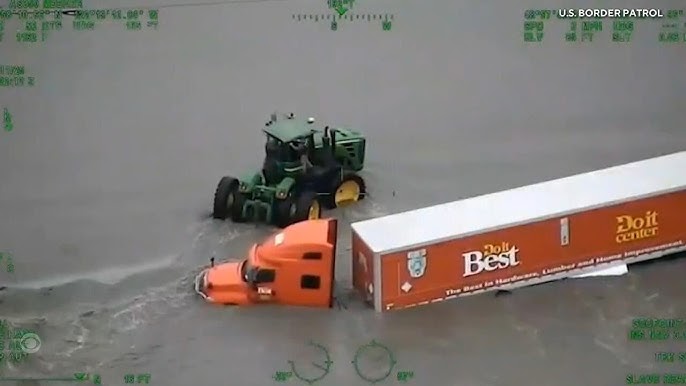
Parts of the western United States are grappling with a powerful winter weather system bringing heavy rain, significant snowfall, and hazardous conditions, prompting warnings from meteorologists and disruptions across multiple states.
The storm system has impacted large portions of California, the Pacific Northwest, and the Rocky Mountain region, delivering intense rainfall at lower elevations while dumping heavy snow in mountainous areas. Weather officials say the combination of rain, snow, and strong winds has increased the risk of flooding, mudslides, and dangerous travel conditions.
In California, persistent rain has raised concerns about flash flooding and debris flows, particularly in areas that were recently scarred by wildfires. Burned terrain is especially vulnerable, as rainwater can quickly turn into fast-moving mud and debris, threatening homes, roads, and infrastructure. Local authorities urged residents in high-risk zones to remain alert and follow evacuation guidance if issued.
Meanwhile, higher elevations across the Sierra Nevada and other mountain ranges have seen substantial snowfall. Some locations reported snow accumulation measured in feet rather than inches, leading to road closures and chain requirements on major highways. Transportation officials warned that travel through mountain passes could become impossible during peak snowfall periods.
Farther north, the Pacific Northwest experienced a mix of heavy rain in coastal and lowland areas and snow in interior regions. Urban flooding was reported in some communities as drainage systems struggled to handle the volume of rainfall. Emergency crews responded to downed trees and power outages caused by gusty winds accompanying the storm.
In the Rockies, winter storm warnings were issued as snow and freezing temperatures affected Colorado, Utah, and Wyoming. Ski resorts welcomed the fresh snow, but officials cautioned that avalanche risk could increase due to rapidly accumulating snow layers. Backcountry travelers were advised to avoid unstable slopes.
Meteorologists say the storm is being fueled by a strong flow of moisture from the Pacific Ocean, often referred to as an “atmospheric river.” While such systems can provide much-needed water for drought-prone regions, they also carry the potential for destructive flooding when rainfall becomes excessive.
Air travel was also affected, with delays and cancellations reported at several major western airports. Airlines advised passengers to check flight status frequently as weather conditions continued to evolve.
Forecasters expect the system to gradually move eastward, but lingering impacts could persist for several days. Additional rounds of rain and snow remain possible, keeping emergency officials on high alert.
As climate patterns shift, extreme weather events like this are becoming more frequent and intense, experts say. For now, residents across the western U.S. are urged to stay informed, limit unnecessary travel, and prepare for rapidly changing conditions as the storm continues to unfold.
Watch video below :