

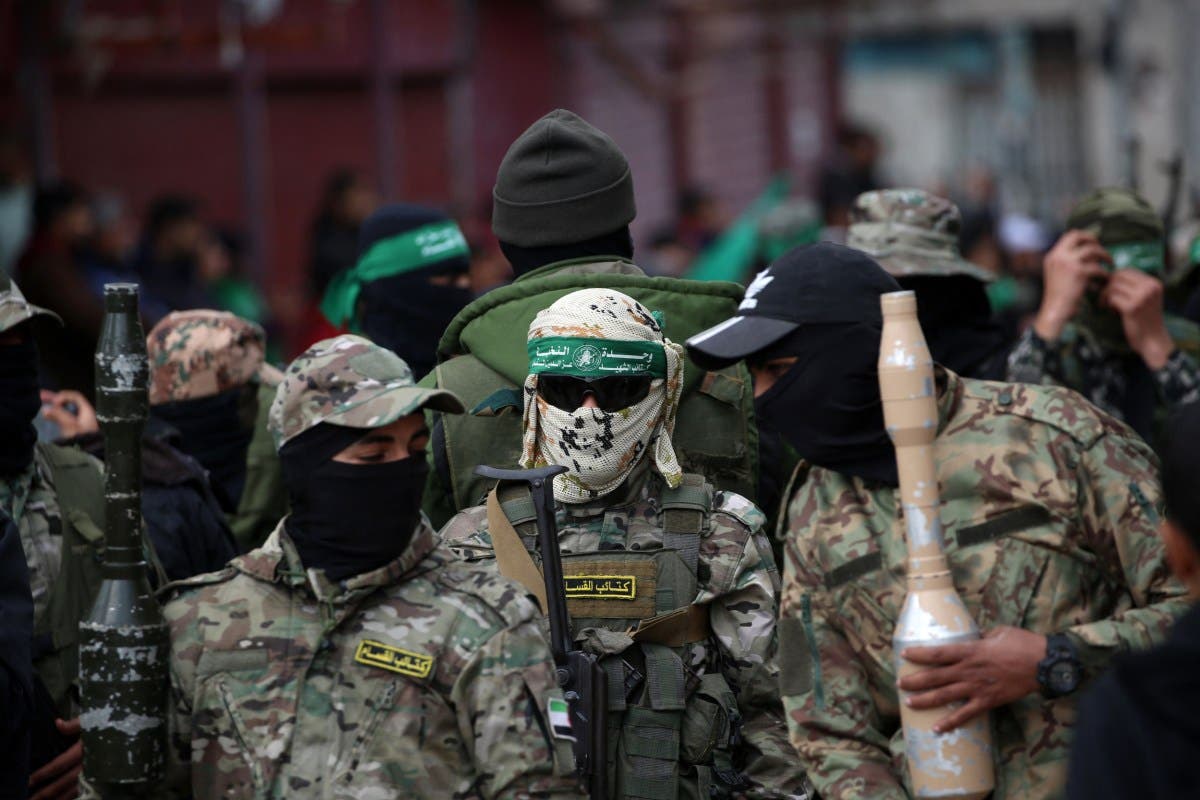
Gaza City — Hamas is signaling it may move toward acceptance of President Donald Trump’s 20-point Gaza peace proposal, according to regional sources and mediators close to the talks. The group is expected to deliver a formal reply to Egyptian and Qatari intermediaries in the coming days, amid mounting international pressure to end the conflict.
The U.S.-backed framework, drafted in coordination with Israeli Prime Minister Benjamin Netanyahu, lays out a comprehensive roadmap: an immediate ceasefire, phased Israeli troop withdrawals, a prisoner and hostage exchange, the gradual disarmament of Hamas, and interim governance of Gaza under a technocratic administration overseen by an international authority.
While these elements align with earlier diplomatic efforts, the proposal poses steep challenges for Hamas. The disarmament clause, along with provisions for foreign oversight of Gaza’s administration, remain especially controversial. Still, insiders say the group is leaning toward acceptance—motivated as much by regional dynamics as by the contents of the plan itself.
“Hamas knows that rejecting the proposal outright could leave it increasingly isolated,” one mediator explained. Several Arab states, including Egypt and Qatar, have signaled support for the framework, making it politically risky for Hamas to be seen as the primary obstacle to peace.
Hamas, however, is weighing reservations. Leaders want clarity on several points: what role, if any, Hamas will retain in Gaza’s future political structure; how prisoner exchanges will be sequenced; and what guarantees will be provided to ensure Palestinian rights are not eroded under international supervision. These uncertainties could fuel internal debates or complicate implementation even if the deal is initially accepted.
Analysts note that Hamas has been under unprecedented strain—militarily weakened, diplomatically cornered, and facing increasing criticism from Palestinians suffering under blockade and conflict. Against this backdrop, the Trump plan may represent both a risk and a potential lifeline.
International observers caution that the plan’s ambiguities could create new disputes once the process begins. Timelines for withdrawal, the scope of foreign authority, and enforcement mechanisms are loosely defined, raising questions about how much leverage either side would truly retain.
Still, mediators argue that momentum is shifting. “The choice for Hamas is stark,” one regional official noted. “Accept, and enter a new political reality with concessions. Or reject, and risk total isolation and continued devastation.”
For now, Hamas is carefully calibrating its next steps. A formal response is expected within days, but whether it will accept the plan in full, seek amendments, or stall for time remains uncertain. What is clear is that the group’s decision will have far-reaching implications—not only for Gaza’s future, but for the balance of power across the broader Middle East.
Watch video below :


