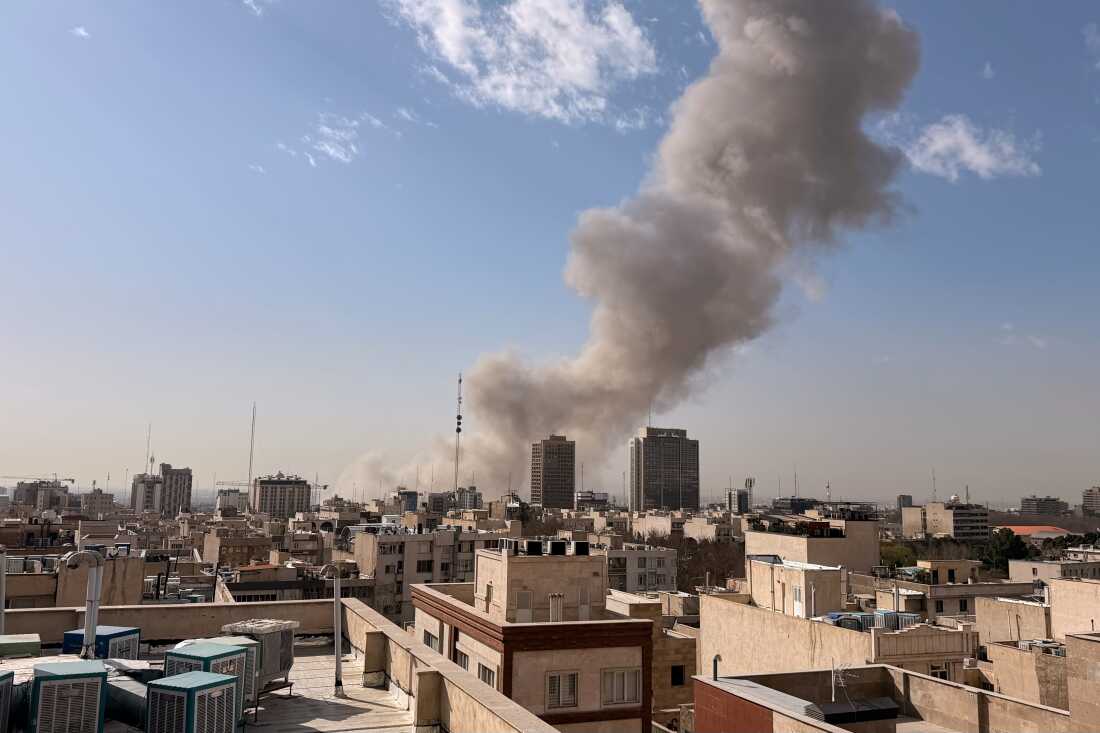
Iran is entering one of the most uncertain periods in its modern history following joint U.S.–Israeli military strikes that reportedly killed Ayatollah Ali Khamenei and several senior military figures. The developments have reshaped the regional security landscape and triggered urgent questions about Iran’s political stability, military response, and diplomatic future.
Here are the key areas shaping what comes next:
1️⃣ Continued Military Escalation
Tehran has already signaled that retaliation will not be symbolic. The Islamic Revolutionary Guard Corps (IRGC) is expected to remain central in coordinating drone, missile, and proxy responses across the region.
Potential next steps may include:
-
Targeted strikes against U.S. military installations in the Gulf
-
Increased activity by Iran-backed groups in neighboring countries
-
Cyber operations against Western infrastructure
While full-scale war is not inevitable, the risk of miscalculation is high. Each retaliatory move raises the stakes and narrows diplomatic space.
2️⃣ Leadership Transition and Internal Power Struggles
With Khamenei’s reported death, Iran faces a historic leadership vacuum. The constitutional process now shifts authority toward clerical institutions responsible for selecting a successor. However, the transition may not be purely procedural.
Key dynamics to watch include:
-
Competition between conservative clerics and political elites
-
Expanding influence of security institutions
-
Efforts to maintain regime continuity amid public uncertainty
Although Iran’s political system was designed to manage succession, the scale of current tensions adds unpredictability to the process.
3️⃣ Regional Instability
Neighboring Gulf states are on high alert following Iranian retaliation. Airspace disruptions, energy market volatility, and heightened military readiness have become immediate consequences of the strikes.
Strategic waterways such as the Strait of Hormuz — critical for global oil shipments — remain particularly sensitive. Even limited disruptions could send shockwaves through global energy markets.
Governments across Europe and the Middle East are urging restraint, aware that a broader regional conflict would have worldwide economic and security implications.
4️⃣ Diplomatic Breakdown
Prior to the strikes, diplomatic engagement around Iran’s nuclear program remained fragile but ongoing. That pathway now appears severely damaged.
Tehran may suspend or harden its nuclear posture in response to perceived existential threats. At the same time, Washington and its allies face pressure to balance deterrence with preventing uncontrollable escalation.
Emergency diplomatic efforts through international institutions are likely, but rebuilding trust in the short term will be extremely difficult.
5️⃣ Economic and Social Pressure Inside Iran
Even before the conflict escalated, Iran’s economy was strained by sanctions, inflation, and reduced foreign investment. Prolonged instability could deepen financial hardship.
Possible domestic consequences include:
-
Currency volatility
-
Rising consumer prices
-
Increased public frustration
While large-scale unrest is uncertain, economic stress combined with political transition creates additional pressure on governing institutions.
The Bottom Line
Iran’s immediate future will likely be defined by a combination of controlled succession efforts, calibrated military retaliation, and fragile diplomatic maneuvering. The coming weeks are critical.
Whether the crisis moves toward wider regional conflict or cautious de-escalation will depend on strategic decisions made not only in Tehran, but also in Washington, Jerusalem, and Gulf capitals.
The situation remains fluid — and the stakes extend far beyond Iran’s borders.
Watch video below :