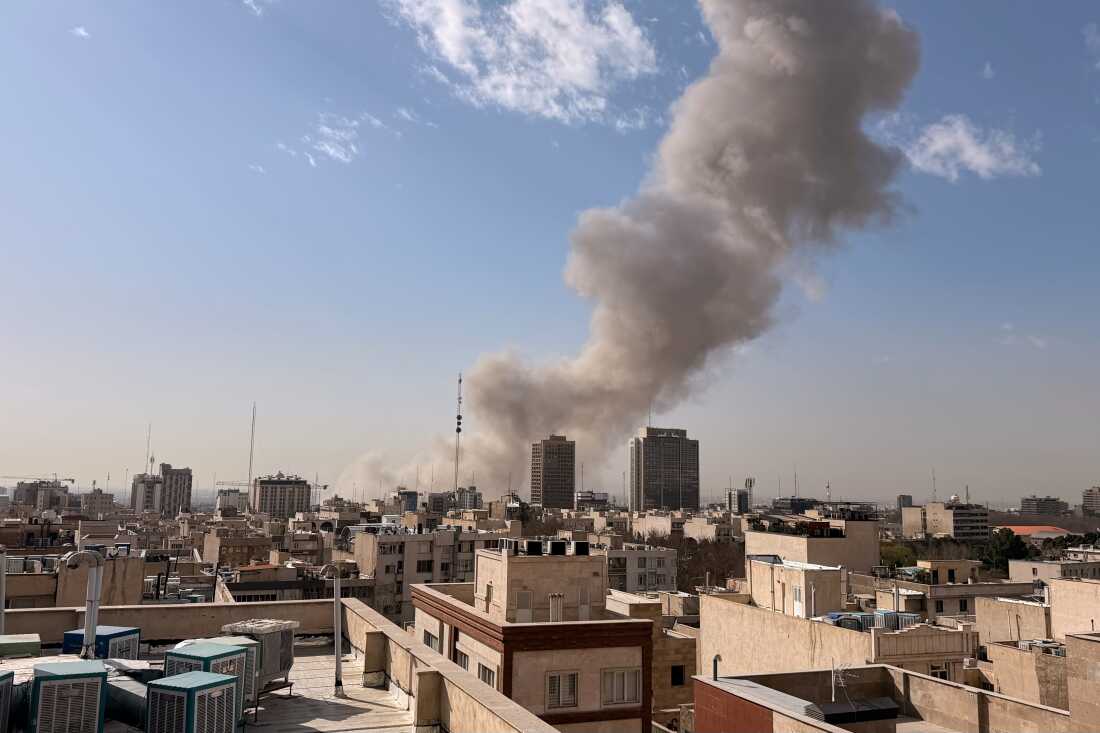
Air travel around the globe has been thrown into unprecedented disruption following a major U.S. and Israeli military operation against Iran, with airspace closures and airport shutdowns spreading chaos for passengers and airlines worldwide. The fallout from these strikes has revealed just how interconnected global travel is—and how vulnerable it can be when geopolitical tensions escalate.
In the immediate aftermath of the military strikes, which included attacks on Iranian targets and subsequent retaliatory missile and drone launches, countries across the Middle East quickly began closing or restricting airspace. Nations such as Iran, Iraq, Kuwait, Bahrain, Qatar, Israel and the United Arab Emirates suspended commercial flights while military activity remained high.
Major Airports Shut Down, Flights Cancelled
Some of the world’s busiest airports—the linchpins of international travel—were among the hardest hit. Dubai International Airport, a critical hub connecting Europe, Asia, Africa and the Americas, halted virtually all operations as airspace restrictions tightened. Key hubs in Abu Dhabi, Doha and Kuwait City also closed or reduced services dramatically, resulting in thousands of flight cancellations and reroutes.
According to aviation data firm Cirium, more than 1,800 flights were canceled just on Saturday, and delays soared into the tens of thousands globally. One major tracker reported that flights scheduled to fly over affected regions were severely reduced, and skies above five Middle Eastern nations appeared nearly empty as airlines avoided potentially dangerous zones.
Stranded Passengers Worldwide
The airspace closures didn’t just affect regional travel; they triggered global ripple effects that left travellers stranded far from home. Passengers bound for or transiting through Gulf hubs found themselves stuck in airports from Frankfurt to Bali with uncertain timelines for rescheduled flights. Many long-haul itineraries were diverted along longer routes to avoid restricted skies, driving up fuel costs and travel times.
Some airlines took additional steps by suspending services entirely to destinations in the Middle East and nearby regions. Carriers including Emirates, Qatar Airways, Lufthansa, Air France, British Airways, Turkish Airlines, Air India and others announced substantial cancellations or changes to their schedules in response to the rapidly shifting situation.
Travel Advisories and Safety Concerns
Governments around the world have updated travel advisories in the wake of the disruptions, urging citizens to avoid non-essential travel to affected regions and to stay updated on flight changes. Some nations have even issued emergency notifications to their citizens still in the Gulf, advising people to “shelter in place” due to unpredictable security conditions and the lack of commercial travel options.
Safety remains the top priority for airlines and aviation authorities, who emphasize that airspace closures are precautionary measures designed to reduce risk to civilian aircraft amid escalating military engagements.
What Comes Next?
As of now, there’s no timeline for when normal travel operations will resume. Aviation analysts warn that airspace closures could persist as long as the conflict remains unresolved. In the meantime, passengers are advised to stay in close contact with airlines, monitor advisory updates, and prepare for ongoing delays and schedule changes.
This evolving crisis is a stark reminder of how global travel networks can be upended overnight by conflict—affecting not just those in the immediate region but travellers across continents.
Watch video below :