

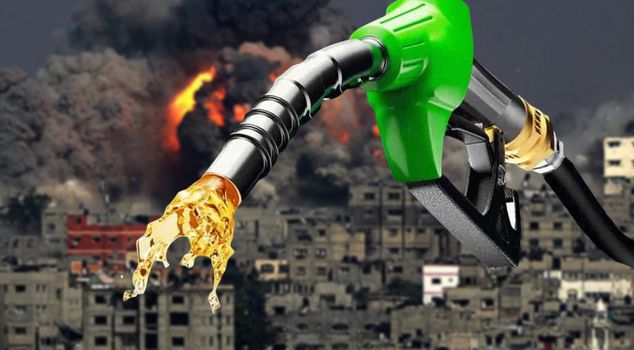
Global energy markets are on edge as gasoline prices are likely to rise following the recent military escalation involving Iran, the United States, and Israel. Analysts warn that even if the conflict remains contained, oil markets have already begun pricing in geopolitical risk — a move that could soon hit consumers directly at the pump.
Crude oil futures climbed sharply in early trading after news of the attack broke, reflecting fears of potential supply disruptions in one of the world’s most critical energy regions. The Middle East accounts for a significant share of global oil production, and any instability involving Iran immediately raises concerns about export flows and transportation routes.
A key focal point is the Strait of Hormuz, a narrow but vital shipping lane through which roughly one-fifth of the world’s oil supply passes each day. If tensions escalate and maritime traffic is threatened, oil prices could spike dramatically. Even without direct disruption, the mere risk of interference often adds a “fear premium” to global crude benchmarks.
Energy experts suggest that gasoline prices in the United States could increase in the coming days if crude continues its upward trajectory. While exact figures depend on how long tensions persist, analysts project that national average gas prices could rise noticeably in the short term. Similar price pressures are expected across Europe and parts of Asia, where fuel markets are closely tied to international crude movements.
Financial markets have also reacted swiftly. Oil companies saw stock volatility increase, while broader equity indexes reflected investor anxiety over inflation and economic stability. Higher fuel prices can ripple through supply chains, increasing transportation and production costs. That, in turn, may place upward pressure on consumer goods and services worldwide.
The scale of the price jump will largely depend on whether the conflict expands. A limited exchange with no direct impact on oil infrastructure could result in a moderate, temporary surge. However, if retaliation targets refineries, pipelines, or shipping lanes, oil prices could climb far more aggressively, potentially reaching multi-month highs.
For consumers, the immediate concern is affordability. Gasoline prices tend to respond quickly to spikes in crude oil, meaning drivers could see increases within days rather than weeks. Businesses reliant on transportation — from logistics firms to airlines — are also bracing for higher operational costs.
Despite the uncertainty, analysts emphasize that global oil reserves and strategic petroleum stocks could help cushion extreme shortages. Governments may intervene if prices rise too sharply, releasing reserves to stabilize supply.
For now, markets remain highly sensitive to headlines. As geopolitical developments unfold, volatility in crude oil and gasoline prices is likely to continue. Drivers and businesses alike should prepare for short-term price increases while keeping a close eye on diplomatic and military updates that could shape the next phase of the energy market response.
Watch video below :


