

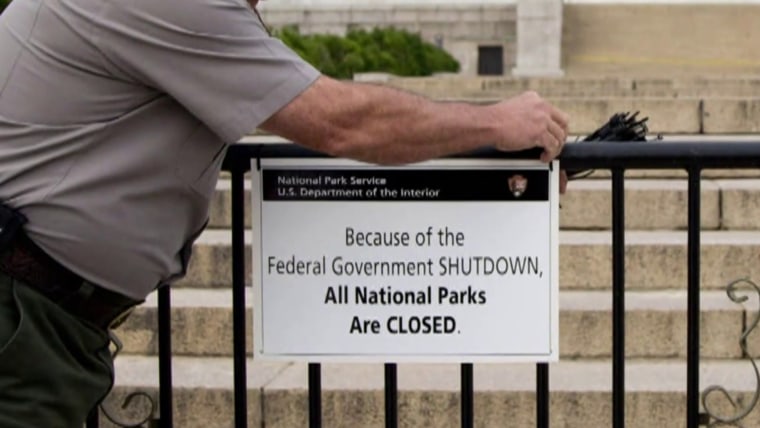
A political and economic storm is shaking Washington as thousands of federal workers receive layoff notices during the ongoing U.S. government shutdown. What started as a temporary funding standoff has now escalated into a sweeping workforce reduction—marking one of the most aggressive moves against the federal bureaucracy in decades.
According to the White House Office of Management and Budget, more than 4,000 federal employees across multiple agencies have been notified of impending Reduction-in-Force (RIF) terminations. Traditionally, government shutdowns trigger furloughs—temporary unpaid leaves—but this time, the administration has chosen to issue permanent layoff notices, signaling a more drastic approach to downsizing the federal government.
Why Are Federal Workers Being Laid Off?
The primary trigger is the ongoing budget impasse in Congress. Lawmakers have failed to pass funding bills, halting federal spending and leaving agencies unable to pay staff. However, analysts note that the administration is using the shutdown strategically—not just to manage funds, but to reshape the size and priorities of the federal workforce.
Officials describe the move as an effort to “align agencies with national priorities” and eliminate what they call “bureaucratic bloat.” Sources confirm that the layoffs are concentrated in departments such as Health and Human Services, Education, Treasury, and the Cybersecurity and Infrastructure Security Agency—areas the administration believes can operate more efficiently with fewer staff.
Another factor is long-term planning. Before the shutdown began, agency heads were instructed to prepare contingency RIF plans. These plans, now being executed, allow leadership to permanently reduce staff even without congressional approval for new budgets. It’s a bold—and legally controversial—tactic.
Legal and Political Backlash
Labor unions and watchdog groups have condemned the layoffs as unlawful and politically motivated. The American Federation of Government Employees (AFGE) has filed lawsuits claiming the administration is violating federal employment laws by executing layoffs during a funding lapse. Legal experts warn the process could take months to resolve, potentially delaying or reversing some termination notices.
Meanwhile, lawmakers on Capitol Hill are split. Supporters argue the cuts will reduce government waste and promote fiscal discipline. Critics say they weaponize the shutdown to dismantle essential public services and undermine career civil servants.
Economic and Social Impact
The consequences extend far beyond Washington. With agencies understaffed, public services could slow or halt entirely, from tax processing to cybersecurity operations. Financial markets have already reacted: the uncertainty surrounding federal payrolls and contracts has rattled investors and slowed consumer confidence.
For federal employees, the situation is devastating. Many face mortgage defaults, disrupted healthcare coverage, and uncertain reemployment prospects—especially if the shutdown drags on.
The Bigger Picture
Analysts say this moment represents more than a budget dispute—it’s a battle over the future of the U.S. government itself. If the layoffs proceed, they could permanently alter how federal agencies function and redefine the role of public service in America.
As negotiations continue, thousands of families await clarity. Whether these layoffs mark a temporary crisis or a long-term transformation of government remains to be seen.
Watch video below :


