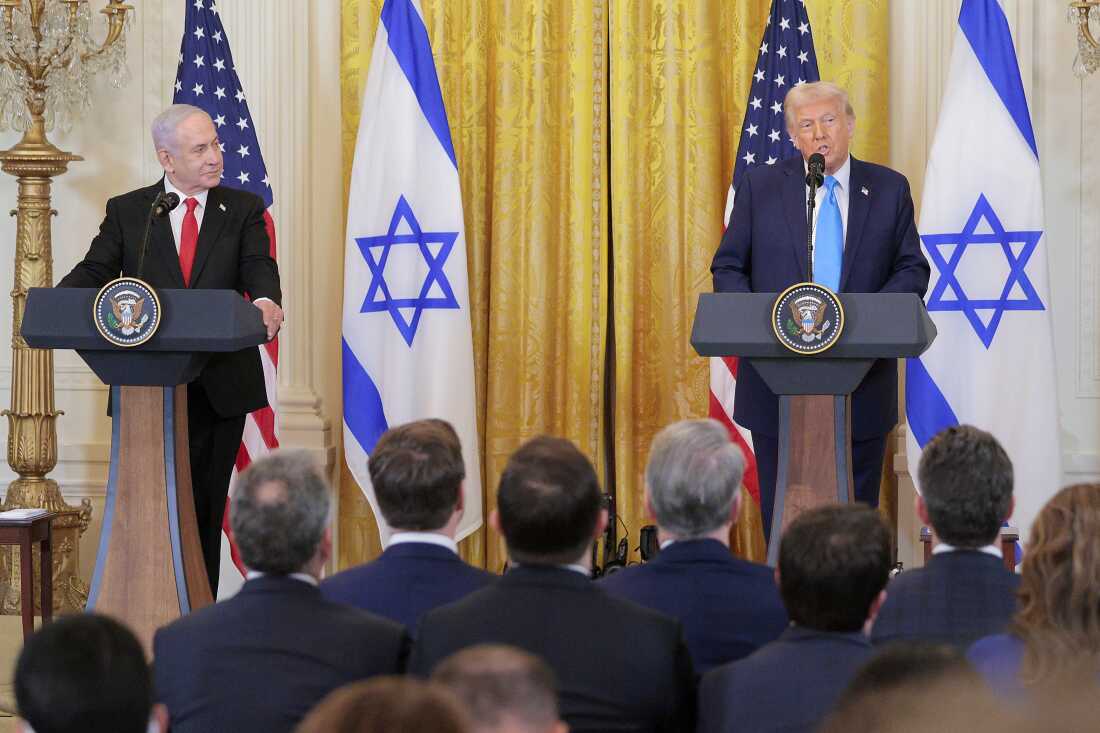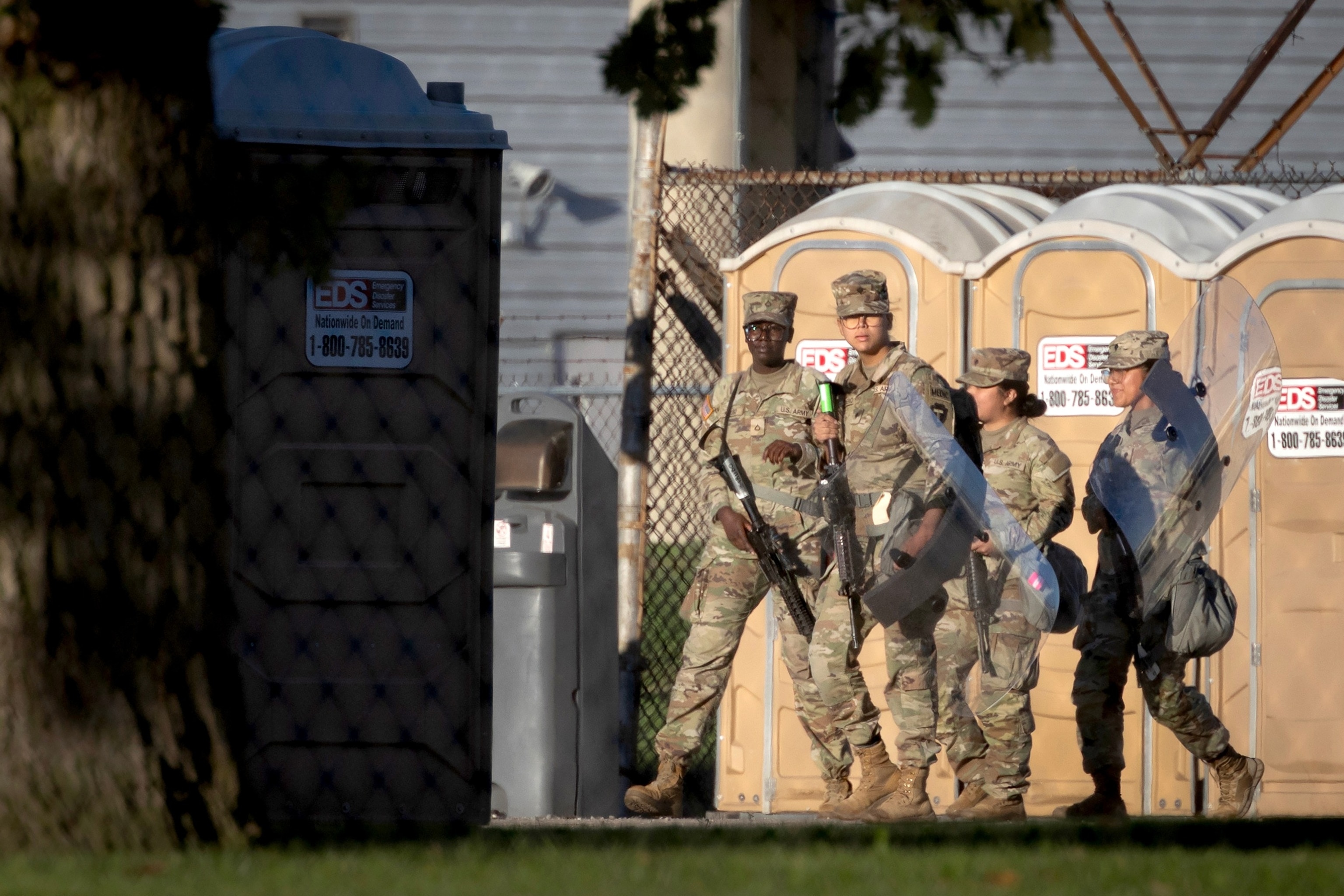
A federal appeals court has halted the Trump administration’s attempt to deploy National Guard troops in Illinois, marking a major legal setback in the White House’s effort to use federal military forces during domestic unrest. The 7th U.S. Circuit Court of Appeals ruled that while the troops may remain under federal control, they cannot be deployed for patrols, law enforcement, or the protection of federal property across the state.
Court Upholds Ban on Guard Deployment
The ruling upholds a previous decision by U.S. District Judge April M. Perry, who found that President Trump had not provided sufficient justification for invoking his emergency powers to send troops into Illinois. Judge Perry wrote that the administration’s claims of an “imminent danger of rebellion” lacked credible evidence.
In its decision, the appellate panel allowed the federalization of Guard members to stand — meaning they remain under federal command — but reaffirmed that they cannot engage in on-the-ground operations. The court emphasized that deploying military forces against civilians raises serious constitutional concerns under the Posse Comitatus Act, which restricts the use of the military for domestic law enforcement.
“This ruling is a clear message that presidential authority has limits,” said constitutional law expert Dr. Angela Morton. “You cannot use the National Guard as a political tool in moments of unrest.”
Illinois Leaders Applaud the Decision
Illinois Governor J.B. Pritzker praised the ruling, calling it “a victory for state sovereignty and public trust.” Chicago Mayor Brandon Johnson also commended the court for preventing what he described as “an unnecessary escalation” in an already tense environment.
“Our communities need support, not soldiers,” Johnson said. “We can ensure public safety through cooperation, not confrontation.”
The Trump administration had argued that the Guard deployment was essential to protect federal buildings and agencies amid protests and rising tensions in several major cities, including Chicago. However, critics accused the White House of overreach, claiming the move was politically motivated ahead of the upcoming election season.
Legal and Political Fallout
The decision highlights a broader national debate over the president’s power to deploy military forces within U.S. borders. Similar legal challenges have arisen in other states, including Oregon, California, and New York, where governors have resisted federal troop involvement.
The Department of Justice is expected to review the ruling before deciding whether to appeal to the U.S. Supreme Court. Legal experts say the outcome could shape the balance of power between state and federal authority for years to come.
As the controversy unfolds, both supporters and critics of the administration agree on one point: this ruling is one of the most consequential judicial rebukes of presidential emergency powers in recent history.
Watch video below :