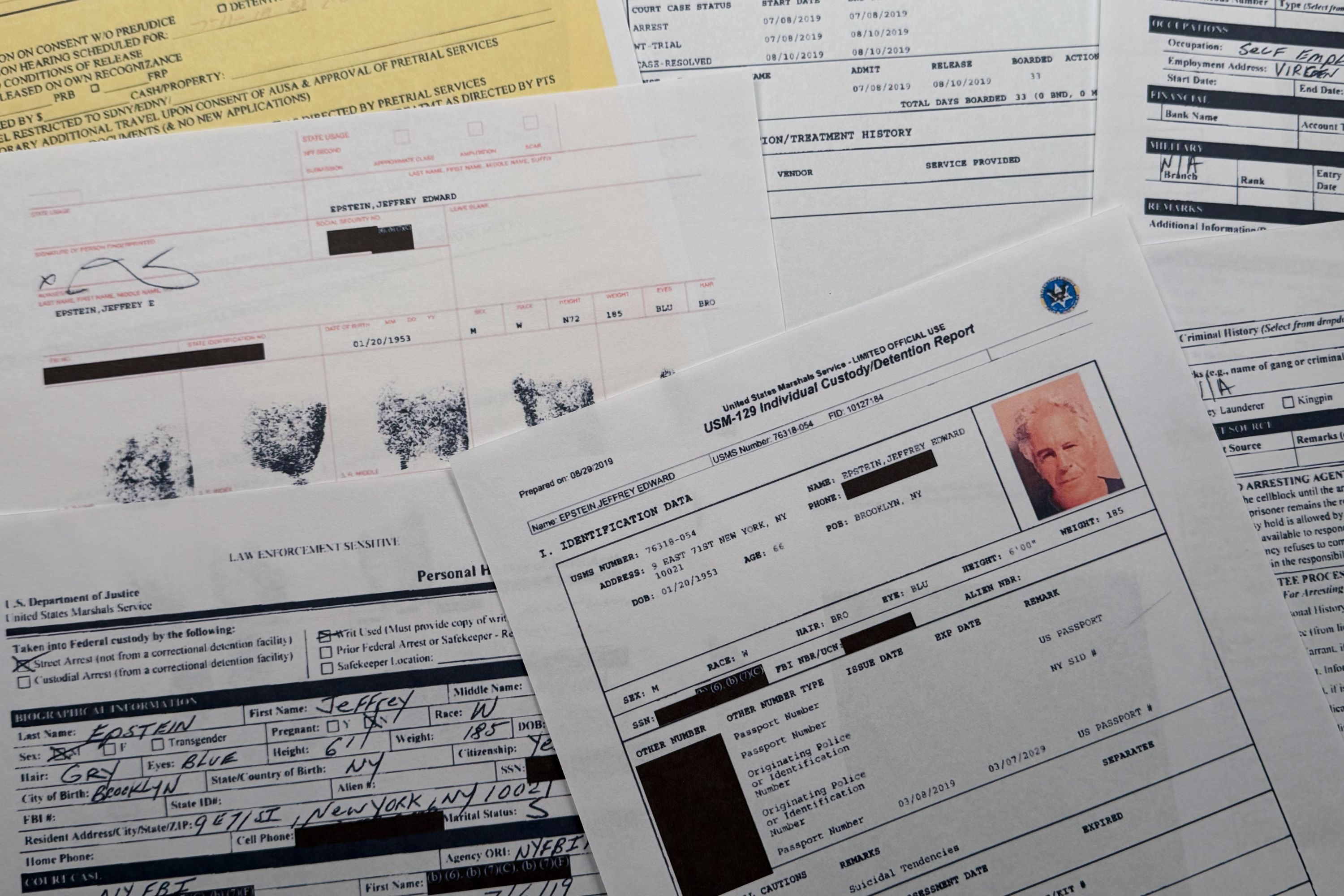
Survivors of convicted sex offender Jeffrey Epstein are calling for the immediate removal of thousands of documents released by the U.S. Department of Justice (DOJ), warning that serious redaction failures have exposed victims’ names and personal information, putting them at risk of harassment and harm.
The demand follows the DOJ’s recent release of a massive cache of records tied to Epstein’s criminal investigations, part of a broader effort to increase transparency surrounding one of the most notorious sex trafficking cases in modern U.S. history. However, attorneys representing Epstein survivors say the release has turned into a crisis after identifying widespread failures to properly redact sensitive information, including the identities of victims, some of whom were minors at the time of the abuse.
In urgent court filings and letters to federal judges in New York, survivors’ lawyers described the situation as an “emergency,” arguing that the government failed to meet its legal obligation to protect victims’ privacy. According to the filings, victims’ names appeared repeatedly across multiple documents, sometimes dozens of times within a single file, despite court orders requiring that such information be removed before publication.
Survivors and their advocates say the consequences have been immediate and severe. Some individuals report being targeted with online harassment, threats, and renewed public scrutiny — years after attempting to rebuild their lives in private. Attorneys argue that the DOJ’s mistakes have effectively re-traumatized victims who were promised anonymity and protection.
“The harm is not theoretical,” one legal filing states, emphasizing that once sensitive information is made public online, it can spread rapidly and permanently, beyond the government’s control.
In response to the backlash, the Department of Justice has acknowledged the redaction problems and confirmed that it has temporarily withdrawn thousands of documents while corrections are made. DOJ officials have characterized the errors as affecting only a small portion of the overall release, but survivors’ advocates strongly dispute that claim, insisting the scope and impact are far greater than suggested.
The controversy has reignited debate over how the government is handling the so-called Epstein Files, particularly amid intense public pressure for transparency. Lawmakers from both parties have demanded answers about Epstein’s network of associates and the government’s past handling of the case. At the same time, survivors’ groups warn that transparency must not come at the expense of victim safety and dignity.
Legal experts note that the situation highlights a persistent tension in high-profile criminal cases: balancing the public’s right to know with strict legal and ethical responsibilities to protect victims of sexual abuse. Failure to do so, they argue, risks undermining trust in the justice system and discouraging future victims from coming forward.
Survivors’ attorneys are now asking federal judges to order the DOJ to keep the files offline until all redactions are independently reviewed and verified. Some have also raised the possibility of further legal action if the government cannot guarantee that victims’ identities will remain protected.
As the courts consider next steps, the fallout from the release continues to grow. What was intended as a milestone in accountability and transparency has instead become a cautionary tale — underscoring that, in cases involving sexual violence, careless disclosure can cause real and lasting damage to those the justice system is meant to protect.
Watch video below :