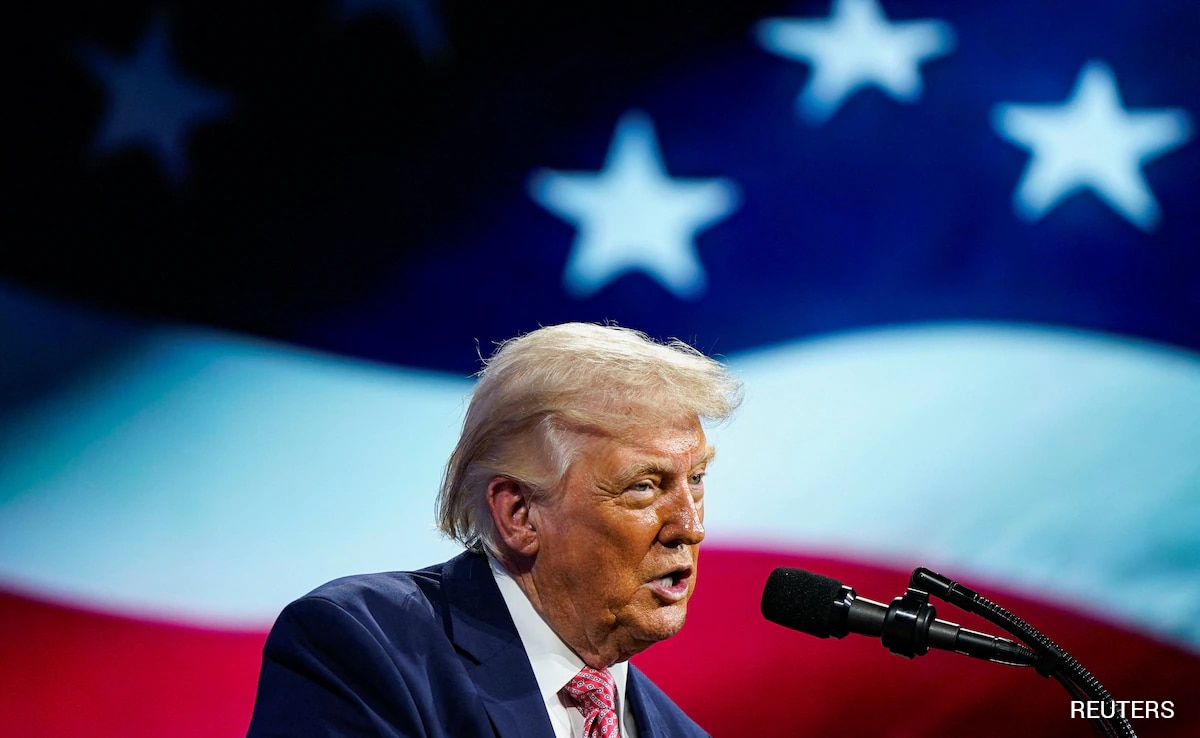
U.S. President Donald Trump has indicated that the United States could withdraw its involvement from Iran within the next two to three weeks, signaling a potential turning point in the ongoing geopolitical tensions in the Middle East. The statement has sparked widespread attention across global media, as it hints not only at a possible de-escalation of conflict but also at renewed prospects for diplomatic negotiations.
According to Trump, recent developments suggest that U.S. objectives in Iran may soon be achieved, allowing American forces to reduce or completely end their presence in the region. He emphasized that a formal agreement with Iran is possible, though not necessarily required, stating that “we’ll make a deal” remains a realistic outcome if both sides are willing to cooperate. The remarks have fueled speculation among analysts that diplomatic channels may already be active behind the scenes.
The possibility of a U.S. withdrawal from Iran has significant implications for international relations, global security, and energy markets. The Middle East remains a strategically critical region due to its vast oil reserves and its influence on global economic stability. Any shift in U.S. foreign policy toward Iran can affect oil prices, investor confidence, and diplomatic relationships among key global powers.
Experts note that tensions between the United States and Iran have long been shaped by concerns surrounding nuclear development, regional influence, and security alliances. Trump’s recent comments suggest a potential shift toward a more pragmatic approach, prioritizing negotiation and strategic outcomes over prolonged military engagement. If a deal is reached, it could redefine power dynamics in the Middle East and influence future international policy decisions.
Political analysts also highlight the importance of monitoring responses from Iran and allied nations. While some officials remain cautious, others see this as an opportunity to stabilize relations and avoid further escalation. The possibility of mediation involving regional partners or international organizations could play a key role in shaping the final outcome.
From an economic perspective, any reduction in geopolitical tensions could positively impact global markets, particularly the energy sector. Oil prices often react quickly to developments involving Iran due to the country’s role as a major oil producer. Investors worldwide are closely watching updates related to the situation, as stability in the Middle East often translates into increased market confidence.
As discussions continue, the international community remains attentive to signals from both Washington and Tehran. Whether the outcome results in a formal diplomatic agreement or a strategic withdrawal without a signed deal, the coming weeks are likely to be critical in shaping the future of U.S.–Iran relations.
With global attention focused on this evolving situation, Trump’s statement underscores the possibility that diplomacy could once again become a central tool in addressing one of the most complex geopolitical challenges of recent years.
Watch video below :