

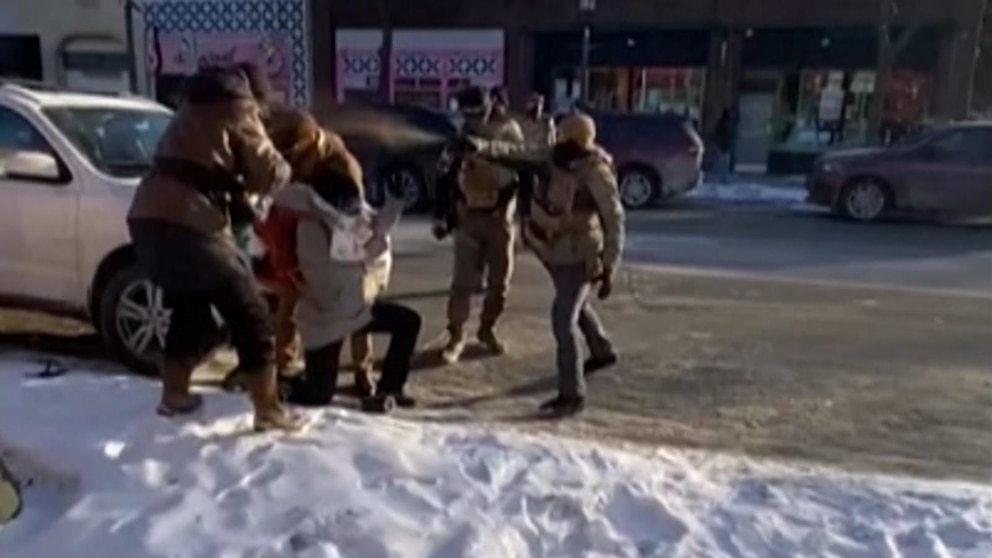
The U.S. Department of Homeland Security (DHS) has confirmed that body-camera footage from federal agents involved in the fatal shooting of Alex Pretti in Minneapolis is currently under official review. The announcement comes amid growing public pressure for transparency and accountability following the deadly encounter, which has sparked protests, legal challenges, and national attention.
Alex Pretti was killed during a federal law enforcement operation in Minneapolis, prompting immediate questions about the circumstances surrounding the use of lethal force. While DHS officials have acknowledged the existence of body-worn camera recordings, the footage has not yet been released to the public. Authorities say the review process is ongoing and involves multiple agencies examining whether protocols and use-of-force policies were properly followed.
The lack of immediate public disclosure has fueled criticism from civil rights advocates, local officials, and community leaders. Many argue that body-camera footage is critical to understanding what occurred during the encounter and whether the shooting was justified. Calls for transparency have intensified as conflicting accounts of the incident circulate, including statements from witnesses and bystander video shared on social media.
DHS has stated that preserving and reviewing the footage is a standard procedure in officer-involved shootings, particularly when federal agents are involved. Officials emphasize that the review is intended to ensure accuracy, protect the integrity of the investigation, and determine whether any violations of policy or law took place.
Minnesota state leaders and local authorities have expressed frustration over limited access to information following the incident. Some officials argue that delays in releasing evidence undermine public trust and deepen tensions between federal agencies and local communities. Legal efforts are underway to compel the preservation and potential release of all relevant materials, including video recordings, radio communications, and operational documents.
The shooting has also reignited broader debates over federal law enforcement tactics, oversight, and accountability. Critics contend that aggressive enforcement operations, particularly those involving immigration or multi-agency task forces, increase the risk of deadly encounters. Supporters of federal enforcement argue that agents face unpredictable and dangerous situations and must make split-second decisions to protect themselves and others.
Public reaction in Minneapolis has been swift and intense. Demonstrations calling for justice and transparency have drawn large crowds, while advocacy groups are demanding independent investigations into the shooting. Community leaders warn that failure to address concerns openly could further erode trust between residents and law enforcement institutions.
As the DHS review continues, pressure is mounting for the release of the body-camera footage. Legal experts note that such evidence often plays a decisive role in determining accountability and shaping public understanding of officer-involved shootings.
For now, the case remains under investigation, with no timeline announced for the completion of the review or the potential public release of video evidence. The outcome is expected to have significant implications not only for the parties involved, but also for the broader national conversation about law enforcement transparency, federal authority, and civil rights in the United States.
Watch video below :


