Law enforcement officials are conducting a criminal investigation into a federal agent involved in a controversial shooting in Chicago that left a U.S. citizen wounded and raised serious questions about the actions of immigration officers. The investigation comes after new video evidence and internal communications were released that contradicted earlier official accounts of the incident, prompting public outcry and legal challenges.
The case centers on the October 4, 2025, shooting of Marimar Martinez, a Chicago Montessori school teacher, who was struck five times by a U.S. Border Patrol agent during an operation known as Operation Midway Blitz in the Brighton Park neighborhood. Federal prosecutors initially charged Martinez with assaulting federal officers, claiming she had rammed agents with her vehicle — an allegation that has since been widely disputed.
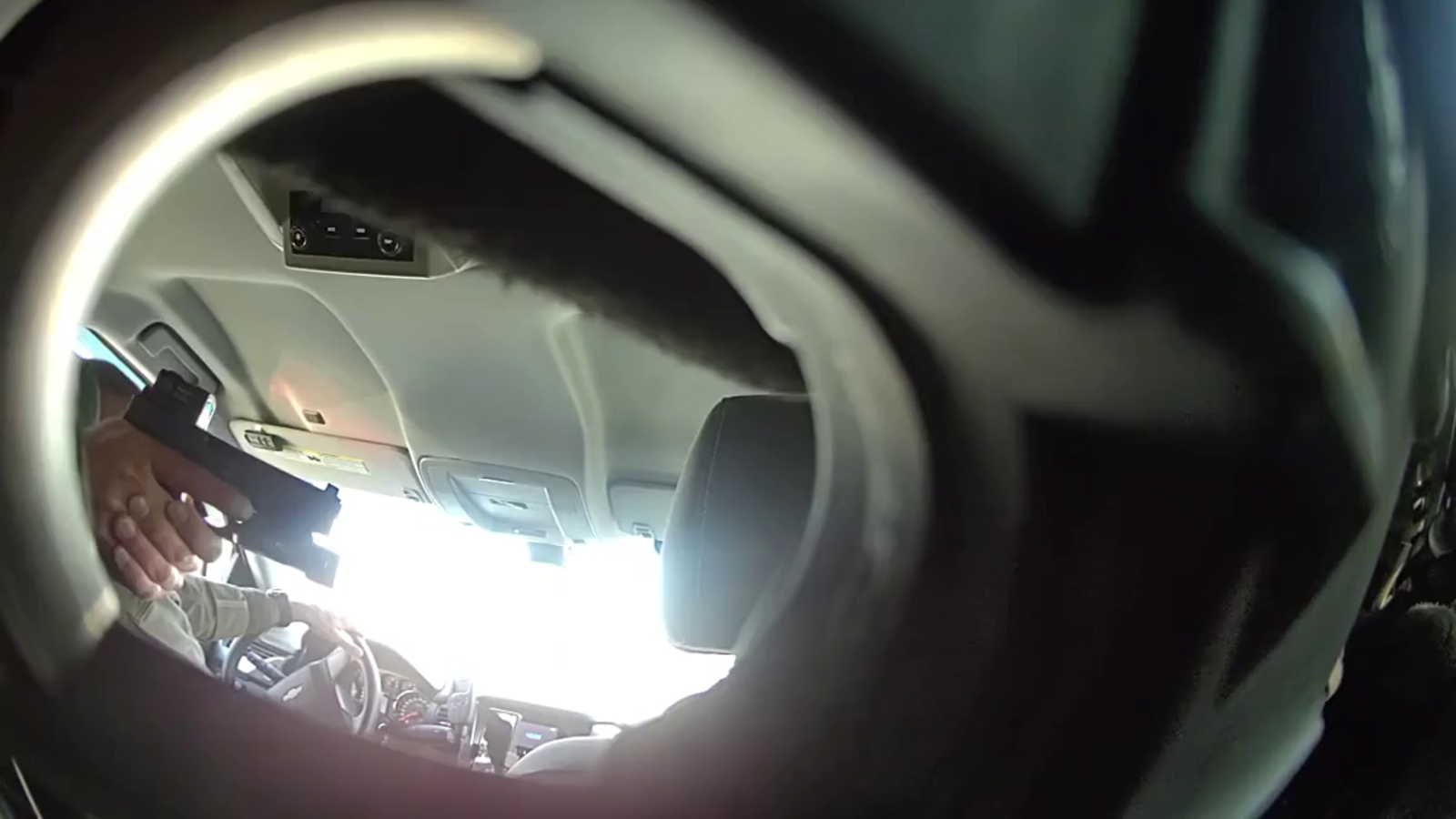
Last week, new body-camera footage and text messages were made public after a federal judge lifted a protective order. The video shows the agent’s vehicle appearing to move toward Martinez’s car before the agent exited and fired multiple shots. Text messages also reveal the agent bragging about the shooting to colleagues in the aftermath, further undermining the government’s original narrative.
The Border Patrol agent in question, identified in court documents as Charles Exum, was placed on administrative leave following the shooting. A spokesperson for the Northern District of Indiana U.S. Attorney’s Office declined to comment, citing the ongoing and “pending criminal investigation.” Martinez’s lawyers have said the investigation is now focused on Exum’s conduct rather than Martinez’s actions.
Martinez’s attorneys and civil rights advocates argue that the evidence contradicts earlier government claims that she posed a danger to officers, and they accuse the Department of Homeland Security (DHS) of misrepresenting key facts. Internal emails released as part of the evidence show a Border Patrol commander praising Exum shortly after the incident, drawing further scrutiny over how the agency handled — and defended — the use of force.
The criminal case against Martinez was dismissed in November 2025 with prejudice, meaning it cannot be refiled, and prosecutors acknowledged that the evidence and circumstances were under continuous review. However, that dismissal did not end federal scrutiny. Martinez’s attorneys have said they will pursue a civil lawsuit against DHS, claiming racial profiling, excessive use of force, and reputational harm from the government’s initial characterization of her as a “domestic terrorist.”
The case has drawn broader attention amid national debates over immigration enforcement practices, particularly in cities like Chicago where controversial operations have led to community protests and confrontations. Advocates for accountability and reform have pointed to the Martinez case as an example of the need for greater transparency and oversight of federal agents’ use of force.
As the criminal investigation continues, federal prosecutors and investigators are expected to review the body-camera footage, internal communications, and other evidence to determine whether any laws were violated in the shooting. The outcome could have significant implications for how federal immigration agents are held accountable for their actions and may influence ongoing debates over enforcement policies in Chicago and nationwide.
Watch video below :