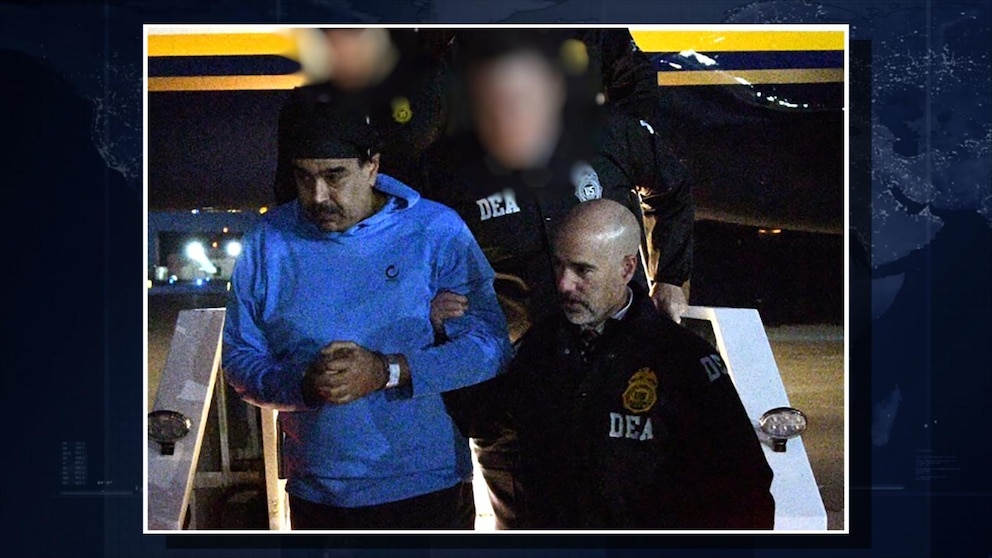
The U.S. military attack on Venezuela has triggered a wave of reactions across Capitol Hill, revealing deep divisions in Congress over the use of force, executive authority, and America’s role in Latin America. Lawmakers from both parties responded swiftly, with opinions ranging from strong support to sharp condemnation.
Supporters of the action argued that the strike was necessary to protect U.S. national security interests and counter what they described as years of instability, corruption, and criminal activity linked to Venezuela’s leadership. Several members of Congress praised the operation as decisive and overdue, claiming it sent a clear message that the United States will not tolerate threats in its hemisphere.
Some Republican lawmakers framed the attack as a demonstration of strength, asserting that firm action was required to restore order and deter hostile actors. They emphasized concerns over drug trafficking, regional security, and foreign influence in Venezuela, arguing that diplomatic efforts alone had failed to bring meaningful change.
However, the operation also sparked intense criticism, particularly from Democratic lawmakers and a number of libertarian-leaning Republicans. Critics questioned the legal basis for the attack and whether the president had the constitutional authority to authorize military action without explicit approval from Congress.
Several lawmakers cited the War Powers Resolution, arguing that any sustained military engagement requires congressional authorization. They warned that bypassing Congress sets a dangerous precedent and undermines the constitutional balance of power. Calls for classified briefings and public explanations quickly followed, with lawmakers demanding clarity on objectives, costs, and potential consequences.
Concerns were also raised about the risk of escalation. Critics warned that military action could destabilize the region, harm civilians, and draw the United States into a prolonged conflict. Some members of Congress emphasized the potential humanitarian fallout, noting that Venezuela’s population has already endured years of economic hardship and political turmoil.
Progressive lawmakers went further, accusing the administration of repeating past mistakes associated with U.S. interventions in Latin America. They urged a shift toward diplomacy, international cooperation, and humanitarian support rather than military force.
Congressional leaders from both parties acknowledged the gravity of the moment. While some called for unity behind the troops, others insisted that unity must not come at the expense of accountability. Committee chairs announced plans to hold hearings to examine the decision-making process and assess the broader implications for U.S. foreign policy.
The divided response reflects a broader debate in Washington over how the United States should engage with Venezuela and similar crises abroad. It also highlights ongoing tensions between the executive branch and Congress over war powers, an issue that has resurfaced repeatedly in recent decades.
As the situation in Venezuela continues to evolve, Congress is expected to play a more active role in shaping the next steps. Whether that leads to legislative action, funding restrictions, or renewed calls for diplomacy remains uncertain. What is clear is that the U.S. attack on Venezuela has reignited a contentious political debate that is far from over.
Watch video below :