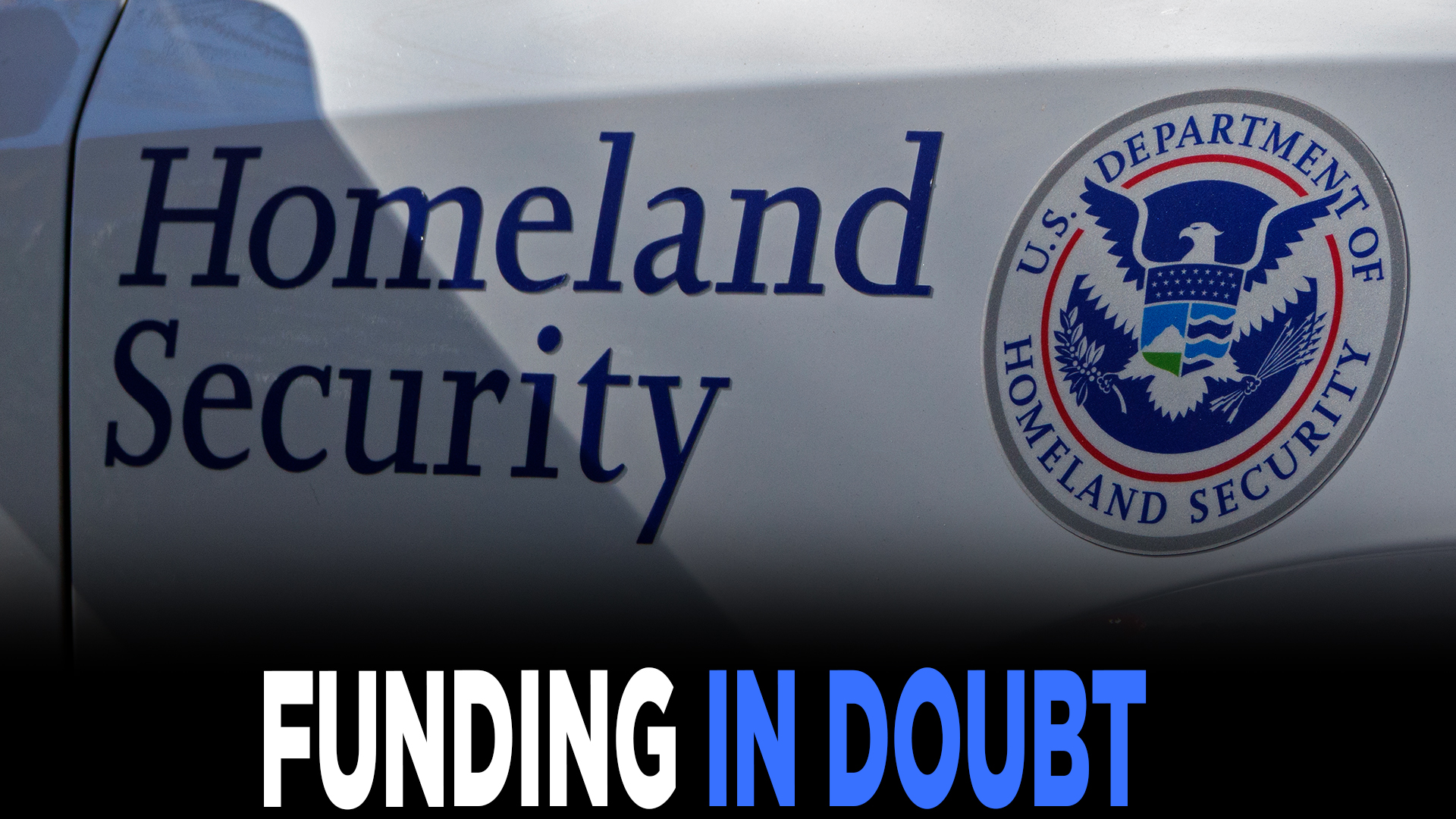
The U.S. Congress remains locked in a tense political standoff over funding for the Department of Homeland Security (DHS), leaving the agency partially shut down and critical services under increasing strain. Despite multiple attempts to pass a funding bill, lawmakers have yet to reach a consensus, prolonging uncertainty across key sectors such as airport security and border enforcement.
At the core of the dispute is not simply the budget itself, but deep disagreements over immigration policy. Democrats are pushing for provisions that would place limits on enforcement actions and reshape certain immigration practices. Meanwhile, Republicans insist that any funding bill must exclude such measures, arguing that they weaken national security. This fundamental divide has stalled progress, with both sides unwilling to compromise.
Several proposals have already failed in both chambers of Congress. Efforts to pass a full-year DHS funding bill have repeatedly been blocked, while alternative approaches—such as short-term funding measures or partial funding for specific agencies like the Transportation Security Administration (TSA)—have also fallen short. As a result, no viable legislative solution has been approved.
The consequences of the deadlock are becoming increasingly visible. With funding expired, parts of DHS are operating under shutdown conditions. Thousands of federal employees, including TSA officers responsible for airport screening, are working without pay. This has led to staffing shortages, longer wait times at airports, and growing frustration among travelers and workers alike.
Airline executives and industry leaders have urged Congress to act quickly, warning that continued disruption could have serious economic impacts. The longer the standoff continues, the greater the risk to both national security operations and public confidence in essential services.
Behind the scenes, lawmakers are exploring several possible paths forward. One option is a comprehensive funding agreement that resolves both budgetary and policy disputes. However, given the current political climate, this outcome appears difficult in the short term. Another possibility is a temporary funding bill, known as a continuing resolution, which would reopen DHS operations for a limited period while negotiations continue. While this approach could provide immediate relief, it would only delay the underlying conflict.
A third option involves passing targeted funding measures to support critical functions like airport security. Although this could ease pressure on travelers and key infrastructure, it remains controversial and has not gained sufficient support.
For now, the most likely scenario is continued gridlock. Until lawmakers find common ground, the DHS funding crisis is expected to persist, with real-world consequences affecting millions of Americans.
In the broader context, the situation highlights the challenges of governing in a deeply polarized political environment. As debates over immigration and national security intensify, resolving the DHS funding issue will require not only legislative action but also political compromise—something that remains in short supply.
Watch video below :