

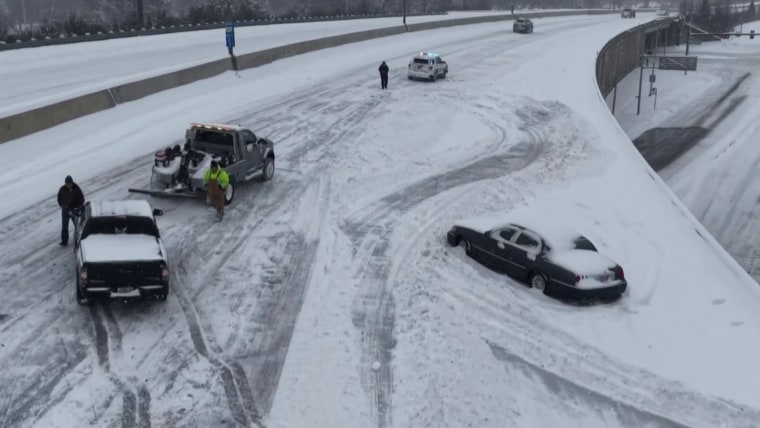
Cities across multiple regions have been brought to a near standstill as crippling ice and heavy snow blanket roads, neighborhoods, and critical infrastructure. The severe winter weather has disrupted transportation systems, shut down schools and businesses, and raised urgent concerns about public safety as conditions continue to deteriorate.
Meteorologists report that a powerful winter storm system has combined freezing rain, snow, and dangerously low temperatures, creating hazardous conditions across urban and suburban areas. Icy roads have made travel nearly impossible in many cities, leading to widespread traffic accidents, flight cancellations, and delays on major rail networks. Authorities have urged residents to stay off the roads unless absolutely necessary.
Emergency services have been stretched thin as first responders struggle to navigate slick streets and blocked highways. In some areas, ice accumulation on power lines and trees has caused widespread power outages, leaving thousands of residents without electricity or heat during dangerously cold conditions. Utility crews are racing against time to restore service, but ongoing weather conditions have slowed repair efforts.
City governments have declared states of emergency in several locations, activating warming centers and deploying snowplows, salt trucks, and emergency crews. However, officials acknowledge that the sheer scale and intensity of the storm has overwhelmed standard response measures. “This is not a routine winter event,” one city official said. “The combination of ice, snow, and sustained cold presents a serious risk to life and infrastructure.”
Airports have also been heavily impacted, with hundreds of flights grounded due to icy runways and reduced visibility. Airlines have issued travel advisories, allowing passengers to rebook flights without penalties as the storm system continues to move through the region. Public transit systems in several cities have reduced service or temporarily shut down, further complicating commutes for essential workers.
Hospitals and emergency shelters are reporting increased demand, particularly from vulnerable populations such as the elderly, unhoused individuals, and those without reliable heating. Health officials warn that prolonged exposure to extreme cold can lead to hypothermia and frostbite, urging residents to check on neighbors and follow safety guidelines.
Climate experts note that extreme winter weather events are becoming increasingly unpredictable, with rapid temperature swings contributing to dangerous ice storms. While snow is a familiar challenge in many northern cities, ice poses a far greater threat due to its ability to cripple infrastructure quickly and without warning.
Forecasters warn that conditions may remain dangerous for days, with refreezing expected overnight even after precipitation slows. Officials are advising residents to monitor local alerts, conserve energy, and prepare for extended disruptions.
As cities work to dig out from the storm, the impact of crippling ice and snow serves as a stark reminder of how vulnerable modern urban systems can be to extreme weather. Recovery efforts are expected to continue long after the skies clear, as communities assess damage and restore normal life.
Watch video below :


