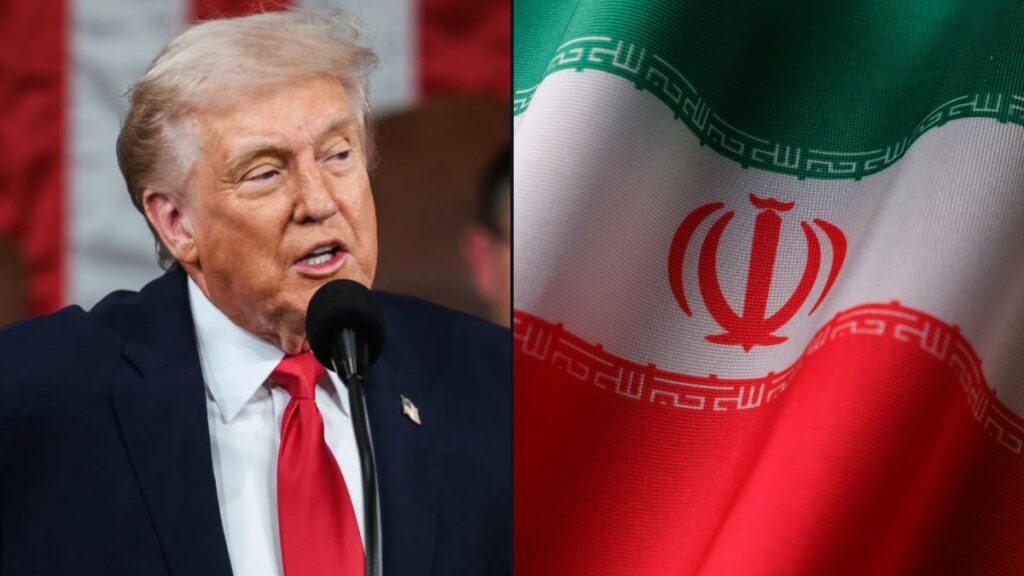
The escalating conflict between the United States and Iran has sparked fierce political debate at home, with Chris Hayes condemning President Donald Trump’s military campaign as “morally reprehensible.”
Speaking on his MSNBC program, Hayes argued that the U.S. strikes on Iran go beyond strategic or legal concerns and enter the realm of fundamental ethics. “It’s wrong,” he said, framing the military escalation as an unnecessary and dangerous conflict that risks severe humanitarian and geopolitical consequences. His remarks have amplified an already intense national conversation about the justification and long-term implications of the Iran war.
Growing Political Divide Over U.S. Military Action
Hayes’s criticism reflects broader concerns among some lawmakers and political commentators who question both the legal authority and moral basis for the strikes. Critics argue that launching sustained military operations without clear congressional authorization undermines constitutional checks and balances. They also warn that escalating hostilities could draw the United States into a prolonged regional war.
Supporters of the administration, however, defend the campaign as necessary to counter Iran’s missile capabilities and prevent potential nuclear advancement. The Trump administration has repeatedly described the strikes as targeted and strategic, designed to neutralize threats and protect U.S. personnel and allies in the Middle East.
Trump Administration Defends the Campaign
President Trump has maintained a firm stance, asserting that the United States will “easily prevail” and that the operation is progressing successfully. Administration officials argue that the military actions are defensive in nature and aimed at long-term stability. They emphasize that the objective is not regime change, but rather the reduction of Iran’s military capacity.
Defense leaders have also stressed that the campaign relies heavily on air and naval power, minimizing the likelihood of a prolonged ground war. Still, critics remain skeptical, warning that modern conflicts often expand beyond their original scope.
International Law and Moral Responsibility
Beyond domestic politics, the controversy touches on international law and global norms. Some analysts argue that without explicit authorization from the United Nations or a clear act of self-defense, large-scale strikes may raise legal questions under international frameworks. Hayes echoed these concerns, suggesting that moral leadership requires restraint and accountability, particularly when civilian lives and regional stability are at stake.
Broader Implications
The debate over Trump’s Iran war highlights the deep political polarization in the United States. For supporters, the campaign represents decisive leadership against a long-standing adversary. For critics like Hayes, it represents a dangerous escalation lacking sufficient moral and legal justification.
As military operations continue, the discussion surrounding ethics, legality, and national interest is likely to intensify. Whether public opinion shifts in response to unfolding events remains to be seen, but one thing is clear: the Iran conflict has reignited fundamental questions about the limits of presidential war powers and America’s role on the global stage.
Watch video below :