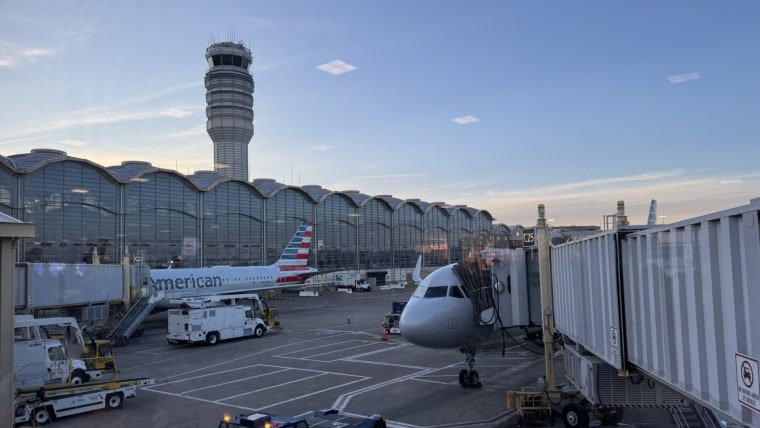
Air travel across the Washington, D.C. region was briefly disrupted after a strong chemical odor triggered a temporary ground stop at several major airports. Authorities halted flights while emergency teams investigated the source of the smell at a critical air traffic control facility.
According to the Federal Aviation Administration, the incident occurred at the Potomac Consolidated Terminal Radar Approach Control, a key center responsible for managing aircraft approaching and departing from airports across the Washington metropolitan area.
Because the facility coordinates air traffic for multiple airports, officials temporarily paused flights to ensure the safety of controllers and passengers while the situation was assessed.
Major Airports Affected
The ground stop impacted several major airports serving the nation’s capital and surrounding region. Among the airports affected were Ronald Reagan Washington National Airport, Washington Dulles International Airport, and Baltimore/Washington International Thurgood Marshall Airport.
Flights scheduled to depart from or arrive at these airports experienced delays as air traffic controllers temporarily suspended operations. Airlines were forced to adjust schedules while waiting for clearance from aviation authorities.
Passengers at terminals across the region reported waiting for updated flight information as the disruption unfolded.
Investigation Finds Equipment Issue
Emergency crews and technical specialists responded to the air traffic control facility to identify the cause of the unusual odor. After examining equipment inside the building, investigators determined that the smell was likely caused by overheating electronic components within the facility.
Authorities quickly addressed the problem and confirmed there was no ongoing safety risk to personnel working inside the building.
Once the issue was resolved, the FAA lifted the ground stop and allowed normal air traffic operations to resume.
Delays Continue After Flights Resume
Although flights eventually resumed, the temporary shutdown caused a ripple effect across the region’s air travel network. Airlines needed time to reposition aircraft and crews, which led to continued delays for several hours.
Aviation experts say even short disruptions at major air traffic control centers can quickly affect dozens of flights due to the high volume of traffic moving through the Washington area each day.
Safety Measures Remain a Priority
Incidents like this highlight the importance of safety protocols within the U.S. air traffic control system. When unusual conditions are detected at facilities that manage aircraft movements, operations may be paused until officials confirm that it is safe to proceed.
For travelers, the brief ground stop served as a reminder of how closely aviation authorities monitor potential hazards to ensure the safety of both passengers and aviation personnel.
While the chemical odor caused temporary disruption, authorities say the quick response helped prevent any larger impact on the region’s busy air travel system.
Watch video below :