A fragile ceasefire aimed at pausing the escalating Iran conflict is under serious threat after Israel expanded military strikes in Lebanon while Iran again closed the strategic Strait of Hormuz. The developments have heightened fears that the temporary truce could collapse, potentially reigniting wider regional conflict and disrupting global energy markets.
Israel Intensifies Military Operations in Lebanon
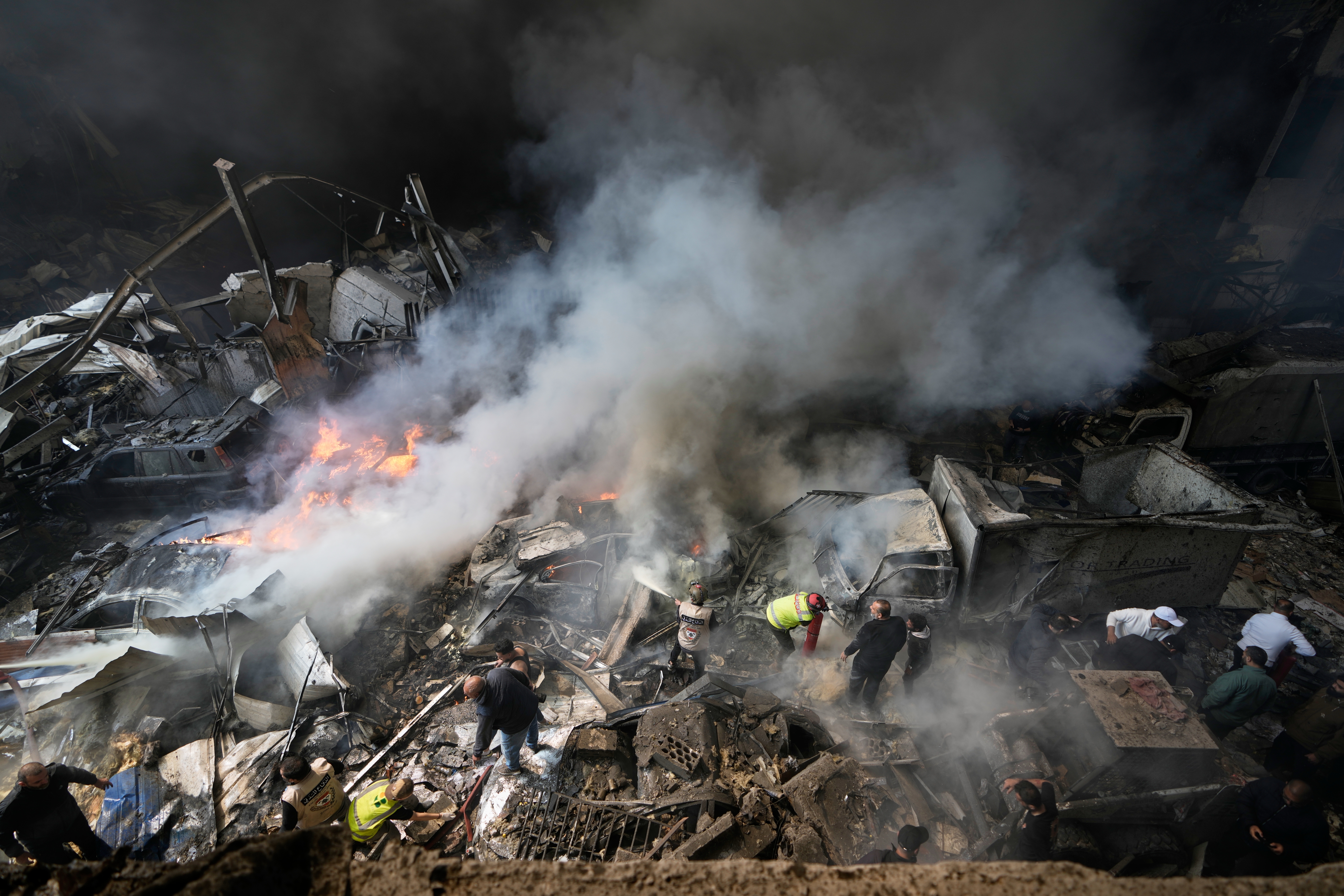
Israeli forces launched one of the most extensive waves of attacks in Lebanon since the conflict began, targeting positions linked to Hezbollah across Beirut, southern Lebanon, and the Bekaa Valley. Reports indicate that hundreds of casualties have been recorded following large-scale airstrikes that Israel described as necessary to weaken militant infrastructure.
Israeli officials have stated that the ceasefire agreement negotiated between the United States and Iran does not apply to military operations against Hezbollah in Lebanon. This distinction has contributed to confusion over the scope of the agreement and increased tensions between the parties involved.
Iran Responds by Closing Strait of Hormuz
In response to the expanding attacks in Lebanon, Iran moved to close the Strait of Hormuz once again, one of the most critical shipping routes for global oil supplies. The waterway handles a significant share of the world’s petroleum shipments, making any disruption a major concern for international markets and energy security.
Iranian officials have argued that the continued military pressure on allied groups violates the spirit of the ceasefire agreement. Some reports suggest Tehran is also considering new conditions for commercial shipping, including potential restrictions or transit fees for oil tankers moving through the strait.
Ceasefire Terms Remain Unclear
Diplomatic confusion persists regarding whether the ceasefire framework was intended to include Lebanon. Some international mediators suggested the agreement covered multiple fronts of the conflict, while U.S. and Israeli officials have maintained that operations against Hezbollah were never part of the deal.
The disagreement has complicated ongoing negotiations, with several countries urging restraint and emphasizing the need for a broader agreement that addresses regional security concerns beyond Iran alone. European leaders have expressed support for the ceasefire but warned that continued escalation could undermine diplomatic progress.
Global Implications for Energy and Security
Any prolonged closure of the Strait of Hormuz could significantly impact oil prices and global supply chains. Analysts note that uncertainty surrounding maritime access has historically led to volatility in energy markets due to the strait’s importance as a key transit chokepoint.
Meanwhile, ongoing strikes in Lebanon risk expanding the conflict geographically, potentially drawing additional regional actors into the crisis. Military analysts warn that without a clear agreement covering all fronts, the ceasefire may serve only as a temporary pause rather than a lasting solution.
Outlook
Diplomatic efforts are expected to continue as international mediators attempt to clarify ceasefire terms and prevent further escalation. However, the combination of continued military operations in Lebanon and renewed restrictions in the Strait of Hormuz underscores the fragile nature of the current truce.
Observers caution that unless a comprehensive agreement addresses both regional proxy conflicts and maritime security concerns, the risk of renewed hostilities remains high in the coming weeks.
Watch video below :