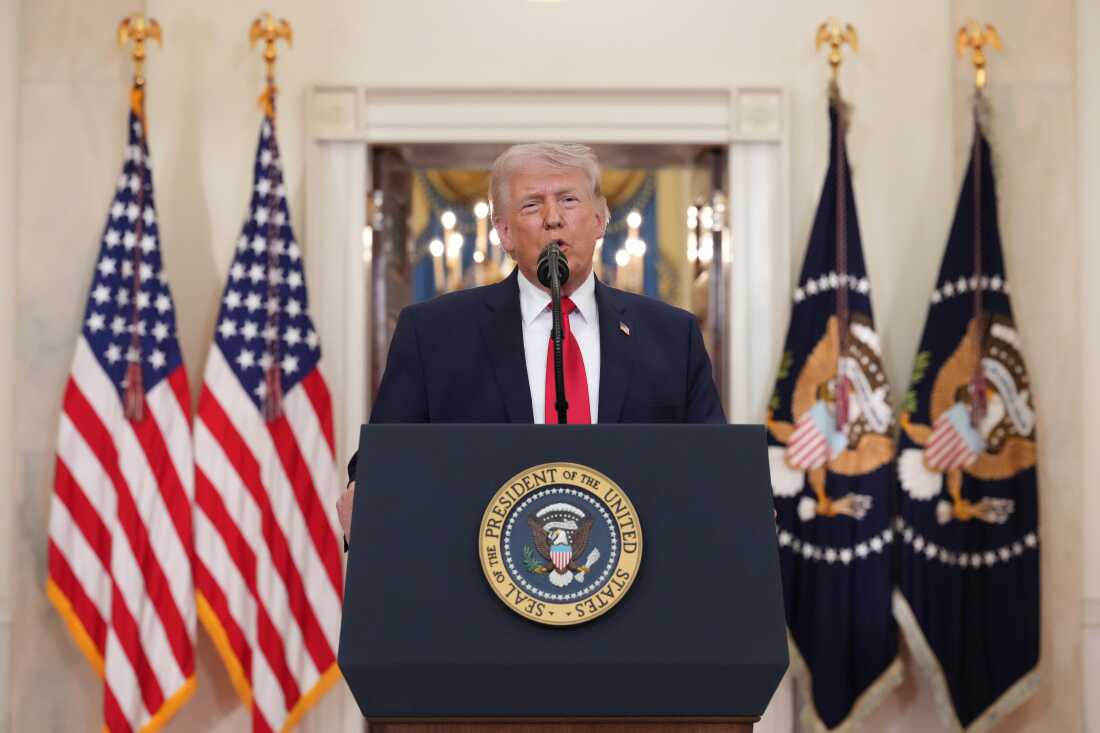
Donald Trump has announced a major policy shift just hours before his deadline for Iran to meet U.S. demands, agreeing to a two-week “double-sided ceasefire” aimed at preventing further escalation in the Middle East conflict.
The announcement comes after weeks of rising military tensions and strong rhetoric from Washington, including warnings that severe strikes could target key Iranian infrastructure if Tehran refused to comply with conditions related to maritime security and regional stability.
According to early reports, the temporary ceasefire is contingent on Iran ensuring the immediate reopening of the Strait of Hormuz, one of the world’s most critical energy corridors. Roughly 20% of global oil shipments pass through the narrow waterway, making it a key factor in global fuel prices and supply chain stability.
Trump stated that the agreement represents progress toward a broader long-term peace arrangement, noting that negotiators are already working from a proposed framework aimed at reducing military conflict in the region. The ceasefire was reportedly supported by diplomatic mediation efforts from Pakistan and includes cooperation from regional actors.
Earlier in the day, Trump had warned that failure to reach an agreement before the deadline could result in devastating military consequences, including potential attacks on critical infrastructure such as power plants and transport networks. The strong language drew international attention and prompted calls for restraint from global leaders.
Financial markets reacted quickly to the announcement, with oil prices dropping sharply as investors interpreted the ceasefire as a sign that a broader regional war might be avoided. Analysts say the next two weeks will be crucial for determining whether negotiations can produce a lasting diplomatic solution or whether tensions could escalate again.
While the ceasefire provides temporary relief, geopolitical risks remain high. Military analysts caution that the agreement is only an interim measure, and its success will depend on whether both sides maintain compliance and demonstrate willingness to compromise on key strategic issues.
The situation continues to evolve rapidly, with governments and global markets closely monitoring developments that could impact regional stability, international security, and global energy prices.
Watch video below :