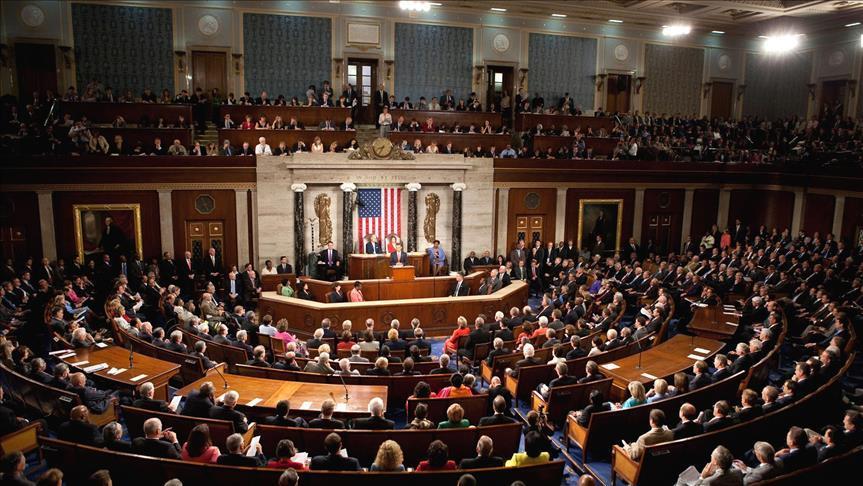
In a dramatic and highly anticipated moment on Capitol Hill, the U.S. House of Representatives has voted to pass the 2026 National Defense Authorization Act (NDAA)—a sweeping defense policy package that will shape America’s military posture for the coming year. The vote, which came after hours of intense floor debate and fiery partisan exchanges, officially advances one of the most significant and closely scrutinized national security bills of the decade.
The NDAA, an annual legislative cornerstone since the 1960s, authorizes hundreds of billions in defense spending, setting priorities for troop readiness, advanced weapons development, cybersecurity expansion, foreign military partnerships, and global force positioning. But the 2026 version has drawn even more attention than usual due to growing geopolitical tensions and fierce political divisions in Washington.
Lawmakers supporting the bill argue that the U.S. must modernize its military capabilities rapidly to counter rising threats from China, Russia, Iran, and increasingly unpredictable non-state actors. According to several senior members of the House Armed Services Committee, the 2026 NDAA includes critical investments in missile defense systems, artificial intelligence research, space-domain operations, and naval fleet expansion—upgrades they say are essential for maintaining American strategic superiority.
Opponents, however, criticized both the bill’s price tag and certain policy provisions folded into the legislation. Some lawmakers expressed concern that specific measures could escalate global conflicts rather than deter them, while others objected to what they described as politically motivated amendments unrelated to core defense needs. The debate grew particularly heated when members clashed over military personnel policies, foreign aid allocations, and the scope of executive authority during overseas operations.
Despite the controversies, the bill ultimately secured enough bipartisan support to clear the chamber. Political analysts note that while the NDAA typically passes every year, the margin of victory and the underlying tensions reveal deepening divisions over America’s long-term defense strategy. Still, the bill’s passage underscores Congress’s continuing commitment to ensuring stable funding for the U.S. military.
Now that the House has approved the 2026 NDAA, the legislation heads to the Senate—where another round of negotiations, revisions, and potential political battles awaits. Senate leaders have already signaled that they plan to introduce their own amendments, setting up what could be a contentious reconciliation process before a final version is sent to the President for signature.
As global threats evolve and military demands increase, the 2026 NDAA will play a decisive role in shaping U.S. defense readiness, foreign policy posture, and national security priorities. Whether the bill ultimately strengthens stability or fuels new disputes remains to be seen, but one thing is clear: the stakes surrounding this year’s defense authorization are higher than ever.
Watch video below :
:max_bytes(150000):strip_icc():focal(749x0:751x2)/Karoline-Leavitt-Expecting-Baby-No-2-122625-3ee9c9c5c0004741808a746cca98b9b2.jpg?w=350&resize=350,220&ssl=1 "White House Press Secretary Karoline Leavitt Announces Pregnancy, Expecting Baby Girl")





:max_bytes(150000):strip_icc():focal(749x0:751x2)/Karoline-Leavitt-Expecting-Baby-No-2-122625-3ee9c9c5c0004741808a746cca98b9b2.jpg?w=180&resize=180,130&ssl=1 "White House Press Secretary Karoline Leavitt Announces Pregnancy, Expecting Baby Girl")