

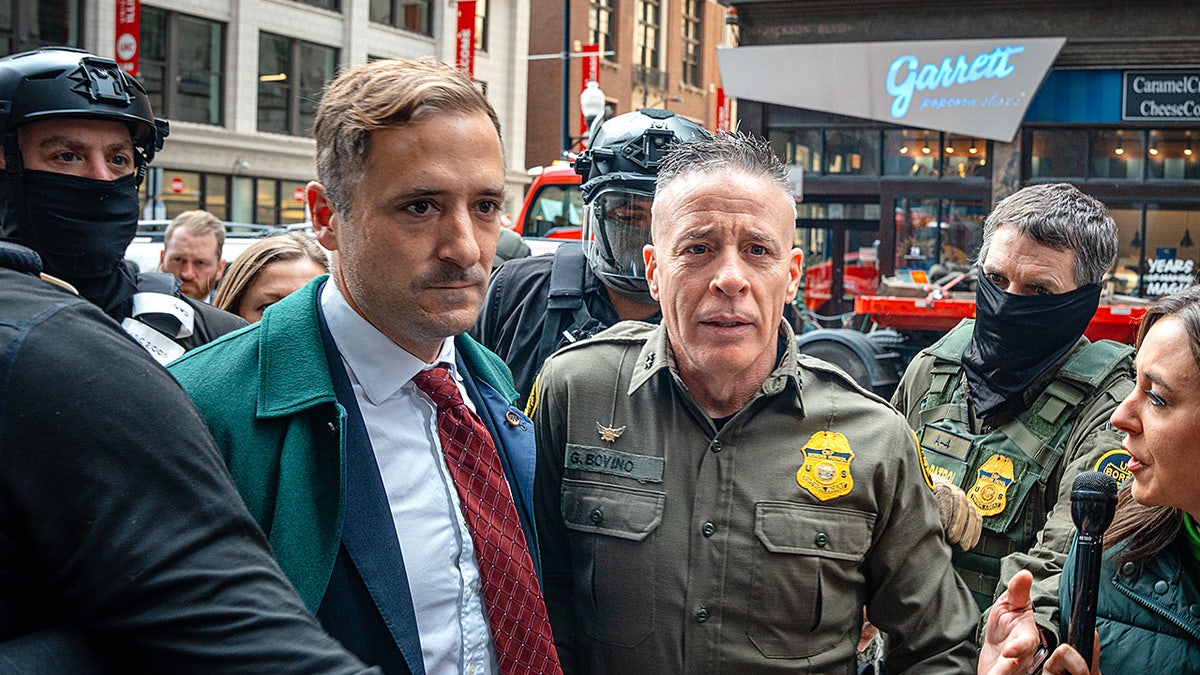
In a tense Chicago courtroom, Gregory Bovino, Chief of the U.S. Border Patrol’s enforcement operations, faced sharp questioning from Federal Judge Sara Ellis over the alleged misuse of tear gas during recent immigration crackdowns. The hearing has become a flashpoint in the ongoing national debate over law enforcement tactics and constitutional rights.
Judge Ellis demanded explanations after multiple reports and video footage appeared to show Border Patrol agents deploying tear gas in residential neighborhoods, despite a standing court order restricting such actions. The incidents reportedly took place during Operation Midway Blitz, a large-scale immigration enforcement campaign launched across the Chicago area earlier this month.
“These actions appear to directly violate the court’s restrictions,” Judge Ellis said, warning Bovino that “no officer is above the law.” The judge emphasized that public safety cannot come at the cost of constitutional protections for civilians, including the right to protest and assemble peacefully.
The controversy began after footage surfaced showing agents firing tear gas into a crowd that included children during a Halloween event in Chicago’s Pilsen neighborhood. Witnesses claim no verbal warning was given before the chemical agents were released. Civil rights groups quickly filed complaints, accusing the Border Patrol of excessive force and intimidation tactics against immigrant communities.
Bovino, appearing visibly tense, maintained that his agents acted “within operational guidelines” but admitted that internal reviews were still underway. In response, Judge Ellis imposed strict new oversight measures, including:
-
Mandatory daily briefings between Bovino and the court,
-
Full use-of-force reports submitted each evening,
-
A requirement for body-worn cameras on all agents,
-
And a ban on tear gas unless explicitly authorized by the court.
“The public deserves transparency,” Judge Ellis declared. “If these operations are to continue, they will be monitored closely—every single day.”
Civil liberties advocates hailed the ruling as a significant step toward accountability. “For too long, federal agencies have operated without consequence,” said the American Civil Liberties Union (ACLU) in a statement. “This decision sends a clear message that even the highest-ranking officials must answer to the law.”
The Biden administration, which has faced criticism for aggressive border enforcement tactics under both Democratic and Republican leadership, has yet to issue an official response. Political analysts warn that the case could become a national test of federal authority, potentially reshaping how immigration raids are conducted across U.S. cities.
For now, Bovino’s daily court appearances mark an extraordinary moment in the history of federal law enforcement oversight. As tensions rise between government authority and civil rights protections, the Chicago courtroom has become the stage for a defining battle over accountability, justice, and the limits of power.
Watch video below :


