

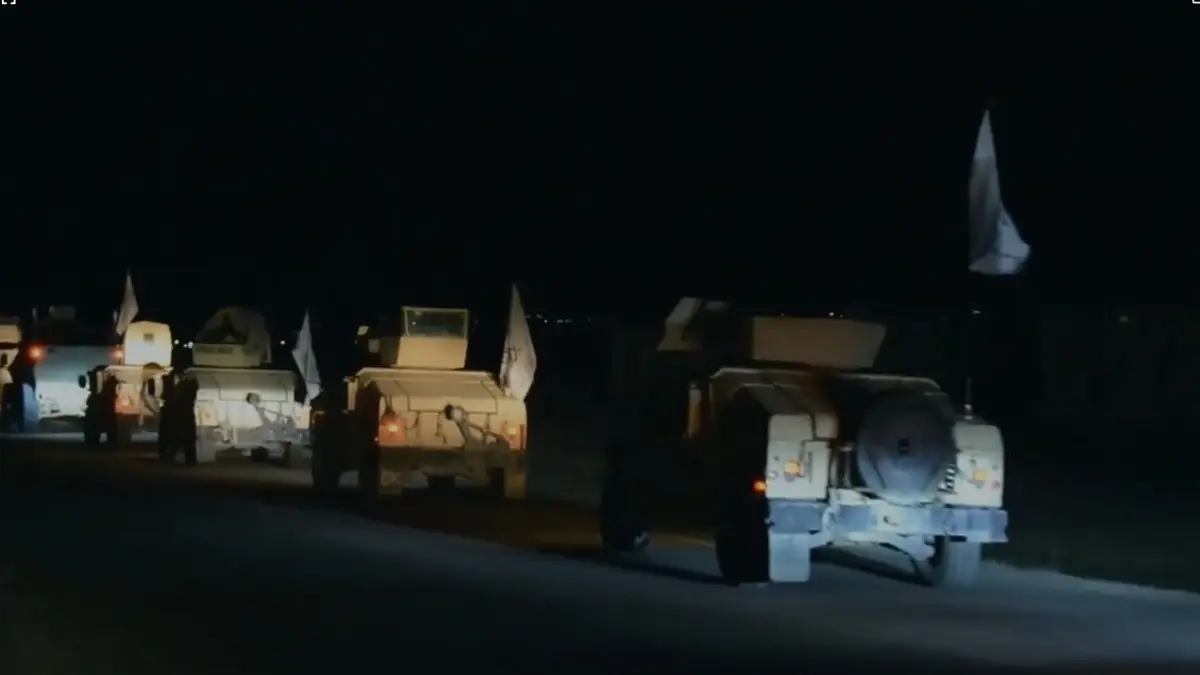
Tensions along the Afghanistan–Pakistan frontier have escalated after Afghanistan launched retaliatory strikes targeting border positions inside Pakistan, according to regional security sources. The cross-border exchange marks one of the most serious flare-ups in recent months between the two neighboring countries.
Afghan authorities said the strikes were conducted in response to earlier shelling they claim originated from Pakistani military positions. Officials in Kabul described the action as defensive and proportional, asserting that Afghan forces were responding to attacks on border communities.
Escalation Along the Disputed Frontier
The clashes reportedly took place near contested areas along the Durand Line, the long-disputed boundary separating Afghanistan and Pakistan. The Durand Line has historically been a flashpoint, with both governments trading accusations over militant activity and cross-border operations.
Pakistani officials stated that their border posts were targeted by artillery fire and confirmed casualties, though specific numbers have not been publicly disclosed. Islamabad condemned the strikes and warned that further aggression would be met with a firm response.
Afghan officials countered that Pakistani forces had initiated the confrontation by firing into Afghan territory, resulting in civilian displacement and property damage. Both sides have accused each other of violating sovereignty.
Broader Security Concerns
The Afghanistan–Pakistan border region remains volatile due to the presence of armed groups operating in mountainous terrain. Islamabad has repeatedly expressed concerns about militant sanctuaries inside Afghanistan, while Kabul has criticized Pakistani cross-border military actions.
Security analysts warn that continued exchanges could destabilize an already fragile region. Diplomatic channels are reportedly active behind the scenes, with regional stakeholders urging restraint to prevent a wider military confrontation.
The border clashes come at a sensitive time for both governments, each facing domestic security pressures and economic challenges. Any prolonged escalation could disrupt trade routes, humanitarian access, and regional cooperation efforts.
Calls for De-Escalation
International observers have called on both Afghanistan and Pakistan to exercise restraint and resolve disputes through diplomatic dialogue. Cross-border military exchanges risk inflaming tensions that have persisted for decades.
While neither side has indicated plans for a broader military campaign, the retaliatory strikes underscore how quickly localized border incidents can escalate into significant geopolitical events.
As investigations continue into the initial trigger of the clashes, regional leaders are expected to push for renewed communication mechanisms aimed at preventing future flare-ups along the Afghanistan–Pakistan border.
Watch video below :


