

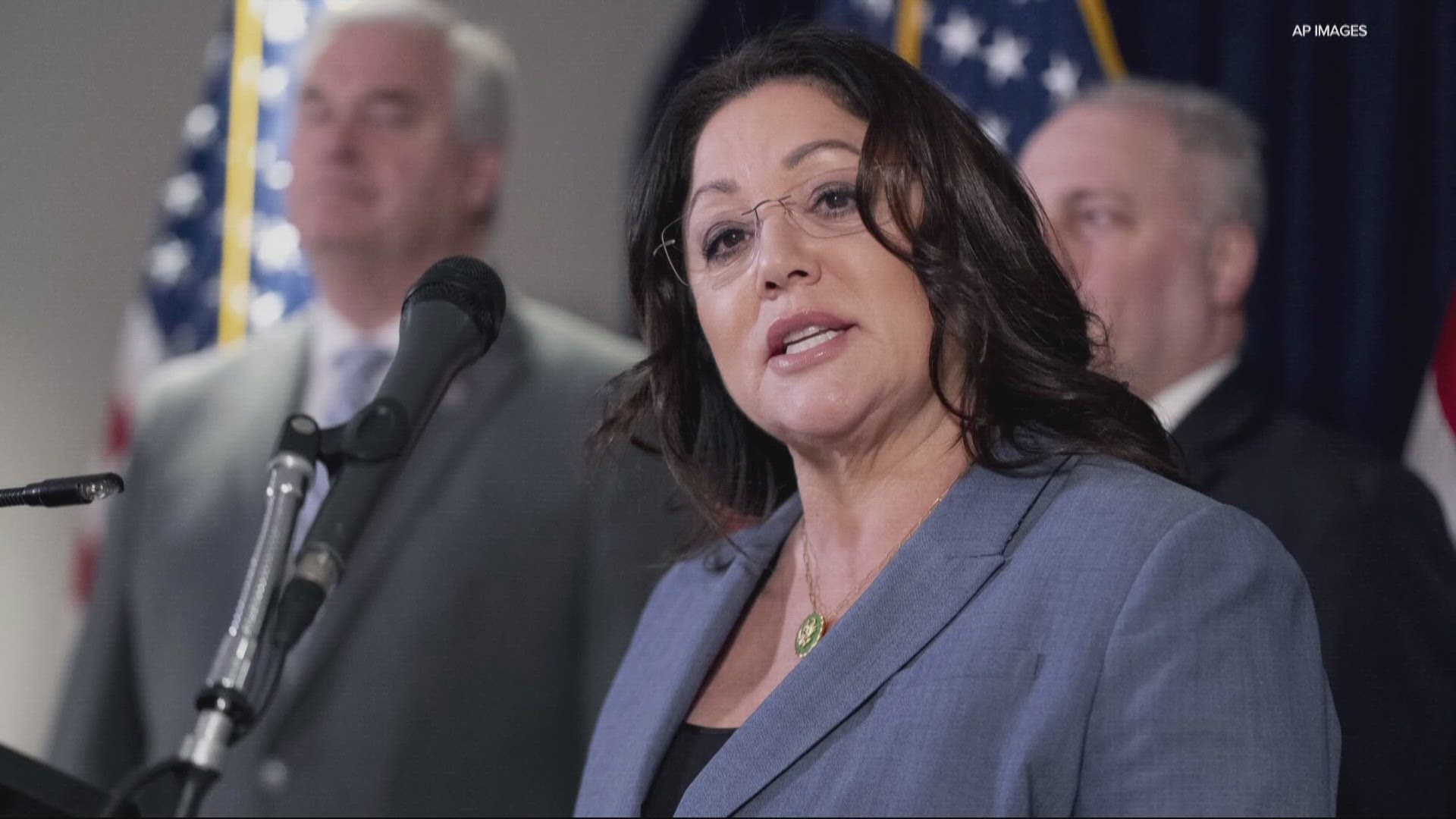
The appointment of Keith Sonderling as Acting U.S. Labor Secretary marks a significant leadership shift within the Department of Labor, following the abrupt resignation of Lori Chavez-DeRemer. The transition comes at a critical moment for U.S. labor policy, as the department navigates ongoing regulatory challenges and workforce developments.
Chavez-DeRemer stepped down on April 20, 2026, amid an active misconduct investigation conducted by the Department of Labor’s Office of Inspector General. Reports indicate that the probe involved allegations related to misuse of government resources, workplace conduct concerns, and inappropriate professional relationships. While the full findings have not yet been publicly disclosed, the mounting pressure surrounding the investigation led to her resignation.
In response, the White House moved quickly to ensure continuity in leadership by appointing Sonderling, who had been serving as Deputy Labor Secretary since 2025. His immediate elevation to Acting Labor Secretary is intended to stabilize departmental operations and maintain policy momentum during a period of uncertainty.
Keith Sonderling brings extensive experience in labor and employment law to the role. Prior to joining the Department of Labor, he served as a commissioner at the Equal Employment Opportunity Commission (EEOC), where he focused on workplace regulations, compliance enforcement, and emerging labor trends. His background positions him as a key figure in shaping labor policies related to wage standards, worker protections, and employer regulations.
From an SEO and policy perspective, this leadership change is likely to influence several high-impact areas, including U.S. labor law reforms, employment regulations, and federal workforce policy. Businesses, investors, and labor organizations are closely monitoring how Sonderling’s leadership style and policy priorities may differ from his predecessor’s approach.
The resignation also reflects broader instability within the administration, as multiple senior officials have departed in recent months. Such turnover can have ripple effects across federal agencies, potentially delaying policy implementation and affecting regulatory consistency.
Looking ahead, one of the key questions is whether Keith Sonderling will be formally nominated for the permanent position or serve only in an interim capacity. His performance in the coming weeks will be closely scrutinized, particularly in how he handles ongoing investigations, internal department morale, and external stakeholder relations.
For now, Sonderling’s appointment ensures that the Department of Labor continues to function without disruption. However, the long-term implications of this transition will depend on both the outcome of the investigation and the administration’s strategic direction on labor and employment issues.
As developments unfold, this leadership change will remain a focal point in discussions around U.S. labor policy, governance stability, and federal oversight.
Watch video below :