

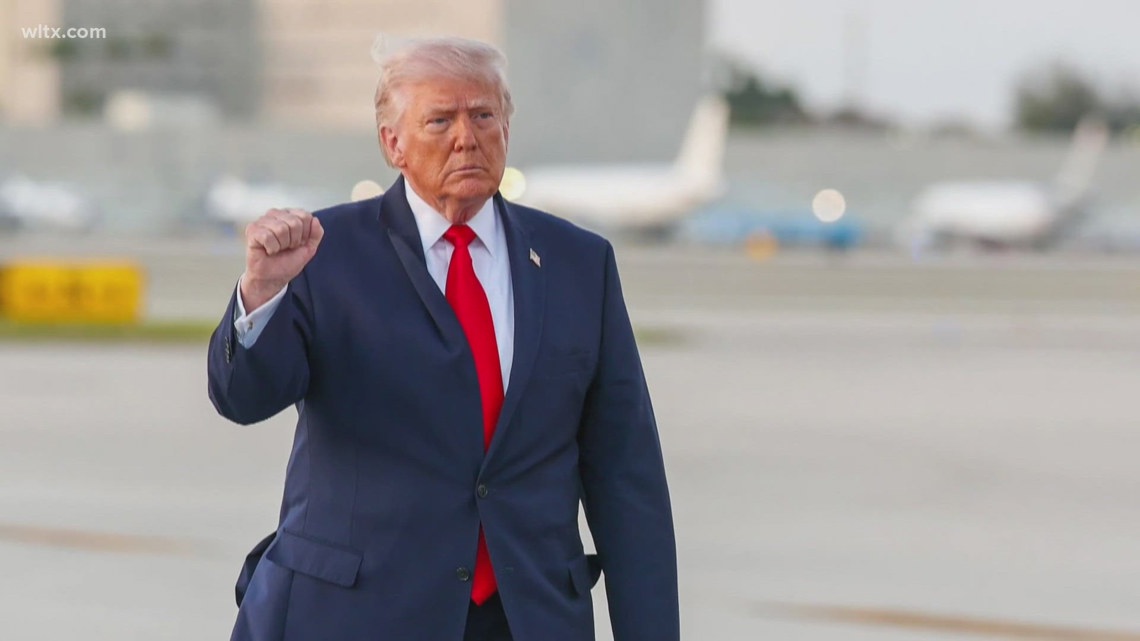
As the temporary ceasefire between the United States and Iran approaches its expiration, tensions are rising sharply, with Donald Trump issuing a direct and urgent warning to Iran: accept the proposed peace terms or risk a significant military escalation.
The current truce, established earlier this month, was designed as a short-term pause to allow diplomatic negotiations. However, progress has been limited, and both sides appear increasingly entrenched in their positions. The United States has put forward a set of demands focused primarily on restricting Iran’s nuclear activities and ensuring the free flow of global trade through critical maritime routes, particularly the strategically vital Strait of Hormuz.
President Trump has made it clear that time is running out. In recent statements, he emphasized that the ceasefire may not be extended if Iran continues to reject U.S. conditions. More notably, he warned that failure to comply could lead to targeted strikes on key Iranian infrastructure, including energy facilities and transportation networks. Such actions, if carried out, would mark a dramatic escalation in an already volatile situation.
From Iran’s perspective, the proposed terms have been described as unrealistic and one-sided. Iranian officials have either refused or delayed participation in further rounds of negotiations, signaling resistance to external pressure. This diplomatic stalemate has heightened concerns among international observers that the ceasefire could collapse entirely once the deadline passes.
Adding to the tension, recent developments in the region have further strained relations. The United States reportedly seized an Iranian-flagged vessel accused of attempting to bypass a naval blockade. Washington framed the action as enforcement of international security measures, while Tehran condemned it as a violation of sovereignty and labeled it an act of aggression. Incidents like this underscore the fragile nature of the ceasefire and the ease with which it could unravel.
The broader implications of this standoff extend far beyond the two nations directly involved. The Strait of Hormuz, a narrow but crucial waterway, handles a significant portion of the world’s oil shipments. Any disruption in this area could trigger sharp increases in global energy prices and destabilize markets worldwide. Countries across Asia, including Vietnam, are closely monitoring the situation due to potential economic ripple effects.
At its core, the current crisis represents a classic case of geopolitical brinkmanship. The United States is leveraging military pressure and economic influence to push for concessions, while Iran is relying on strategic resistance and regional leverage. With neither side showing clear signs of compromise, the coming days will be critical.
If no agreement is reached before the ceasefire expires, the likelihood of renewed conflict becomes increasingly high. For now, the world watches closely, as decisions made in this narrow window could shape regional stability and global security for years to come.
Watch video below :


