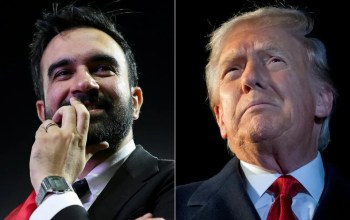
U.S. President Donald Trump recently stated that the Strait of Hormuz is “fully open and ready for business,” following Iran’s announcement that commercial shipping can resume through the critical waterway. While the statement has sparked optimism in financial markets, the real situation on the ground is far more nuanced.
The Strait of Hormuz is one of the most strategically important النفط النقل routes in the world, responsible for transporting nearly 20% of global oil supply. Any disruption in this narrow passage between the Persian Gulf and the Arabian Sea can trigger immediate volatility in global energy markets. That is why Iran’s declaration that the strait is “open” quickly drew international attention.
According to Iranian officials, the reopening applies primarily to commercial vessels, allowing oil tankers and cargo ships to pass through under specific conditions. This move comes amid a temporary de-escalation in regional tensions. Trump’s statement echoed this development, reinforcing a sense of stability and contributing to a noticeable drop in oil prices, as well as gains in global stock markets.
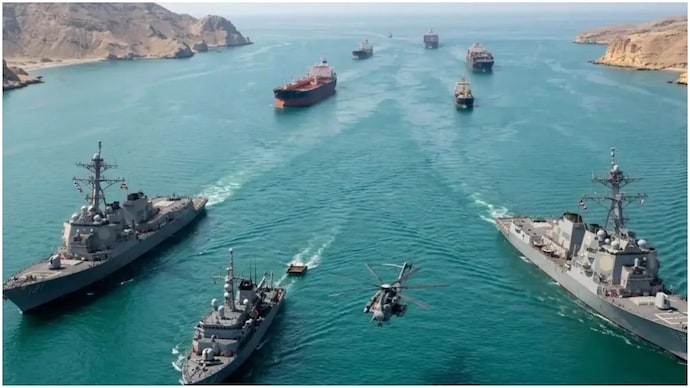
However, industry experts and geopolitical analysts caution against interpreting this as a full return to normal operations. Despite Iran’s announcement, military tensions in the region have not completely subsided. The United States and its allies continue to maintain a strong naval presence in nearby waters, and certain restrictions on maritime movement remain in place.
Shipping companies are also approaching the situation with caution. Many vessels are either delaying transit or rerouting to avoid potential risks. Insurance costs for ships passing through the Strait of Hormuz remain elevated, reflecting ongoing concerns about security and the possibility of sudden escalation.
From a broader perspective, Trump’s statement can be seen as politically optimistic, emphasizing positive developments while downplaying the underlying uncertainties. While the strait may be technically “open,” the operational reality is still influenced by geopolitical dynamics, military oversight, and risk management decisions made by global shipping firms.
For global markets, the reopening signal has had an immediate psychological effect. Oil prices have eased due to expectations of stabilized supply, and investors have responded positively to reduced fears of disruption. However, analysts warn that the situation could change rapidly if tensions flare up again.
In conclusion, while Iran’s move to reopen the Strait of Hormuz is a significant development, it does not guarantee long-term stability. Trump’s statement captures the headline, but not the full complexity of the situation. Businesses, investors, and policymakers should continue to monitor developments closely, as the region remains a key flashpoint in global energy security.
Watch video below :