

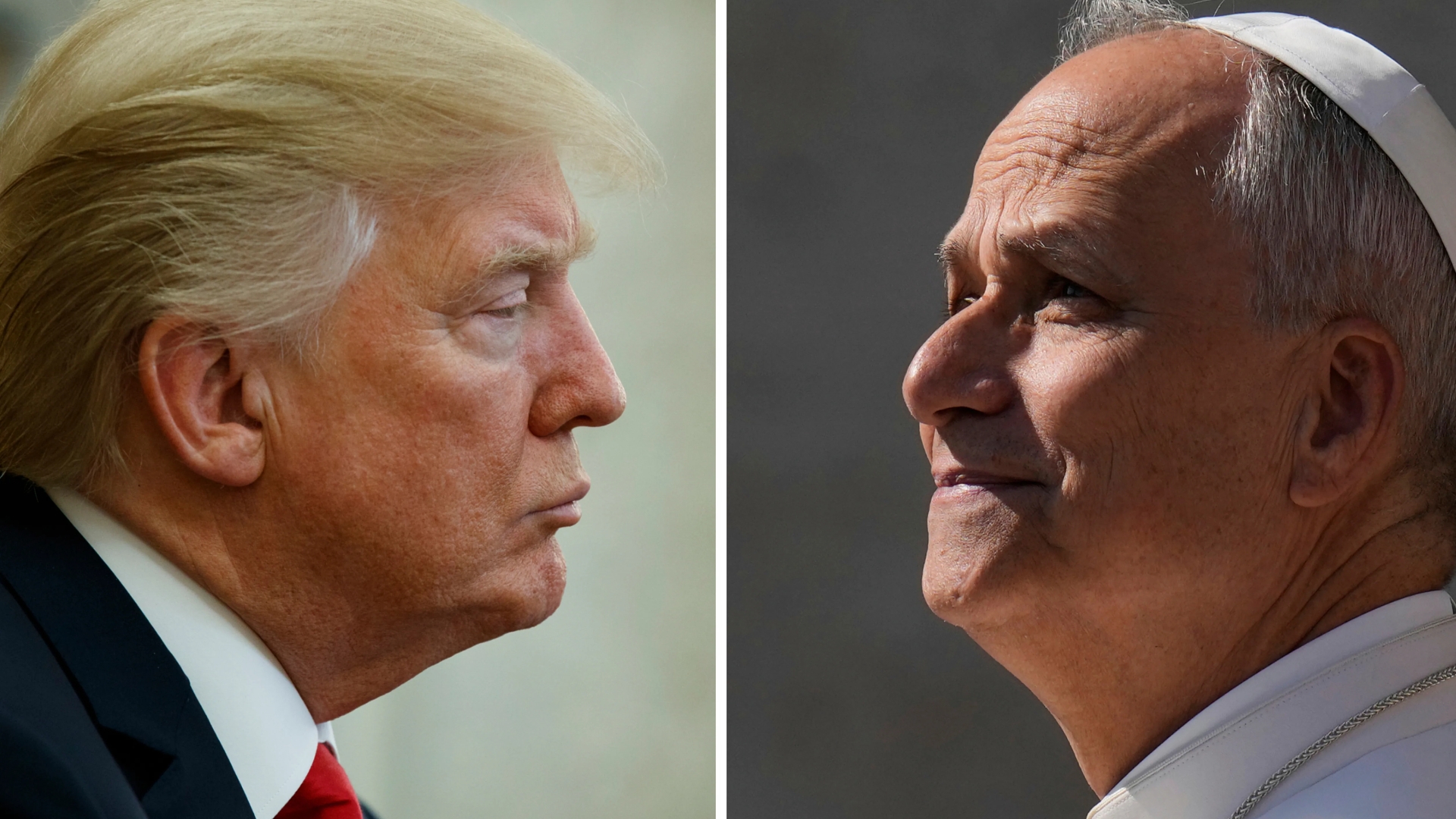
A recent statement by U.S. Vice President JD Vance has stirred significant controversy after he suggested that the Pope should exercise caution when speaking on matters of theology. The remark has quickly ignited debate across political and religious circles, raising questions about authority, faith, and the intersection of religion and politics.
The Statement and Its Context
Speaking to reporters, Vance commented that the Pope “should be careful when speaking about matters of theology,” a remark widely interpreted as a critique of recent public statements made by Pope Leo XIV. Although Vance did not elaborate in detail, his comment appears to reflect broader disagreements over religious interpretation and the role of church leadership in modern political discourse.
The statement comes at a time when global religious figures are increasingly weighing in on geopolitical issues, including conflict, migration, and social policy.
Political Reactions and Public Response
Vance’s comment has drawn mixed reactions:
- Supporters argue that public figures—including religious leaders—should be open to scrutiny, especially when their statements influence political debates.
- Critics, however, see the remark as unusual and potentially controversial, given the Pope’s central role as the spiritual leader of over a billion Catholics worldwide.
Some analysts suggest the statement reflects a growing trend where political leaders are more willing to challenge traditional authorities, including religious institutions.
Religion and Politics: A Sensitive Balance
The exchange highlights the longstanding tension between religious authority and political leadership. The Pope, as head of the global Catholic Church, often addresses moral and ethical issues that intersect with public policy. Meanwhile, elected officials like Vance operate within political systems where such issues are debated and legislated.
This overlap can lead to friction, particularly when interpretations of theology influence positions on:
- Social justice
- Immigration policy
- International conflicts
- Human rights
Broader Implications
While the comment itself was brief, its implications are broader. It underscores how religion remains a powerful force in global discourse, capable of shaping both public opinion and political agendas.
The moment also reflects a changing media environment, where statements from high-profile figures—whether political or religious—can quickly become flashpoints for global debate.
Conclusion
Vice President JD Vance’s remark about the Pope has opened a wider conversation about who holds authority in matters of faith and how that authority interacts with politics. As discussions continue, the incident serves as a reminder of the delicate balance between respecting religious leadership and engaging in open political discourse.
Watch video below :


