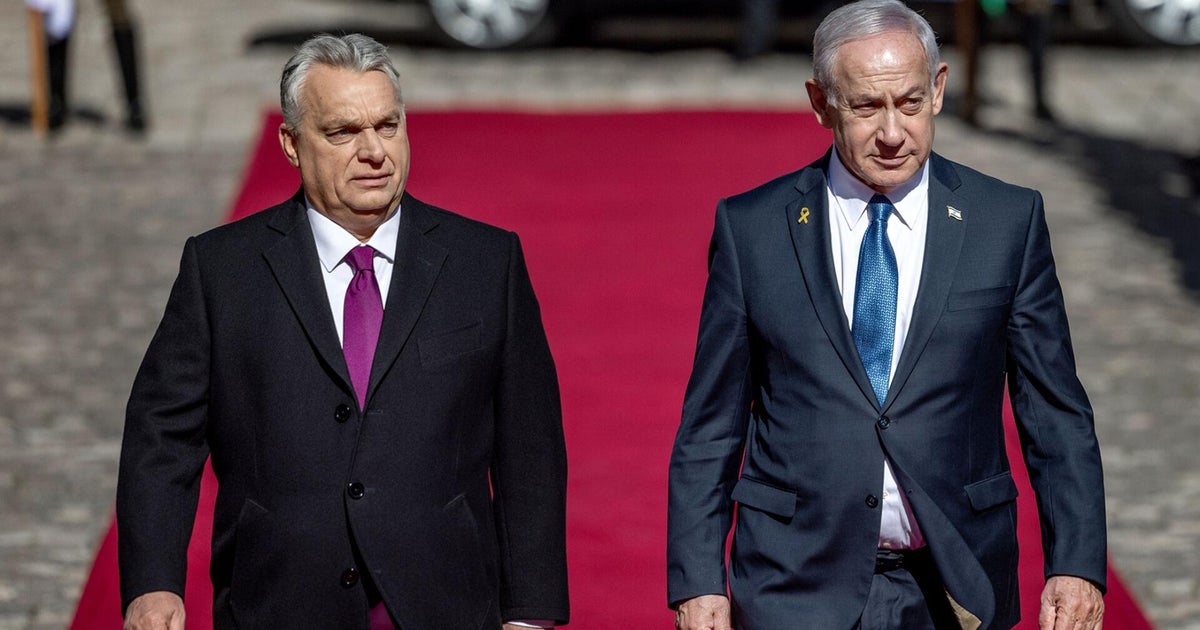
The recent political developments in Hungary and Israel are drawing global attention, as long-standing leaders face mounting challenges. The defeat of Viktor Orbán marks a historic turning point in European politics, while Benjamin Netanyahu enters an increasingly difficult campaign season.
Orbán’s Defeat Ends a Political Era
After more than 16 years in power, Viktor Orbán has lost reelection in Hungary, signaling a dramatic shift in voter sentiment. His tenure, often associated with nationalist policies and centralized governance, had made him one of Europe’s most influential and controversial leaders.
The opposition, led by Péter Magyar, secured a decisive victory. This outcome reflects growing dissatisfaction among Hungarian voters, particularly regarding economic challenges such as inflation, cost of living, and stagnating growth. Additionally, concerns over democratic institutions, media freedom, and relations with the European Union played a crucial role in shaping public opinion.
Young voters and urban populations were especially instrumental in driving turnout, demonstrating a strong desire for political change and closer alignment with European democratic standards. Orbán’s defeat is not just a domestic event—it represents a broader shift in European politics, where entrenched leadership is increasingly being challenged.
Netanyahu Faces a Tough Political Landscape
While Benjamin Netanyahu has not lost power, he is entering a highly competitive and uncertain electoral environment in Israel. Known for his long-standing dominance in Israeli politics, Netanyahu now faces intensified opposition and growing public scrutiny.
Several factors contribute to the challenging landscape. Political divisions within Israel have deepened, and ongoing controversies have weakened public confidence. Economic concerns and national security issues also remain central to voter priorities, making the upcoming election highly unpredictable.
Analysts suggest that Orbán’s defeat could serve as a warning sign for other long-serving leaders. Although the political systems of Hungary and Israel differ significantly, both leaders share similarities in terms of longevity and strong personal influence over national politics.
Global Political Implications
The developments in Hungary and Israel highlight an important global trend: voters are increasingly willing to challenge established political figures. The Hungarian election demonstrates that even deeply entrenched leaders can be removed through democratic processes.
This shift may influence political strategies worldwide, particularly among leaders who rely on long-term incumbency and centralized authority. It also underscores the growing importance of economic performance, governance transparency, and public trust in modern elections.
Conclusion
The defeat of Viktor Orbán and the mounting pressure on Benjamin Netanyahu illustrate a changing political landscape. As voters demand accountability and reform, long-standing leaders are no longer guaranteed electoral success. These events will likely have lasting implications not only for Hungary and Israel but also for global political dynamics in the years ahead.
Watch video below :