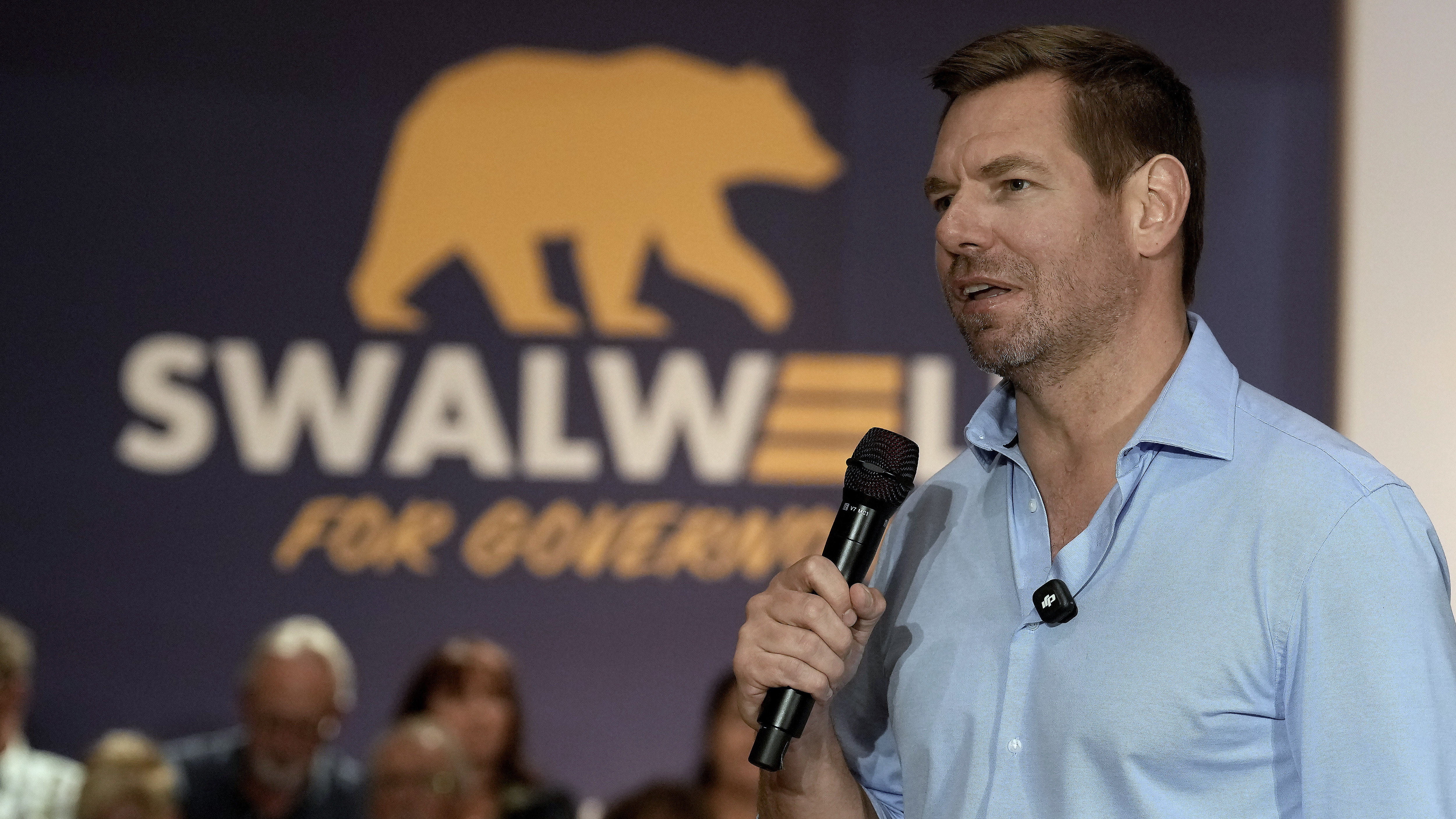
A U.S. congressman has publicly denied sexual assault allegations, pushing back strongly against claims that have sparked widespread political attention and media scrutiny. The accusations, which recently surfaced, have added to an already tense political climate and raised questions about accountability and due process in public office.
In an official statement, the lawmaker rejected the allegations, describing them as “completely false” and “politically motivated.” He emphasized that he has never engaged in any form of misconduct and expressed confidence that the truth would ultimately prevail. The denial comes as calls grow for further clarification and, in some quarters, formal investigation.
While the identity of the accuser and specific details of the allegations have not been fully disclosed publicly, the situation has quickly gained traction across major media platforms. Political opponents have urged transparency, while some allies have cautioned against rushing to judgment without verified evidence.
Cases involving public officials and serious accusations such as sexual assault often become highly polarized. Supporters may frame the claims as attempts to damage reputations, while critics stress the importance of taking all allegations seriously and ensuring they are thoroughly investigated. This dynamic underscores the broader national conversation about misconduct, accountability, and the standards expected of elected leaders.
Legal experts note that allegations alone do not constitute proof, and any potential case would require a formal process, including evidence review and, if applicable, judicial proceedings. At the same time, advocacy groups emphasize that such claims should be handled with sensitivity, ensuring that individuals who come forward are heard and protected.
The congressman’s response signals an intention to contest the accusations vigorously. It remains unclear whether the matter will escalate into a formal legal investigation or ethics review. The United States Congress has internal mechanisms for addressing misconduct allegations, including inquiries by ethics committees when warranted.
As the story develops, it is likely to remain in the public spotlight, reflecting ongoing debates about political integrity and the handling of serious accusations in positions of power. For now, the situation remains unresolved, with both sides presenting sharply contrasting narratives.
In summary, the congressman has categorically denied the sexual assault allegations, setting the stage for what could become a complex and closely watched case. Further developments will depend on whether additional evidence emerges and whether formal proceedings are initiated.
Watch video below :