Donald Trump has sharply criticized Iran, accusing Tehran of doing a “very poor job” of allowing oil shipments to pass through the strategically vital Strait of Hormuz. His remarks come amid renewed geopolitical tensions and growing concerns about disruptions to global energy supply chains.
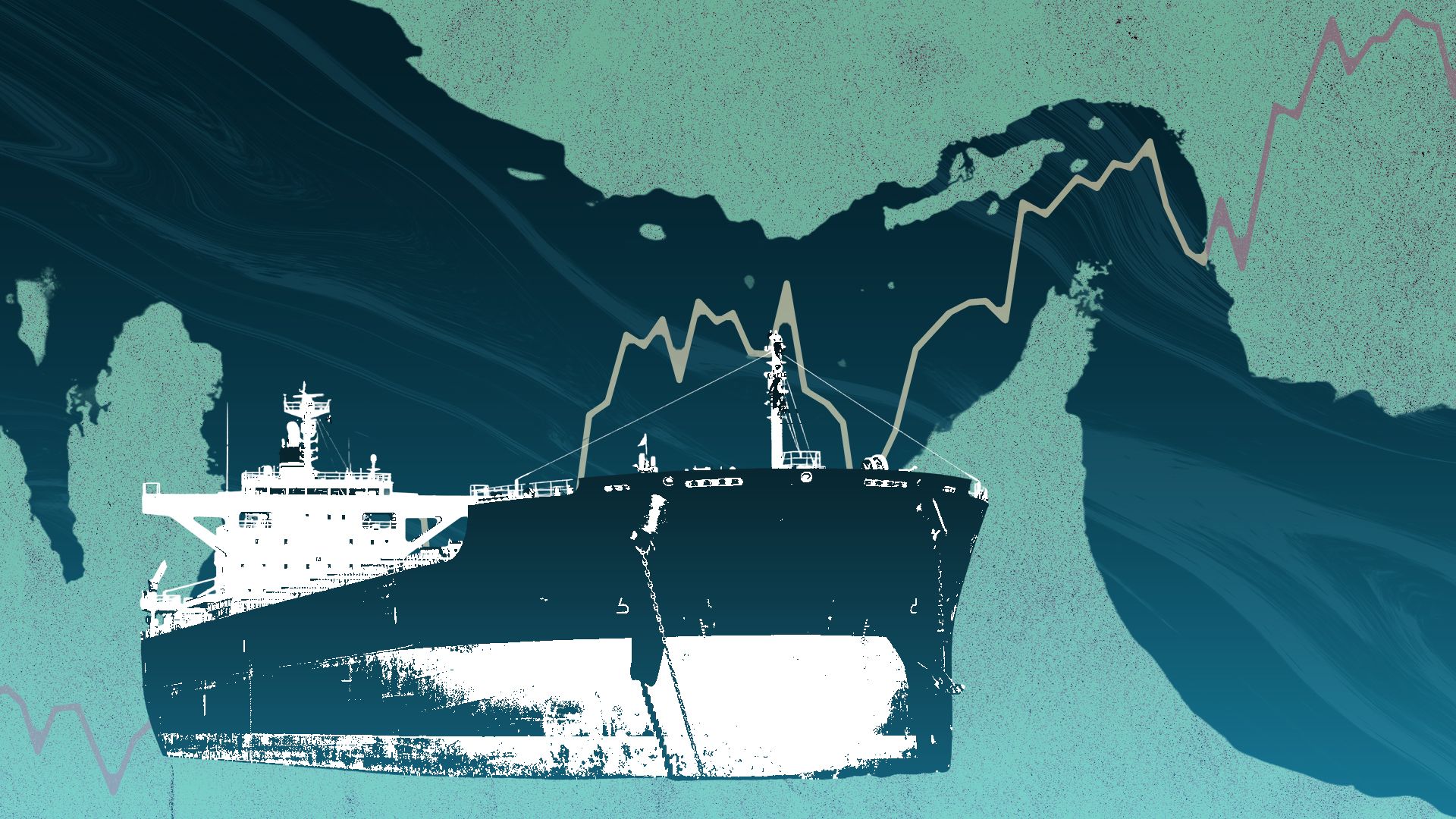
In a public statement, Trump argued that Iran’s current handling of maritime traffic through the narrow waterway does not align with prior understandings aimed at maintaining stability in international oil markets. The Strait of Hormuz is considered one of the world’s most critical energy corridors, with roughly one-fifth of global oil consumption passing through the route connecting the Persian Gulf to international markets.
Recent reports indicate that shipping volumes through the strait have remained significantly below normal levels, with only a limited number of vessels permitted to transit daily. Analysts warn that any restrictions or uncertainty surrounding navigation could contribute to volatility in oil prices and increase pressure on economies dependent on stable energy supplies.
Trump also warned Iran against imposing transit fees or tolls on vessels moving through the waterway, suggesting that such measures could further escalate tensions. The possibility of additional costs on oil shipments has raised alarm among energy markets and international shipping operators, many of whom rely heavily on uninterrupted passage through the region.
The situation has been further complicated by broader regional instability, including ongoing military developments involving Israel and its regional security operations. Experts note that overlapping geopolitical issues often amplify risks in critical trade routes, particularly when diplomatic negotiations remain fragile or incomplete.
Energy analysts emphasize that disruptions in the Strait of Hormuz can have immediate global consequences, influencing crude oil prices, shipping insurance costs, and supply chain stability. Because a substantial portion of the world’s petroleum exports pass through the corridor, even temporary limitations can trigger market uncertainty and increase economic pressure on importing nations.
While diplomatic contacts between Washington and Tehran are reportedly ongoing, observers caution that restoring confidence in maritime security may require clear agreements and sustained international cooperation. The uncertainty surrounding the strait highlights the continued importance of geopolitical stability for maintaining predictable energy markets and global trade flows.
As negotiations continue, global markets remain sensitive to developments affecting the Strait of Hormuz, underscoring the strategic significance of the region in shaping economic and political dynamics worldwide. Trump’s latest remarks signal that the issue will remain a key focus in discussions about energy security and international diplomacy in the months ahead.
Watch video below :