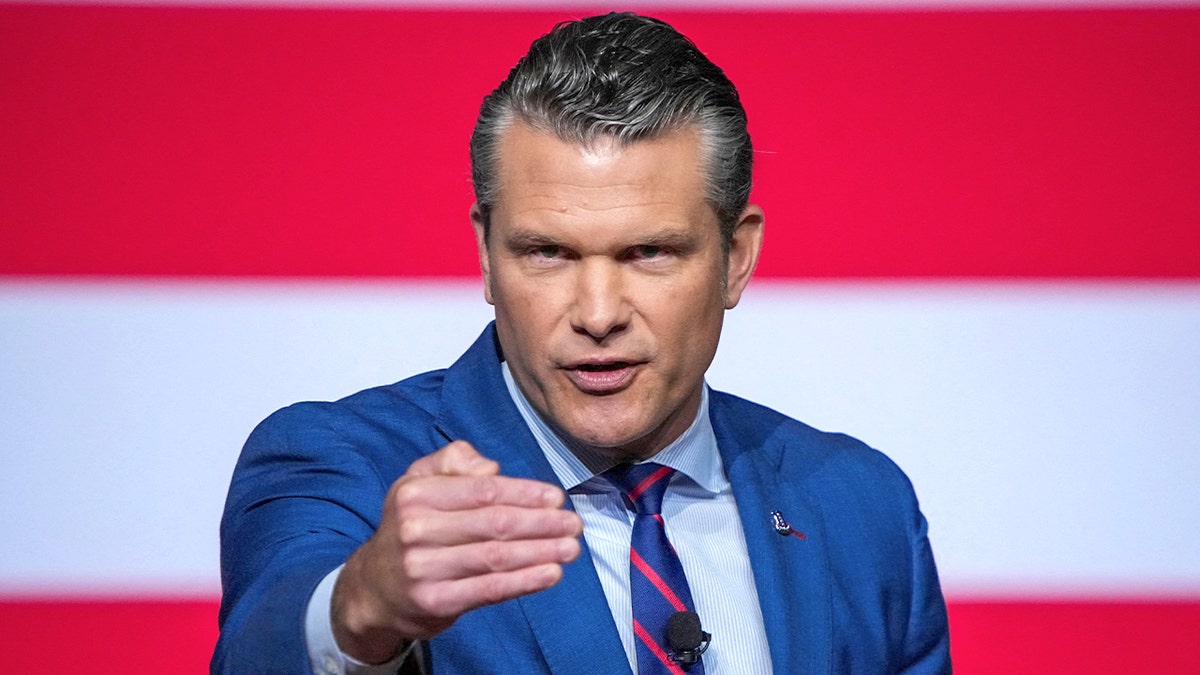
U.S. Defense Secretary Pete Hegseth has weighed in on the readiness and capabilities of the American military following widespread backlash over statements suggesting the United States could devastate “a whole civilization” if conflict with Iran escalated further. The remarks surfaced during a tense period in the Iran war, shortly before a temporary ceasefire agreement was reached between Washington and Tehran.
According to officials, Hegseth defended the strength of U.S. military capabilities, stating that the Pentagon had identified numerous strategic targets that could significantly weaken Iran’s military infrastructure if negotiations collapsed. He emphasized that the U.S. maintains advanced operational readiness and the ability to strike key facilities linked to military production, energy supply, and logistics networks.
Controversial Rhetoric Raises Global Concerns
The controversy intensified after President Donald Trump warned that severe consequences could follow if Iran refused to meet U.S. demands related to regional security and the Strait of Hormuz. Critics argued that references to destroying an entire civilization raised serious legal and ethical concerns under international humanitarian law, which prohibits indiscriminate attacks on civilian populations and infrastructure.
Legal experts and former military officials warned that targeting civilian infrastructure such as power plants and bridges could potentially violate international law depending on how such targets are defined and whether they provide direct military advantage. Analysts note that modern conflicts increasingly involve dual-use infrastructure, complicating decisions about lawful military objectives.
Pentagon Position on Military Objectives
Hegseth stated that U.S. forces had prepared contingency plans involving strategic assets if diplomatic negotiations failed. According to reports, he argued that Iran was aware of the scale of potential military response, suggesting that deterrence played a key role in bringing both sides to the negotiating table.
The Pentagon has also highlighted the complexity of modern warfare, where economic infrastructure such as oil facilities, transportation routes, and communications systems may serve both civilian and military functions. Supporters of the administration argue that demonstrating military capability can strengthen diplomatic leverage and accelerate ceasefire agreements.
Political and International Reaction
The remarks triggered strong reactions from lawmakers and international observers. Some U.S. politicians called for investigations into whether such rhetoric could increase risks for American service members or undermine global alliances. Others argued the statements were intended as negotiating tactics rather than literal policy intentions.
Meanwhile, foreign policy analysts note that public discussion of extreme military scenarios often increases geopolitical uncertainty and can influence global markets, particularly energy prices tied to Middle East stability.
Outlook for U.S.–Iran Relations
Although the ceasefire has temporarily reduced immediate tensions, uncertainty remains about whether diplomatic negotiations will produce a long-term agreement addressing nuclear development, missile programs, and regional security concerns.
Hegseth’s comments underscore the broader strategic debate surrounding deterrence, military readiness, and the role of rhetoric in high-stakes geopolitical negotiations. As talks continue, policymakers face ongoing pressure to balance national security priorities with international legal norms and diplomatic stability.
Watch video below :